
Last updated November 14, 2026
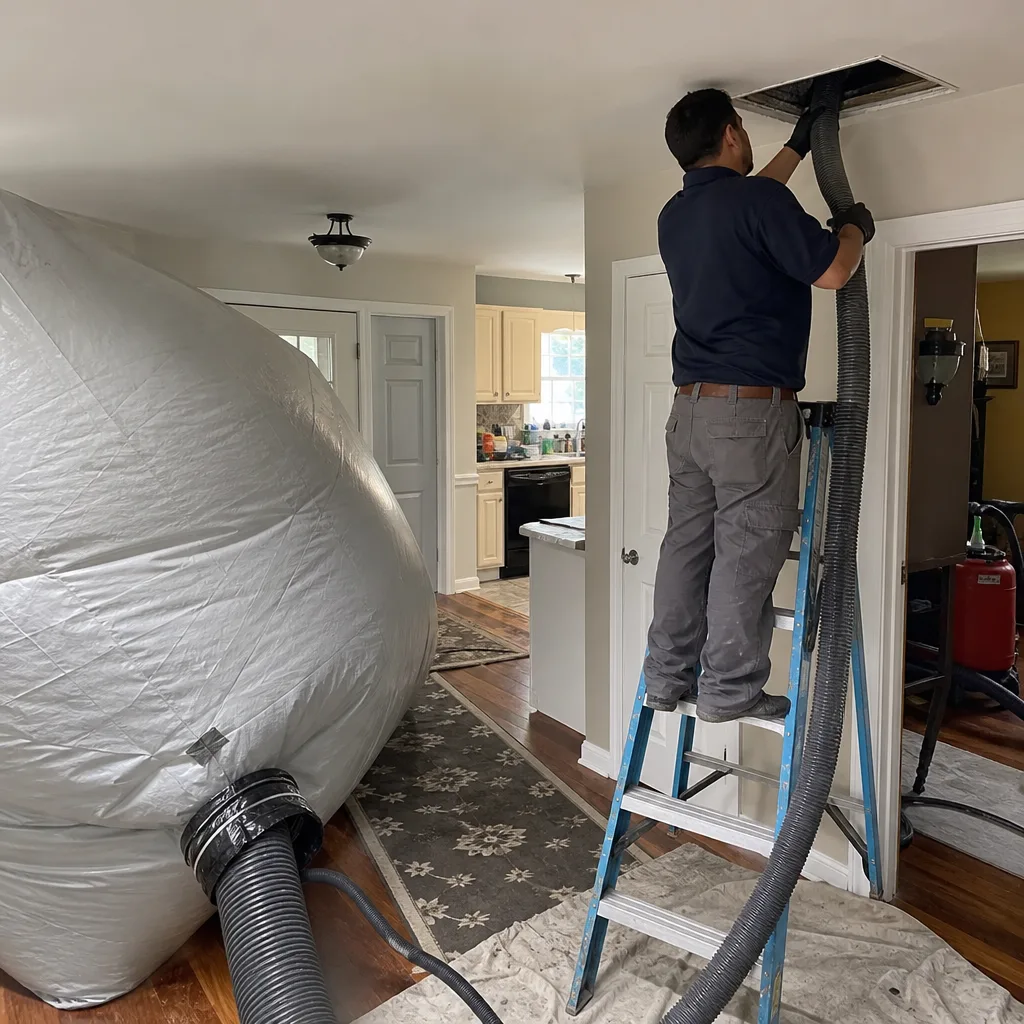
 Whole-home duct cleaning
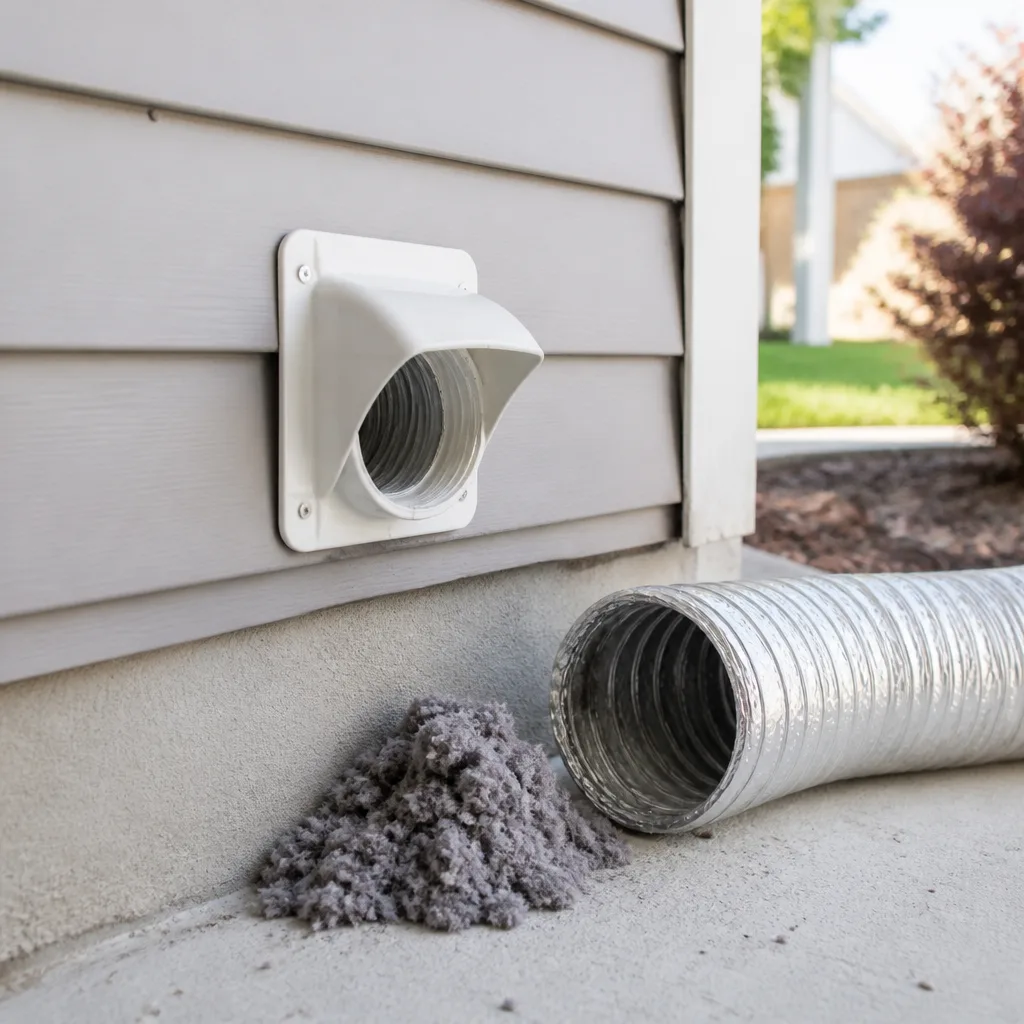 Dryer vent cleaning
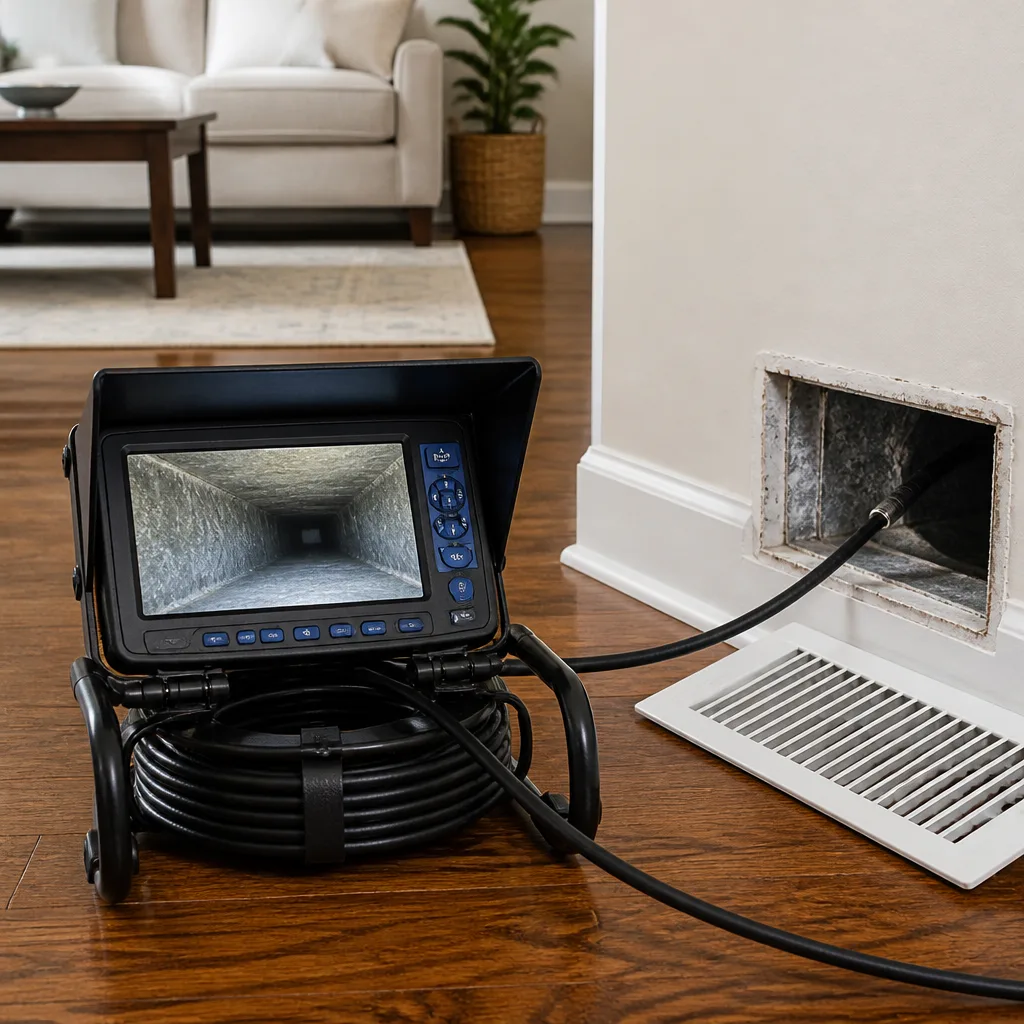 Camera inspection
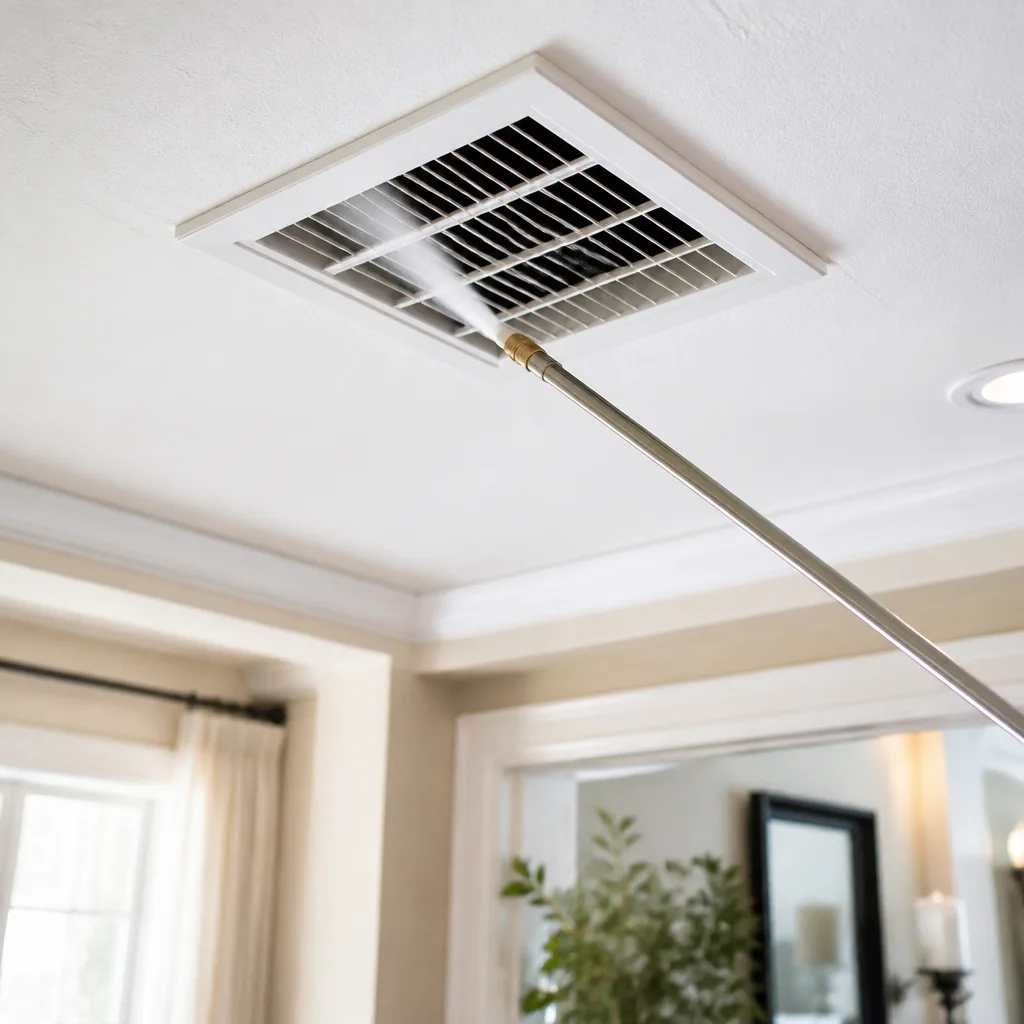 Sanitizing & deodorizing
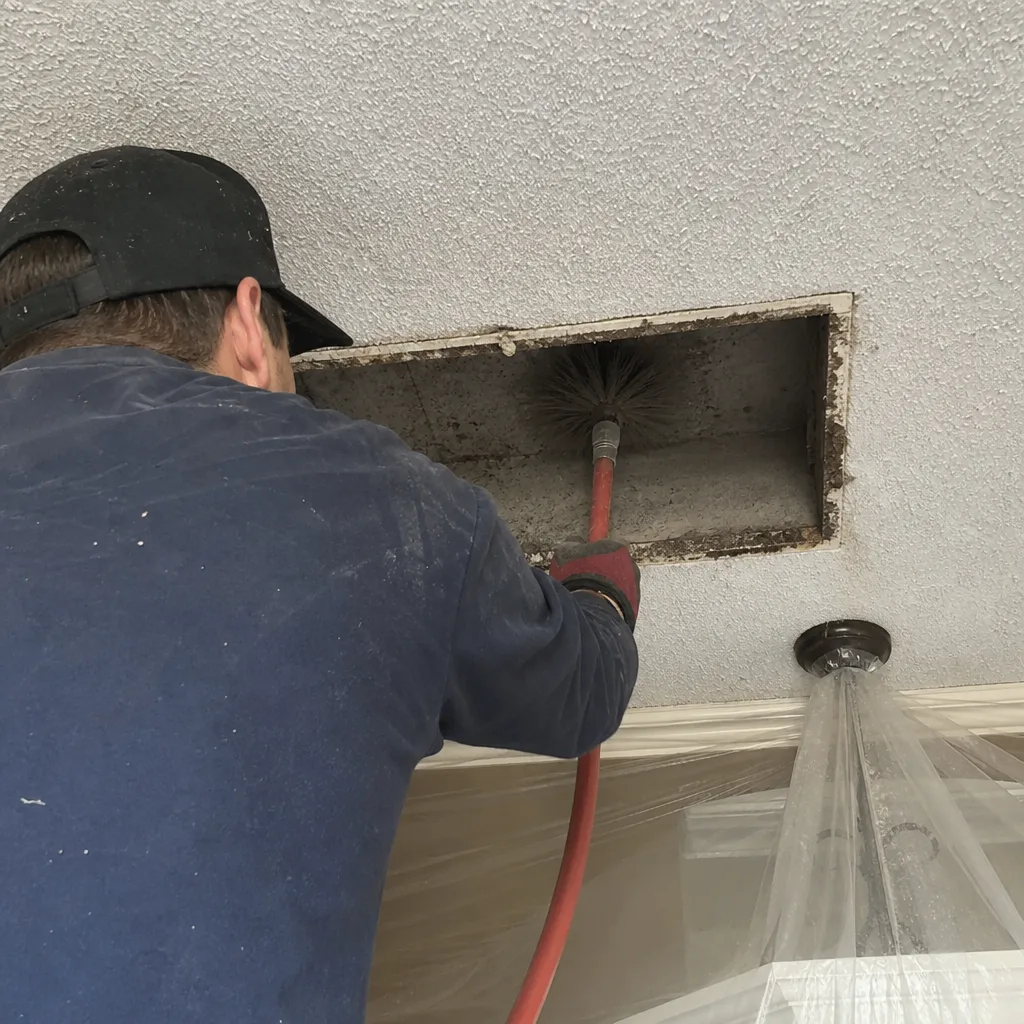
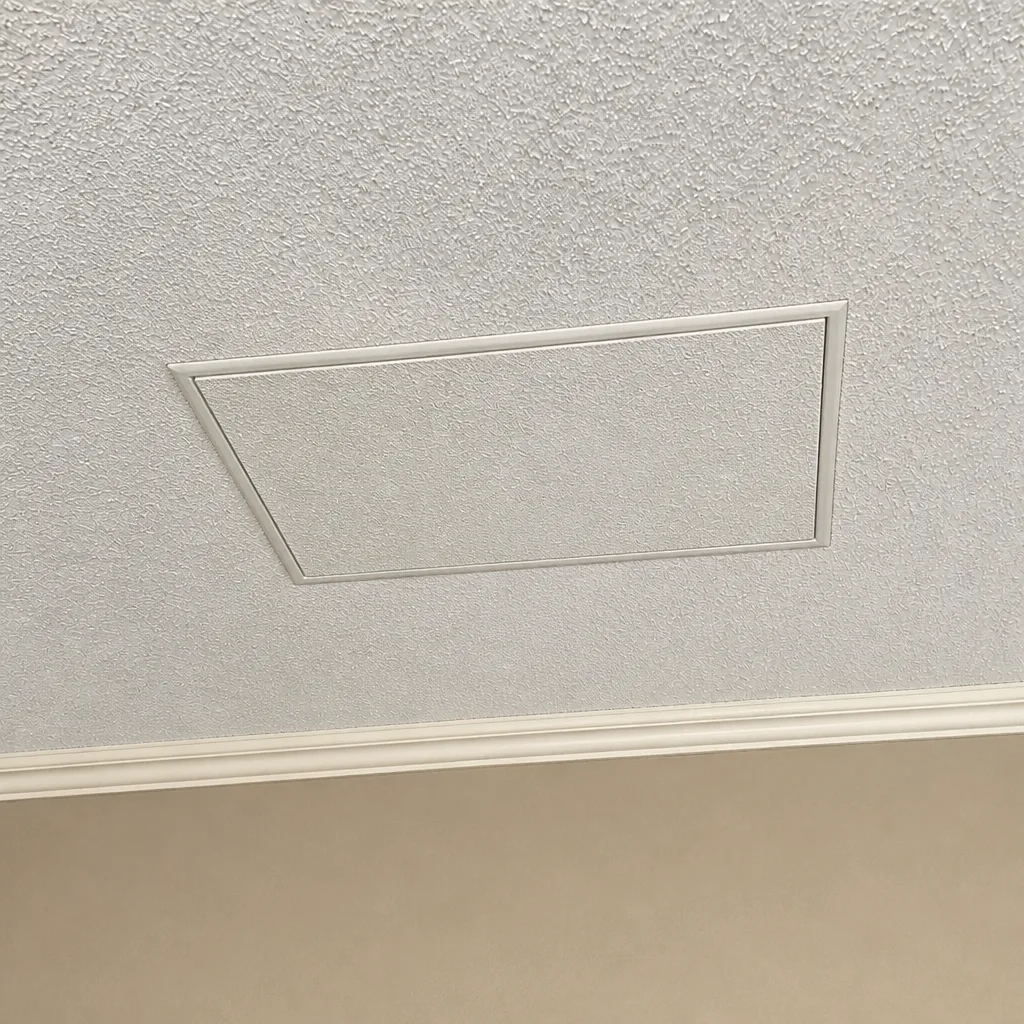
Whole-system duct and dryer vent check with before-and-after photos - you see exactly what came out of your vents
That "$99 whole-house special" is a bait ad - the real number appears once they are in your hallway, or the "clean" is a shop-vac at the register. We photograph the inside of your ducts before and after instead.
Air Duct Cleaning Emergency Preparedness Guide for Concord Homes
After a water intrusion event – a roof leak, flooding, or even a burst pipe near a return plenum – you have roughly 24 to 48 hours before mold colonization in a flex duct system becomes a remediation problem rather than a cleaning problem. Most homeowners spend that window calling their insurance company, not their duct specialist. Meanwhile, the ducts sit wet, dark and warm, which is exactly what mold needs to establish itself inside the liner where no flashlight will find it. This guide walks through the duct emergencies Concord homes actually face after hurricanes, ice storms, kitchen fires and renovation projects, and gives you a step-by-step protocol for each. We’ll also cover the single most valuable preparation step: a borescope inspection on file before anything happens.
Quick Answer
Duct emergencies in Concord fall into four buckets: water intrusion from storms and leaks, smoke and soot from house fires, construction dust from renovations, and sudden system failures that push debris through the whole house. The response differs for each, but the first 24 to 48 hours matter most. If ductwork got wet, document it, stop running the system, and get an assessment before mold turns a cleaning job into a remediation job. Pre-disaster documentation, especially a borescope inspection with photos on file, is what protects an insurance claim after the fact.
Styles & brands we work with
- Whole-home duct cleaning
- Dryer vent cleaning
- Camera inspection
- Sanitizing & deodorizing
Table of Contents
- What to do in the first 24-48 hours after water gets into your ducts
- Storm and flooding protocol specific to Concord’s weather patterns
- Fire and smoke damage: why clean-looking ducts are the dangerous ones
- Construction dust emergencies during a renovation
- How to document duct damage for an insurance claim
- Pre-emergency preparation: the borescope file that protects you
- When to call a professional (and when not to)
- Frequently asked questions
What to Do in the First 24-48 Hours After Water Gets Into Your Ducts
Stop running the system. That’s the first rule and the one most homeowners skip, because the air conditioner or furnace feels like the thing that will dry the house out. It won’t. A running system pulls humid air through every wet duct segment and spreads moisture into parts of the system that were dry. Turn the thermostat to off at the equipment, not just at the wall panel if you can get to it safely. From there, the clock is running.
The 24-to-48-hour figure isn’t a scare tactic. Mold needs moisture, a food source (dust and organic debris lining the duct is a food source) and warmth. A wet flex duct in a Concord attic in August checks all three boxes within a day. After that, the conversation with a contractor changes from “clean this” to “assess and contain this,” which is a different scope of work with a different price range and different insurance implications. Air duct cleaning removes debris from a dry system; it doesn’t fix a colonized one.
Here’s the immediate response sequence:
- Shut off the HVAC system at the thermostat and, if accessible, at the breaker that feeds the air handler.
- Photograph everything – standing water, water lines on duct insulation, damp insulation, the ceiling stain, the source of the leak. Timestamp your photos by taking them with your phone’s camera rather than a screenshot.
- Call your insurer to open a claim, and tell them you need the duct system assessed, not just the visible water removed.
- Do not run fans or a portable dehumidifier pointed at the ducts to “dry them out.” Surface drying of duct insulation can leave the liner wet underneath.
- Schedule a duct assessment with someone who has a borescope and commercial containment equipment, not just a shop vac.
For homes in older Concord neighborhoods where ductwork runs through unconditioned attic or crawlspace, the exposure question is different from homes with ducts in conditioned space. We’ll get to that next.
Storm and Flooding Protocol Specific to Concord’s Weather Patterns
Concord gets its share of hurricane remnants, ice storms and severe thunderstorms that bring water into places the house wasn’t designed to shed it. A common pattern we see is water entering through a compromised roof boot or flashing and traveling along a duct run in the attic before showing up as a ceiling stain on the floor below. By the time you see the stain, the duct may have been wet for days.
The critical distinction after any storm or flooding event: was the ductwork actually wetted, or was it just exposed to high humidity? These are not the same problem and they don’t call for the same response.
- Actually wetted means visible water, wet insulation, a water line on the duct jacket, or dampness you can feel with a bare hand on the duct surface. This needs a professional assessment.
- Humidity exposure means the space got muggy but the ducts show no sign of moisture. This may only need a cleaning and a return to normal operation once the house is dried out.
- Flex duct with a compromised inner liner should be treated as wetted until proven otherwise. The liner traps moisture against the insulation.
- Sheet metal duct that got splashed may only need cleaning and drying; sheet metal that sat in standing water needs the same assessment as flex.
- Crawlspace ductwork after a storm is the hardest to evaluate, because a homeowner can’t safely or practically crawl under the house to look. That’s a professional call.
If a roof leak dripped onto a duct run, that duct is wetted even if the water didn’t pool. Insulation absorbs the drip, holds it, and the inside of the duct stays humid long after the drip stops. This is exactly the situation where a borescope inspection earns its keep. For anyone managing this on a rental property, it’s also the situation where documentation matters for liability.
If your system has a whole-home air quality component from Honeywell or Aprilaire, the filter and any inline media should be inspected after a water event too. Those components can hold moisture and become a source rather than a filter.
Fire and Smoke Damage: Why Clean-Looking Ducts Are the Dangerous Ones
A kitchen fire that gets put out quickly can leave the ducts looking perfectly fine from the register. No visible soot on the grille, no obvious smell in the room. And then the system runs for the first time, and the house smells like a campfire for weeks. The reason is that soot deposits settle inside the flex duct liner, on the interior surface, where you can’t see them without a camera. It’s invisible until the system runs and mobilizes it through every room in the house.
The same pattern shows up after any fire involving smoke that circulated through the return side before the system was shut down. And it can be worse than it sounds. Soot that has bonded to the interior of a flex duct doesn’t just create odor. It becomes airborne particulate every time the blower runs. For a household with asthma, allergies or young kids, that’s a real exposure issue, not an inconvenience.
What to do after a fire, in order:
- Keep the HVAC off until the interior of the duct system has been inspected. Don’t run it “to see if it clears.”
- Get a written interior inspection with photos from a borescope. Soot on the duct wall needs to be documented, not just smelled.
- Ask for containment. A fire-affected duct system needs negative-pressure containment during cleaning so soot isn’t pushed into the living space while it’s being removed. This is what equipment like Abatement Technologies containment gear is for.
- Coordinate with your adjuster so duct cleaning is part of the claim, not an out-of-pocket afterthought.
In our experience, duct cleaning after a fire is the service most often skipped in the restoration process, because the visible damage gets handled and the ducts get overlooked. The smoke smell that lingers months later is usually the ducts. A kitchen fire in Concord that got cleaned up and repainted still needs the duct system addressed, or the smell will come back every time the heat comes on.
Construction Dust Emergencies During a Renovation
A renovation in progress with the HVAC running is a duct emergency in slow motion. Drywall dust is fine enough to pass through most furnace filters, and once it’s inside the duct system it settles on every horizontal run and coats the blower wheel. Insulation fibers from a blown-in or batt installation are worse, because they can lodge in the liner and get pushed into the living space for months. The problem is, nobody notices until the drywall dust shows up as a fine white film on every surface in the house, a week after the sander left.
If you have a renovation running and the ducts are open or the system is on, here’s the immediate containment response:
- Turn the HVAC system off while the heavy-dust work is happening (sanding, drywall, demo, insulation). Run it between phases, not during them.
- Seal every register and return in the work area with painter’s tape and plastic film. Sealing registers is temporary and doesn’t replace a proper cleaning, but it stops the worst of the intrusion.
- Keep the return air path in the work zone blocked off so dust isn’t pulled into the system.
- Change the filter more often during the project than you normally would, and use the highest MERV rating your system is rated for, not a higher one – over-restrictive filtration can strain the blower.
- Call for a professional cleaning at the end of the project, not the middle. Cleaning a duct system while dust is still being generated wastes the work.
There’s a related hazard worth naming: if the renovation involves a dryer vent relocation or a new dryer install, the vent ducting needs to be short, smooth and properly supported. Crushed or corrugated venting behind a new dryer is one of the most common causes of vent fires we see. That’s separate work from the air duct system, and it’s worth doing right the first time.
How to Document Duct Damage for an Insurance Claim
Adjusters handle water damage claims all day. They don’t usually handle duct damage claims, because most homeowners never document what happened inside the ducts. What an adjuster needs to approve a duct cleaning or remediation is not a photo of a ceiling stain. It’s evidence that the duct system itself was affected, in a form they can put in a file and defend.
Here’s the documentation that actually moves a claim:
- Timestamped photos of the source – the leak, the water line, the wet insulation, the standing water in the crawlspace. Phone-camera timestamps, not a screenshot with a manually typed date.
- A borescope photo of the interior of at least one affected duct run, showing the condition before cleaning. This is the piece that most claims are missing.
- A written technician assessment naming the affected runs, whether the ducting is flex or sheet metal, and whether the assessment found moisture, debris or biological growth.
- A scope-of-work document from the contractor describing what will be cleaned, what will be repaired and what will be replaced. Adjusters respond to a scope, not a price.
- A dated record of when the HVAC was shut off, if you have it. This supports the argument that the homeowner acted promptly.
The thing adjusters never think to ask for, and homeowners almost never provide, is the pre-damage condition of the duct system. Without a baseline, an adjuster can’t tell whether the debris in the ducts is from the event or from normal use over the previous years. That’s the gap a pre-emergency borescope inspection fills, and it’s the reason the next section matters more than anything else in this guide.
Pre-Emergency Preparation: The Borescope File That Protects You
The single most valuable thing a Concord homeowner can do before a disaster is have a borescope inspection on file with photos of the interior of the duct system, dated, before anything happens. It takes less time than a routine service appointment. It produces a small folder of photographs that, after a storm or fire, turns a contested claim into a straightforward one.
The logic is simple. After a water event, an adjuster has to decide how much duct work to cover. With no pre-event photos, the conservative adjuster covers the bare minimum – clean out the visible water and move on. With pre-event photos showing a clean, dry duct system on a specific date, the adjuster sees exactly what the event did and what it didn’t. The claim gets approved faster, and the scope is closer to what the ducts actually need. That’s the difference between a documented system and an undocumented one.
What the pre-emergency file should contain:
- Borescope photos of each major trunk and a representative branch from the supply and return sides, with dates.
- A written note of the duct type (flex, sheet metal, or a mix) and the general condition at inspection.
- A photo of the air handler and filter setup, so you have a baseline for the equipment.
- A photo of the dryer vent termination if you have one, and the date the vent was last cleaned. This matters for a separate fire claim.
- Your insurer’s claims contact written down somewhere you’ll find it, ideally off your phone.
While you’re doing this, it’s a good moment to schedule a cleaning if the ducts are overdue. A clean system is easier to baselined, and the duct cleaning visit can include the borescope inspection so you walk away with both. We do the same prep work for property managers who need documentation on file across multiple units. The same principle applies: the file protects the property and the owner.
When to Call a Professional
Some duct problems are a cleaning. Others are an emergency that needs a trained response. Call a professional immediately when any of these are true: ductwork was visibly wetted after a storm, leak or flood; a fire affected the interior of the system; a renovation introduced drywall dust or insulation fibers into a running system; a return plenum shows moisture; or you’ve noticed a persistent smoky or musty smell that comes back every time the system runs. In each case the first step is documentation and assessment, not a phone call to a generalist HVAC contractor, because most of them will arrive with a shop vac and a fan.
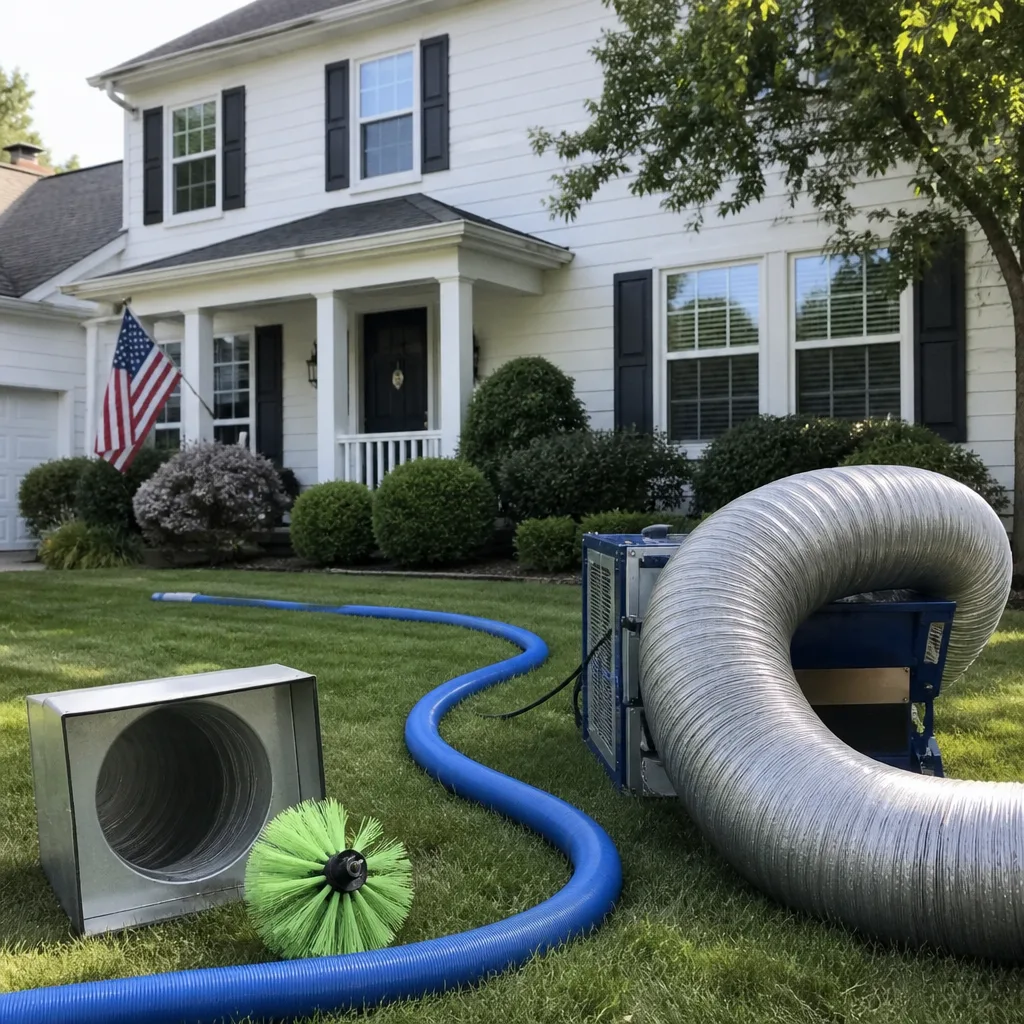
We bring commercial-grade equipment to every call: Rotobrush rotary brush and Nikro vacuum systems built for duct work, and Abatement Technologies containment gear for the jobs that need it. That matters in an emergency, because the difference between a recovery and a remediation is usually equipment. For a documented assessment, a cleaning and a written scope, call (888) 687-3361. We answer 24/7, and fast dispatch runs from 7am to 7pm, Sunday through Friday. If your call comes outside those dispatch hours, we’ll book you into the next opening. Estimates are free, and the price is set per job by the written estimate before any work begins.
Frequently Asked Questions
Within 24 to 48 hours if the ductwork was actually wetted. After that window, mold has had time to establish inside the liner, which turns a cleaning into a remediation scope. If the ducts are still dry and only the house got humid, you have more time, but you should still have the system inspected before running it for long. Call (888) 687-3361 to schedule an assessment.
No. Running the system pulls humid air through every duct segment and spreads moisture to parts that were still dry, and it mobilizes any mold or debris that’s already growing inside. Shut the system off at the thermostat and the breaker until someone has inspected the interior with a borescope. Don’t use box fans to “air out” the ducts either.
Usually yes, especially if the system ran while the fire was burning or before it was shut off. Soot settles inside the flex duct liner where you can’t see it from a register, and it becomes airborne every time the system runs. Ask for an interior borescope inspection with photos, and ask for containment during cleaning. Call (888) 687-3361 for a written scope you can send to your adjuster.
Often it will, if the ducts were directly affected and you have the documentation to support it. What adjusters approve is a borescope photo of the affected run plus a written technician scope of work. A photo of a ceiling stain alone usually isn’t enough. Ask us for a written scope and the interior photos you can submit with your claim.
You can’t verify it safely or accurately without a camera. A wetted duct shows a water line on the jacket, damp insulation or a soft spot in the liner; a duct that only got humid doesn’t. That distinction requires a borescope and a trained eye, and in a crawlspace it’s not a call a homeowner should make in person. Call us and we’ll do the assessment.
Have a borescope inspection done and keep the dated photos of your duct interiors in your own records. After a disaster, those photos are the difference between a claim that covers duct work and one that doesn’t, because the adjuster can see the pre-event condition. We can include a full inspection in any air duct cleaning appointment, and we’ll leave you with the file. Call (888) 687-3361 to book it.
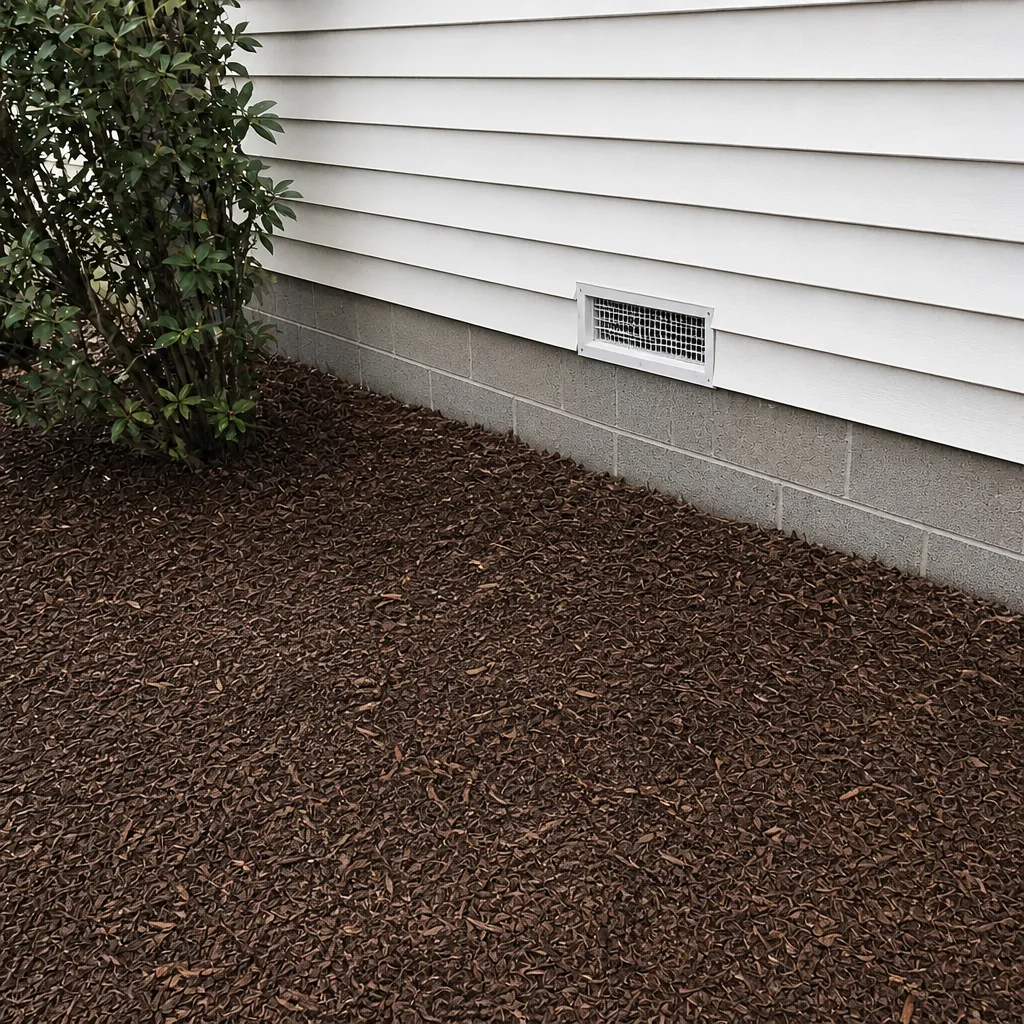
See the difference
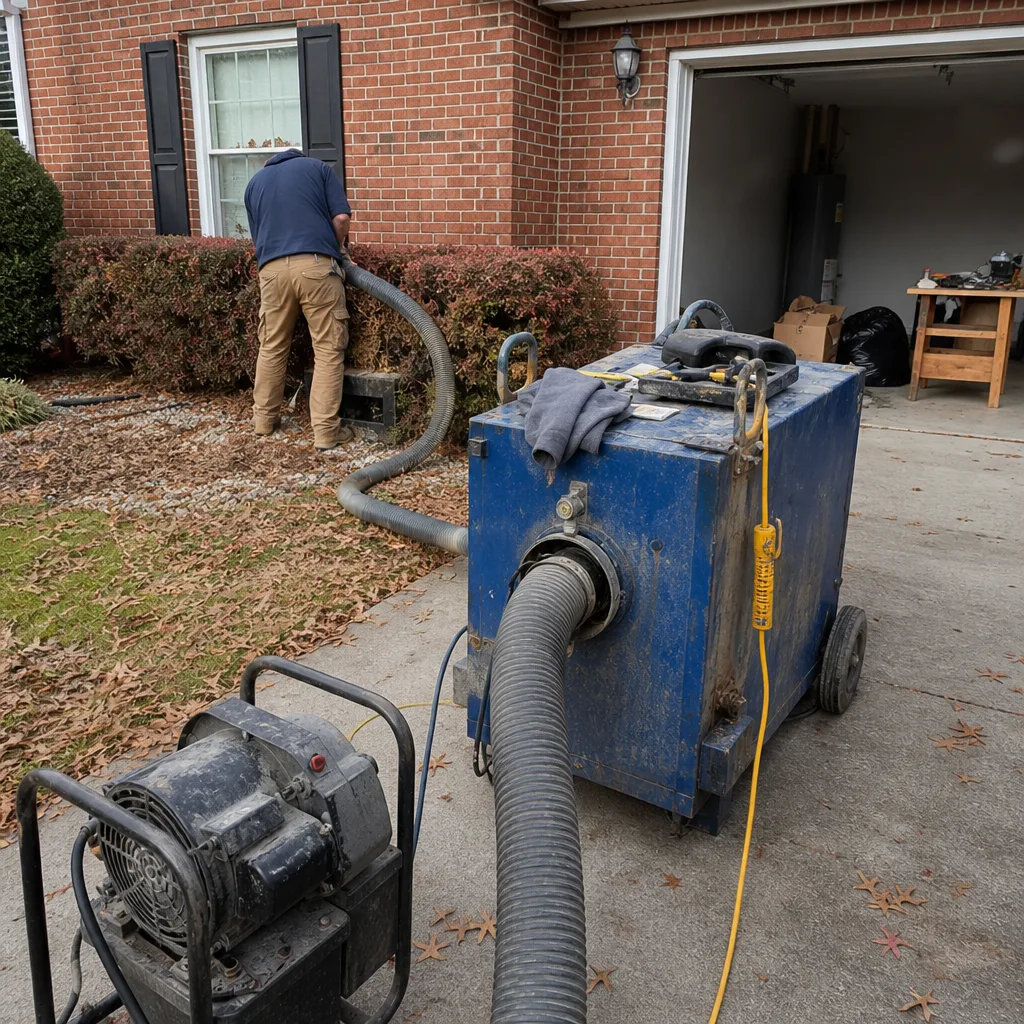 Before
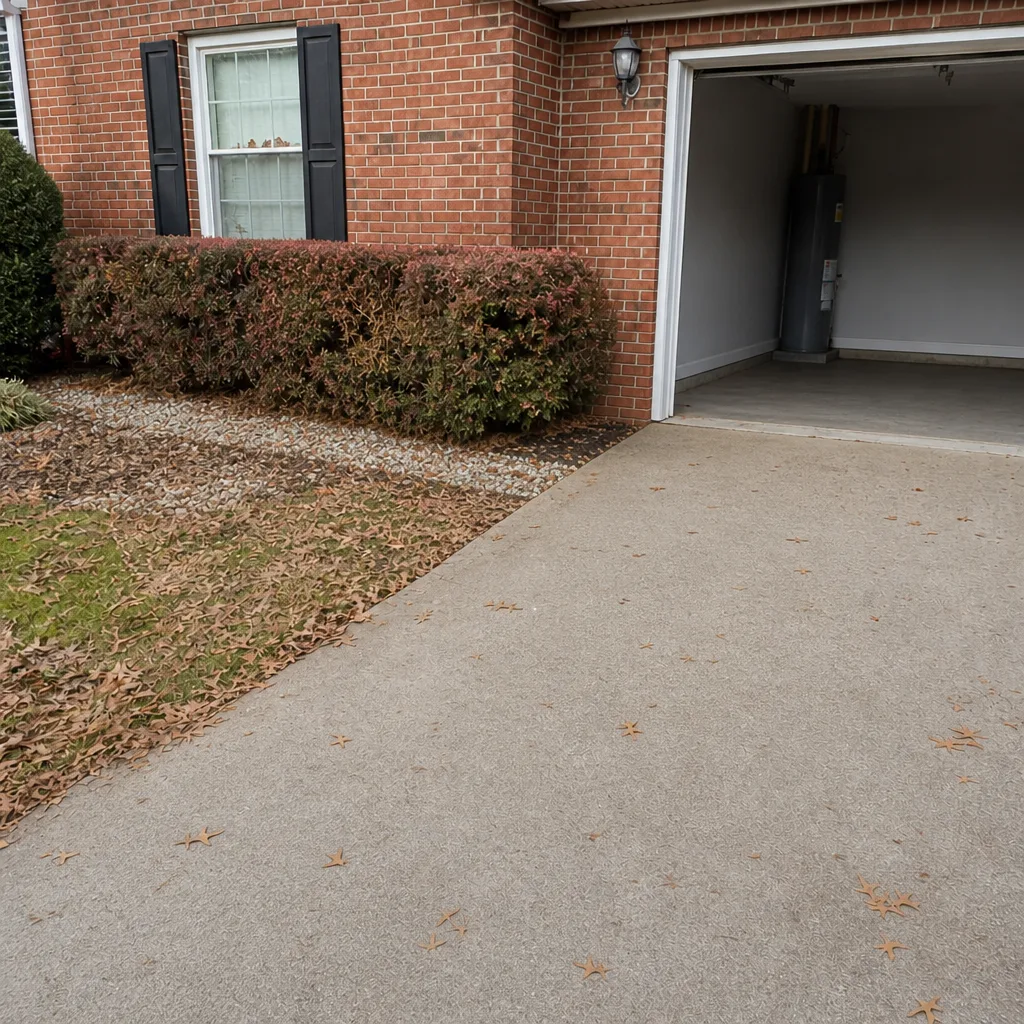 After
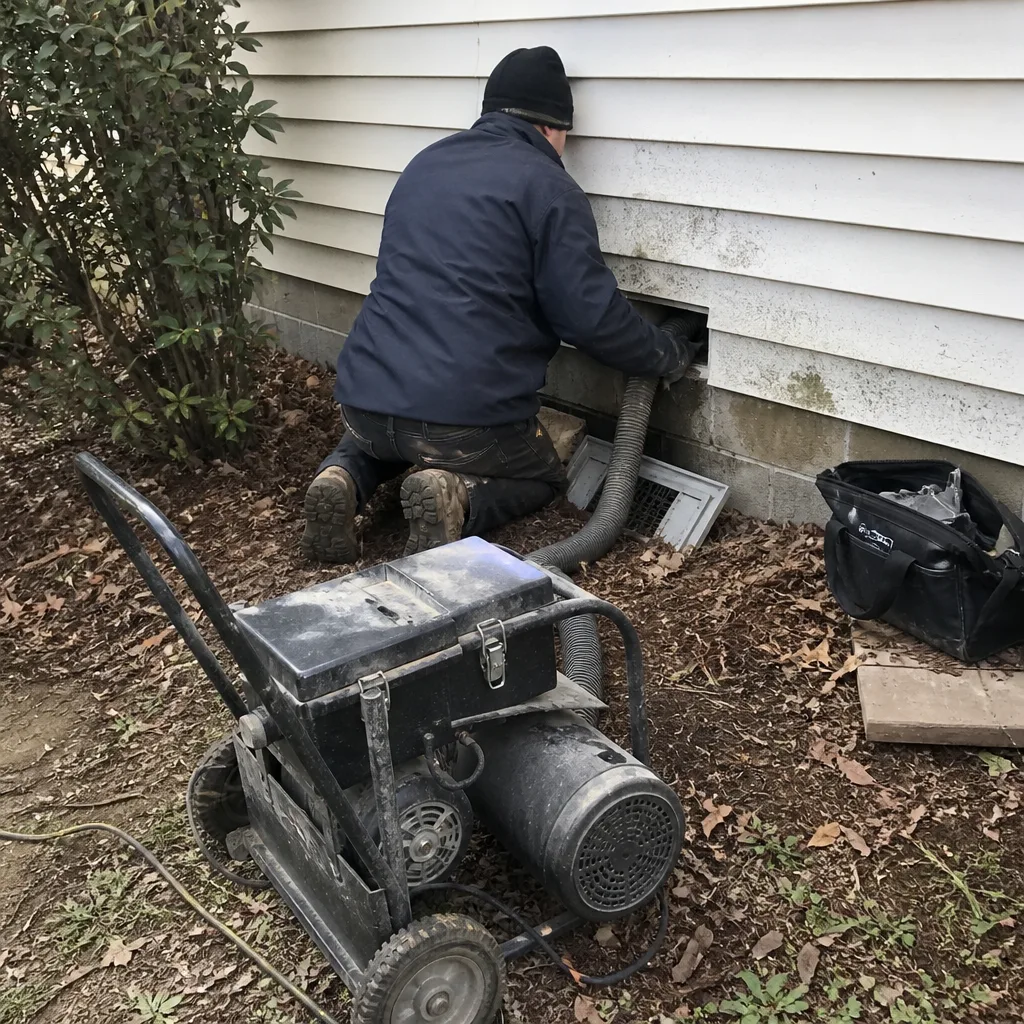 Before
 After
 Before
 After
Common Mistakes to Avoid
- Running the HVAC to “air out” a wet house. It pulls moisture and mobilized debris through the entire system. Shut it off, dry the space with the equipment that’s meant for it, and let a professional assess the ducts.
- Waiting for the ceiling stain to appear before checking the ducts. Water runs along duct runs and framing before it shows up on the ceiling, and by the time it does, the duct underneath may have been wet for days.
- Calling a general HVAC contractor and expecting a duct response. Most arrive with a shop vac, a hose and a scope that won’t reach the duct interior. Ask what equipment the contractor brings to the job before you book.
- Skipping the duct system on a fire claim. The smoke smell that lingers for months is usually the ducts, and most fire claims don’t include them because nobody scoped the interior. Ask for a borescope inspection as part of the claim.
- Letting a renovation run with the system on. Drywall dust and insulation fibers get pulled into every run and settle inside the liner. Turn the system off during heavy-dust work and seal the registers in the work area.
- Forgetting the dryer vent. The vent isn’t part of the air duct system but it’s a leading fire hazard, and it’s the exhaust path most overlooked during a storm or fire cleanup. Include it in your documentation and have it dryer vent cleaning, done as a separate service when the time comes.
- No pre-event file. Without dated borescope photos of your duct interiors, an adjuster has nothing to compare the post-event condition against. It’s the most-used documentation we see on approved duct claims, and the most-missed on denied ones.
When to Call a Professional
If you’re in doubt, call. That covers a lot of ground when it comes to ducts, because the failure mode of waiting is usually hidden. Call us when ductwork got wet from a storm, leak or flood; after any fire that affected the system; during a renovation if dust or insulation fibers reached the runs; if you smell musty or smoky air every time the system runs; or if you simply want a baseline borescope inspection on file before anything happens. Duct Cleaning Concord offers free estimates in Concord, and we’ll send you a written scope you can keep for your own records. For an office or a rental property, we’ll document every unit the same way. To get on the schedule, call (888) 687-3361. We answer 24/7. Fast dispatch from 7am to 7pm, Sunday through Friday. Prices are set per job by the written estimate, before work begins.
The Bottom Line
Most Concord homeowners plan for the storm, not for what the storm does to their ducts. The 24-to-48-hour window after water intrusion is the whole ballgame: if the ducts are assessed and addressed inside it, you’re looking at a cleaning. If they aren’t, you’re looking at a larger scope. Fire and smoke damage follows the same rule – the duct interiors hold what the rooms don’t show. Renovations introduce dust the system pushes everywhere unless it’s contained. And the single thing that controls how all of this gets paid for is whether you have a dated borescope file before anything happens. If you don’t have one yet, the time to get it is now, not after the next storm.
Call (888) 687-3361 for a free estimate. We answer 24/7. Fast dispatch from 7am to 7pm, Sunday through Friday. We work with Honeywell and Aprilaire systems and use Rotobrush, Nikro and Abatement Technologies equipment on every job that calls for it. If the work includes air duct repair, that’s on us too, so you won’t need a second contractor to fix what the inspection finds.
Written by the team at Duct Cleaning Concord, serving Concord since 2013.