
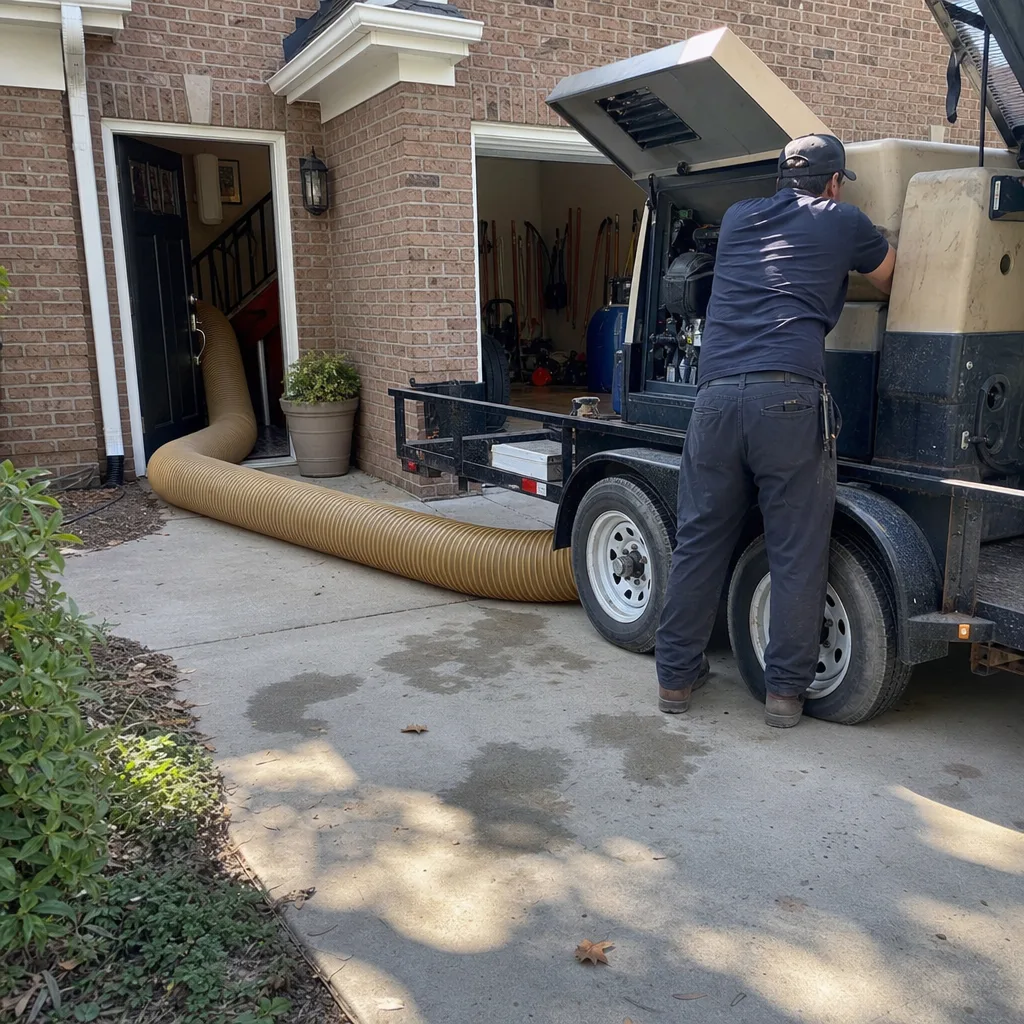
Last updated November 14, 2026
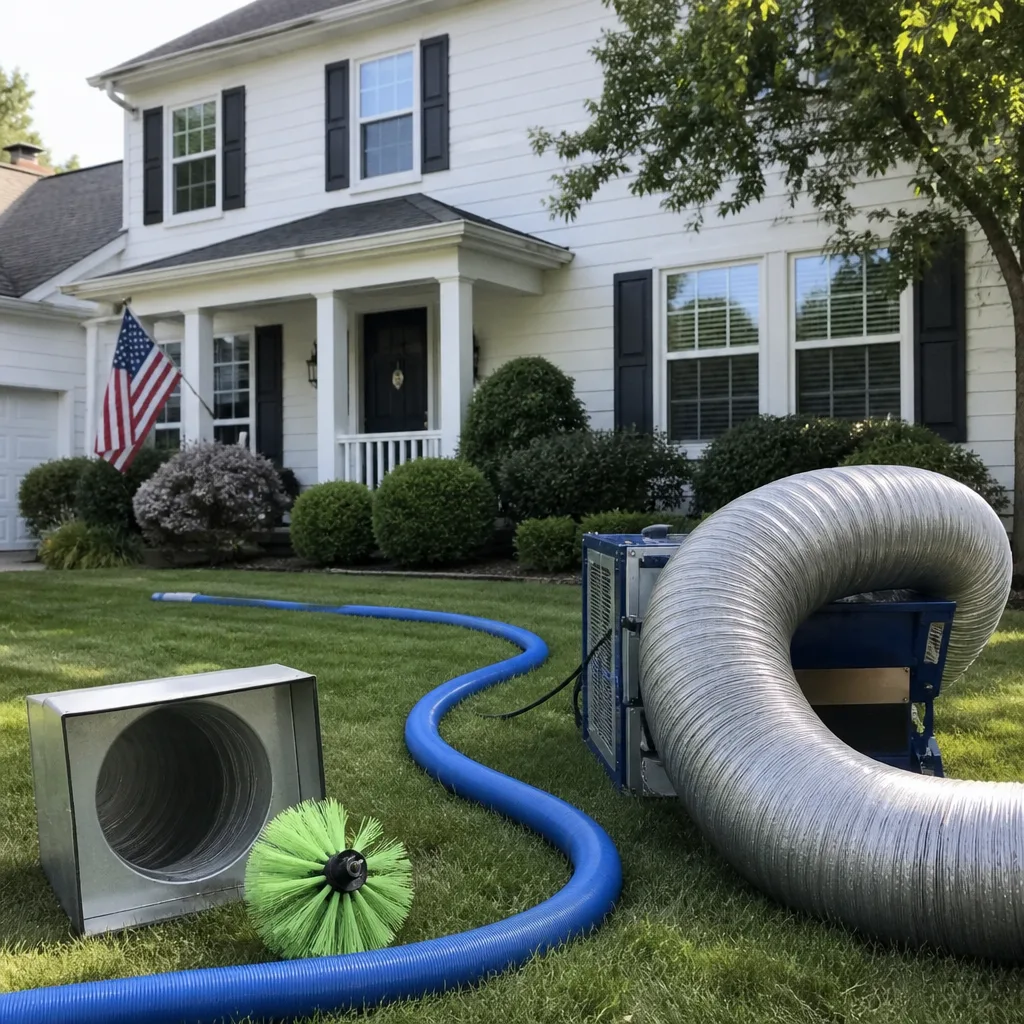 Whole-home duct cleaning
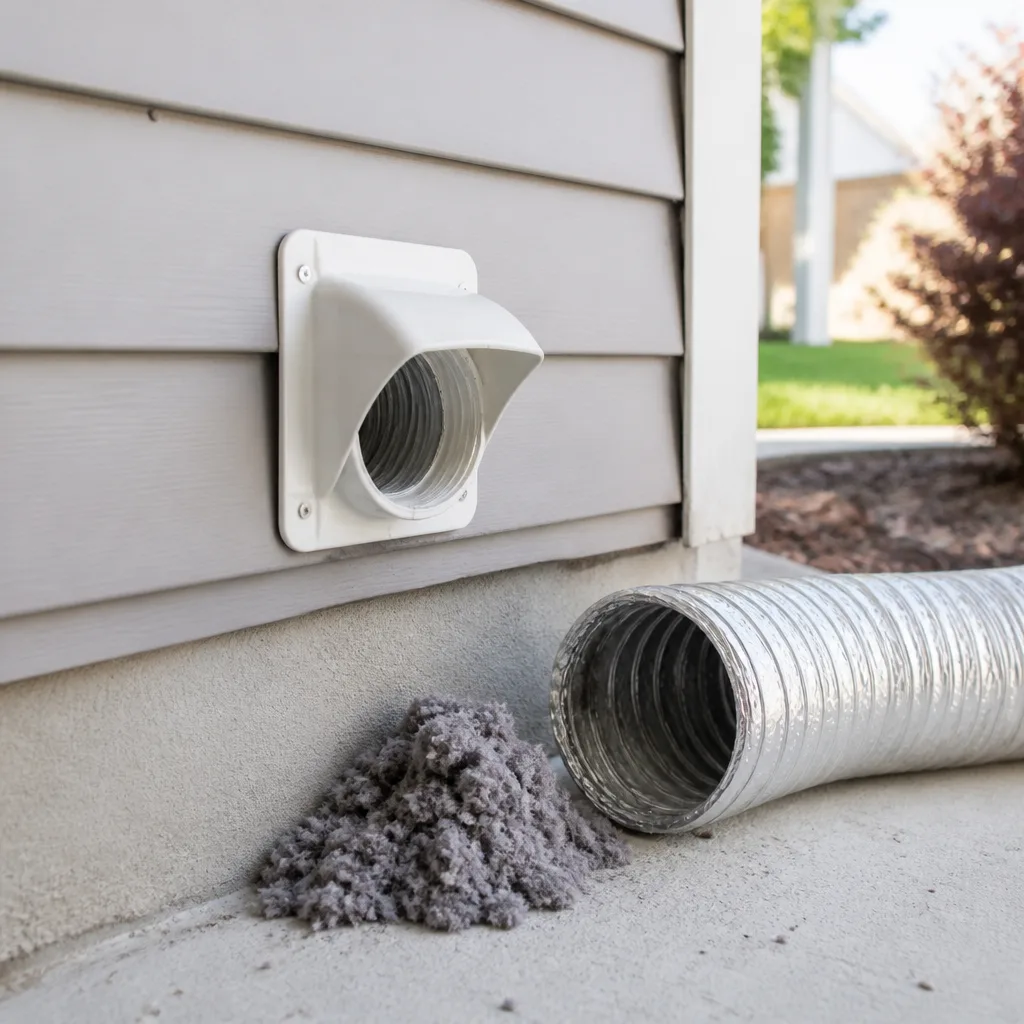 Dryer vent cleaning
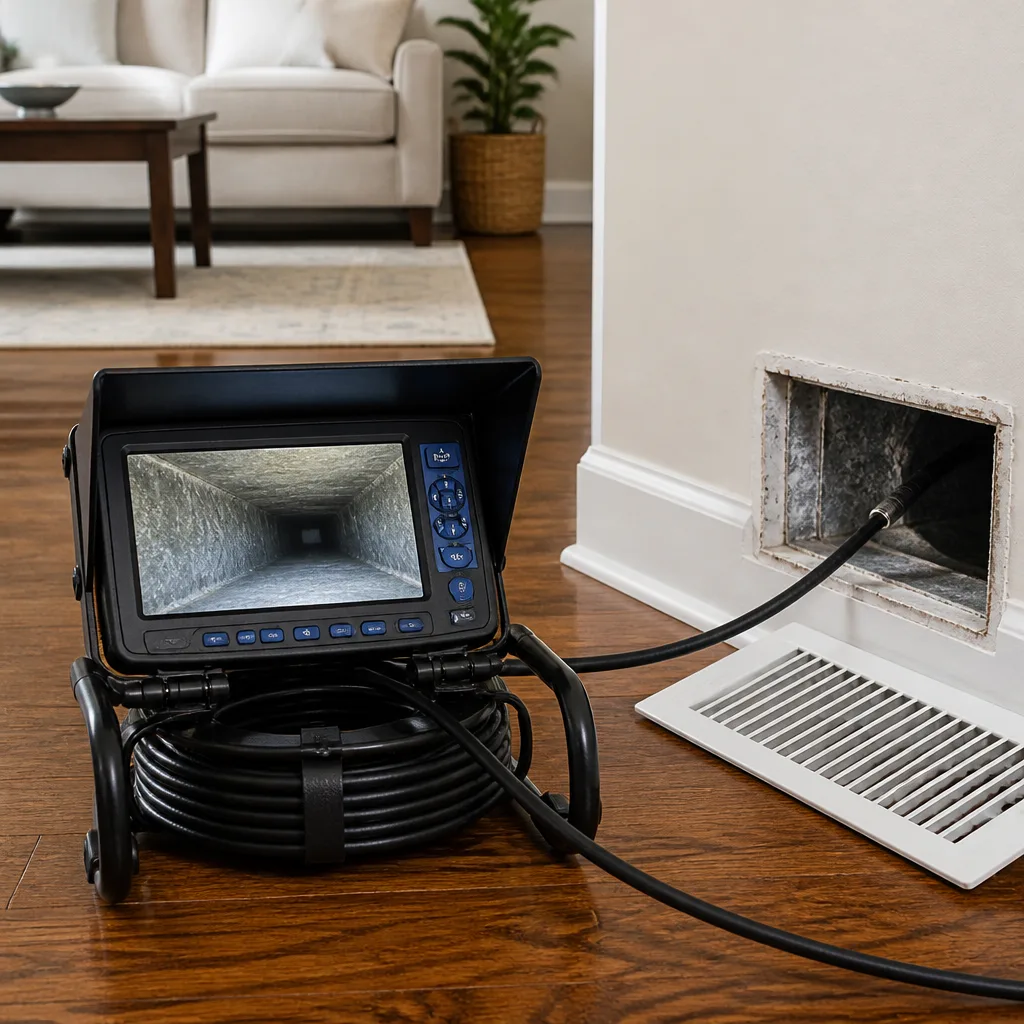 Camera inspection
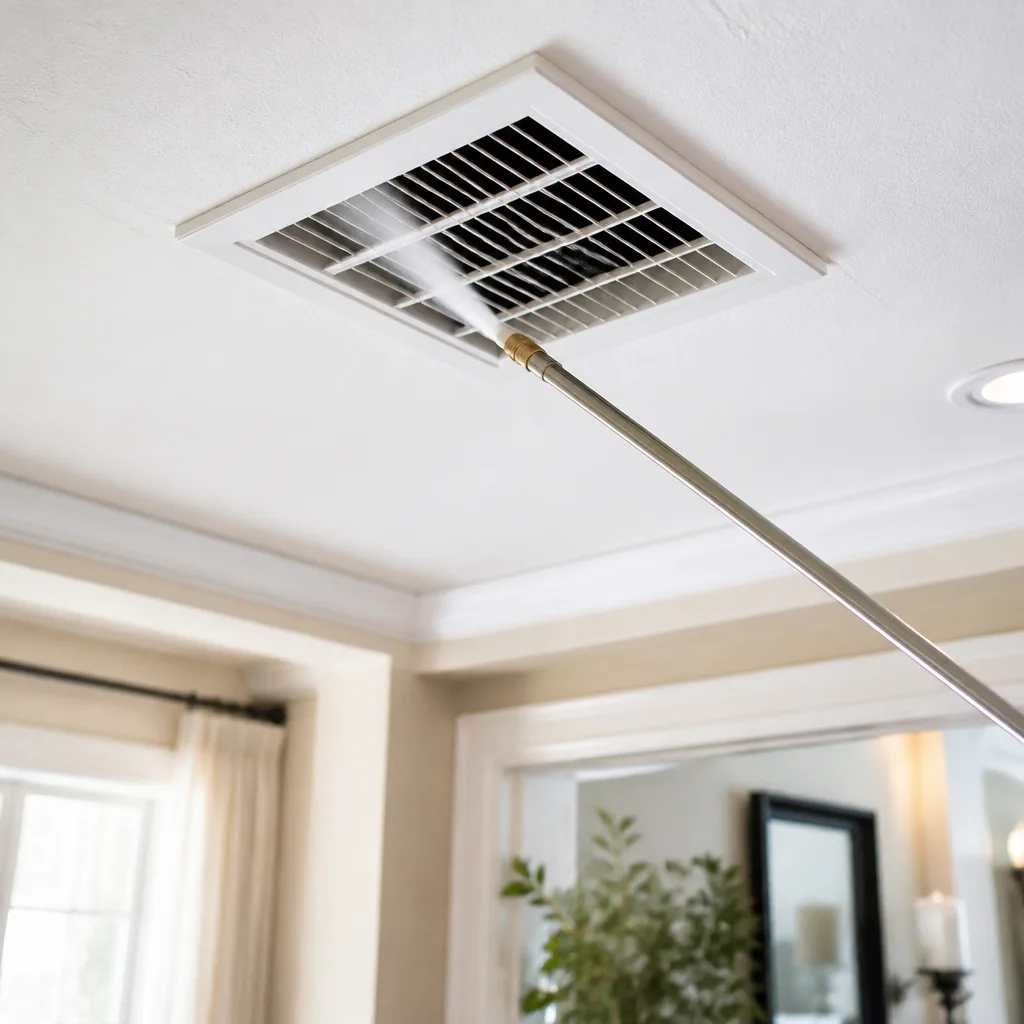 Sanitizing & deodorizing
Whole-system duct and dryer vent check with before-and-after photos - you see exactly what came out of your vents
That "$99 whole-house special" is a bait ad - the real number appears once they are in your hallway, or the "clean" is a shop-vac at the register. We photograph the inside of your ducts before and after instead.
Air Duct Cleaning Cost Breakdown: The Concord Homeowner’s Reference for 2026
Most Concord homeowners assume a duct cleaning quote is a duct cleaning quote. It isn’t. The $99 special and the $750 whole-system job both get called “air duct cleaning,” yet only one of them removes what’s actually coating the inside of your ducts. The gap isn’t profit margin. It’s the equipment on the truck, the number of access points a crew cuts, and whether the work meets source-removal standards at all. This guide breaks down where every dollar in a real Concord job goes: equipment, labor, filters, access work, and the add-ons worth paying for versus the ones that are theater.
Quick Answer
A legitimate whole-system air duct cleaning for a typical 2,000 sq ft Concord home in 2026 runs roughly $450 to $750. Below $300 usually means a crew ran a shop vac through the registers without touching the trunk lines. Above $1,200 you’re paying for heavy contamination remediation or a large, complex system. The written estimate sets the final price, and it should be one flat price per system, not a per-vent charge.
Styles & brands we work with
- Whole-home duct cleaning
- Dryer vent cleaning
- Camera inspection
- Sanitizing & deodorizing
Table of Contents
- Why Duct Cleaning Quotes in Concord Vary So Widely
- What Actually Drives the Cost: A Line-Item Breakdown
- How Concord’s Housing Stock Changes the Price
- Legitimate Add-Ons vs. Upsell Theater
- Why Three Quotes Without NADCA ACR Standards Are Useless
- The Real Cost of a Cheap Cleaning
- What a Proper Job Looks Like, Step by Step
- What You Can Check Yourself Before You Call
Why Duct Cleaning Quotes in Concord Vary So Widely
The national average for duct cleaning gets cited at $300 to $500. That average is skewed by $99 specials that don’t perform source removal, so it tells you almost nothing about what a compliant job costs. When we’re asked about air duct cleaning in Concord, the honest answer starts with what the crew brings through the door.
A source-removal job requires a negative-air machine capable of pulling the whole system into a vacuum while a rotary brush or air whip dislodges debris from every branch. That’s a commercial rig, not a shop vac. The equipment has to be owned or rented, transported, and maintained. It also requires HEPA filtration so what comes out of the ducts doesn’t land back in your living room. Every one of those line items is invisible in a quote, which is exactly why a $99 quote can exist alongside a $700 one.
The second variable is the number of access points. Ductwork hidden behind drywall and flooring rarely has enough openings for a proper cleaning. A real job may cut additional access holes in the supply and return plenums, then seal them afterward with a proper closure. Cut-rate outfits skip the cuts and work only through the registers, which leaves the trunk lines and the run behind them largely untouched.
The third variable is time. A whole-system job on a Concord home takes a crew several hours. A “special” takes forty-five minutes because it’s a surface pass through the visible vents. Labor is the largest single line item on any legitimate invoice, and no amount of equipment substitutes for it. So when we quote, we’re pricing hours at the machine, not minutes at the register.
What Actually Drives the Cost: A Line-Item Breakdown
Here’s how a legitimate estimate is built. Every number is a typical estimated range, and the written estimate you receive sets the final price for your specific system.
- Negative-air machine and HEPA filtration: $80 to $150 per job, covering equipment, filters, and setup. This is the single biggest difference between real cleaning and a register pass.
- Labor at the machine and on the brush line: $200 to $350 for a typical residential system, based on hours on site and the number of branches.
- Access point cutting and restoration: $50 to $120, depending on how many cuts are needed and how the closure is finished.
- Rotary brush or air whip heads and consumables: $30 to $60, including brush wear and any antimicrobial used only where it’s needed.
- Filter replacement or inspection: $20 to $40 for a standard filter, more if you run a higher-MERV or a media cabinet.
- Final inspection and photo documentation: included in a proper job. If it isn’t, ask why.
The rotary brush is not optional. It’s the industry-standard tool for dislodging debris bonded to the duct wall, and a vacuum alone won’t pull it free. That’s why we run Rotobrush and Nikro equipment on every job: purpose-built rotary and vacuum systems, not a generic hose on the end of a household vacuum.
On heavily soiled systems, or where duct conditions require it, Abatement Technologies containment and filtration equipment keeps the work area clean and lets us handle contaminated duct environments many cleaners won’t touch. That gear adds cost, and it’s the difference between a job that’s safe and one that just looks finished. Whole-home air systems that work alongside a Honeywell or Aprilaire component may need a little extra inspection time so the cleaning doesn’t disturb the equipment’s own sensors and filters.
How Concord’s Housing Stock Changes the Price
Concord’s housing stock runs from older homes in established neighborhoods like Afton Village to newer subdivisions on the edge of town, and the differences matter for pricing. Older homes often have ductwork retrofitted into spaces that weren’t designed for it, which means fewer accessible points and more cutting to reach the full run. That adds labor and access work.
Newer construction typically has more duct runs and often uses flex duct in places where sheet metal was once standard. Flex has ridges that trap debris, so it takes a slower, gentler pass with the rotary brush to clean without tearing the liner. Fiberboard duct, used in some buildings, is the most delicate of all: it can shed fibers if the cleaning is too aggressive, and the crew has to dial the equipment down or, in bad cases, replace sections rather than clean them.
System size also drives the number. A single-zone Concord home with one air handler is a smaller job than a two-story with two zones and long trunk lines. The estimate reflects linear footage and the number of branches, not the square footage of the house alone. A 1,400 sq ft home with a sprawling single-level layout can cost more to clean than a 2,200 sq ft home with tight, accessible runs. Ask for a quote based on the system, not the address.
The local climate plays a role too. Concord’s muggy summers mean the air handler and ducts see condensation and seasonal humidity swings, which can leave a musty trace in return plenums if filters haven’t been changed regularly. It’s a reason to inspect, not a reason to upcharge.
Legitimate Add-Ons vs. Upsell Theater
Add-ons exist for a reason: some genuinely improve the result. Others exist to raise the invoice. Here’s the split.
Worth paying for
- dryer vent cleaning as a standalone service: the dryer vent is a separate line from your HVAC ducts and clogs with lint over time. It’s one of the leading causes of residential house fires, and a crew on site can clear it properly. We treat it as its own service, not a tacked-on line item, because the work is different.
- Coil cleaning: if the evaporator or condenser coil is caked, cleaning it restores airflow and efficiency. It’s real work with a measurable result.
- Antimicrobial treatment: legitimate only when there’s actual microbial growth, not applied as a default to every system. Ask what was found and where.
- Access restoration: sealing what was cut is not an upsell. It’s part of the job.
Usually theater
- Pressure-based “sanitizing” of a clean system: if the ducts came out clean, there’s nothing to sanitize. A fogger run through clean ducts is a cosmetic charge.
- Per-vent pricing that climbs with each register: honest pricing is one flat price per system. A per-vent tally rewards the wrong thing and obscures the total.
- “Enzyme” treatments sold before inspection: no one has looked at the ducts yet, so there’s no basis for the recommendation.
The rule of thumb: if an add-on is proposed before anyone’s looked inside the system, it’s probably theater. If it comes after an inspection with a reason attached, it’s worth considering.
Why Three Quotes Without NADCA ACR Standards Are Useless
The standard advice is to get three quotes. The problem is that three quotes for undefined “duct cleaning” are three different services wearing the same label. Without a shared specification, you’re comparing a register pass to a source-removal job and calling it a price comparison. The fix is to specify the standard up front. NADCA’s ACR (Assessment, Cleaning, and Restoration) standard is the industry’s benchmark, and it defines what a compliant job includes.
When you request quotes, include this language in your request:
- The job must meet NADCA ACR source-removal standards, including negative-air machine use and rotary brushing of all accessible supply and return branches.
- Quote a flat price for the whole system, not a per-vent charge.
- State how many access points will be cut, how they’ll be restored, and whether that’s included.
- Confirm the equipment: negative-air machine capacity, HEPA filtration, rotary brush or air whip heads.
- Ask for before-and-after photos of the inside of the ducts, not just the register face.
- Confirm whether dryer vent cleaning and duct repair are handled in-house or subcontracted. We do both in-house, which is why a follow-up repair doesn’t need a second contractor.
Send that to every company you’re considering, and the quotes start to line up on the same work. That’s when a real comparison becomes possible, and the low outlier usually reveals itself as underpriced because the scope is smaller.
The Real Cost of a Cheap Cleaning
A $99 special doesn’t save you money. It defers a bigger bill. When a job leaves a large share of the debris in place, that debris keeps circulating every time the system runs. Filters clog faster, which means you’re buying more of them. Airflow drops, which makes the system work harder to deliver the same amount of cool air. And on newer equipment with tighter tolerances, a clogged system can create conditions that stress components over time; check your manufacturer’s documentation on what a properly maintained system requires, because some warranties on new HVAC equipment assume regular maintenance including duct work.
The math is simple even without exact numbers. You pay once for a cheap cleaning, then again for more filters, then again for the real job when the problem becomes obvious. The expensive path is the one that looks cheap on the invoice.
We work with and around whole-home air quality brands like Honeywell and Aprilaire because ducts don’t exist in isolation. A cleaning that ignores the air handler’s filtration and controls isn’t finished work. Our three services, air duct cleaning, dryer vent clearing, and duct repair, are all handled in-house, so an inspection that finds a damaged section doesn’t turn into a second appointment with a second contractor.
What a Proper Job Looks Like, Step by Step
Knowing the sequence helps you tell a real job from a show. A proper whole-system cleaning follows roughly this order, and you should be able to watch most of it happen.
- Walk-through and assessment. The crew inspects the system, identifies the air handler, trunk lines, and branches, and confirms access points before any equipment goes in.
- Customer protection. Floors and furnishings are covered, and containment is set up around the work zone so dust from the ducts doesn’t escape into the home.
- Negative-air setup. The vacuum and HEPA filtration connect to the system to keep the whole duct under negative pressure during cleaning.
- Access point cuts. Additional openings are made where needed to reach the full run, not just the visible registers.
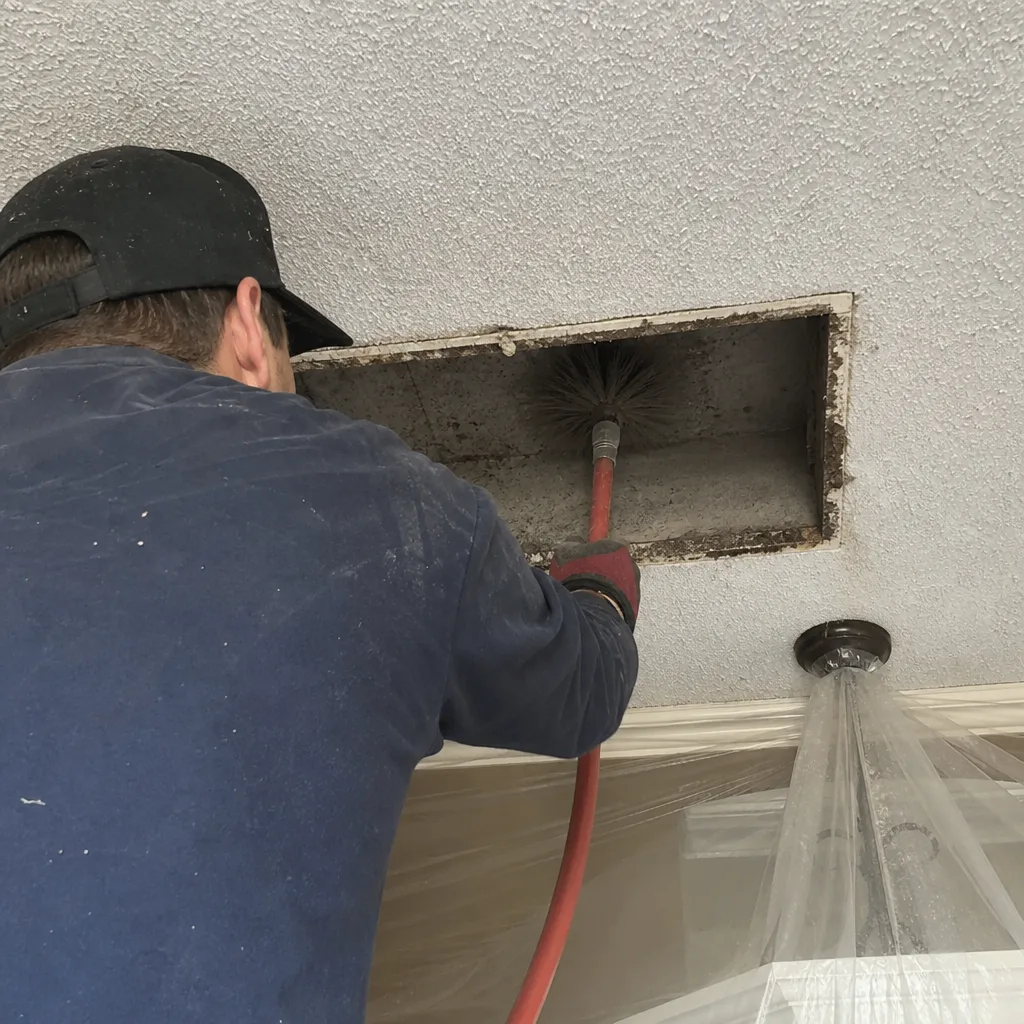
- Rotary brushing and agitation. Brush heads and air whips dislodge debris from the duct walls branch by branch, working back toward the vacuum.
- Filter and air handler check. Filters are inspected or replaced, and the air handler is checked for debris accumulation.
- Access restoration. Openings are sealed, and the system is checked to confirm airflow.
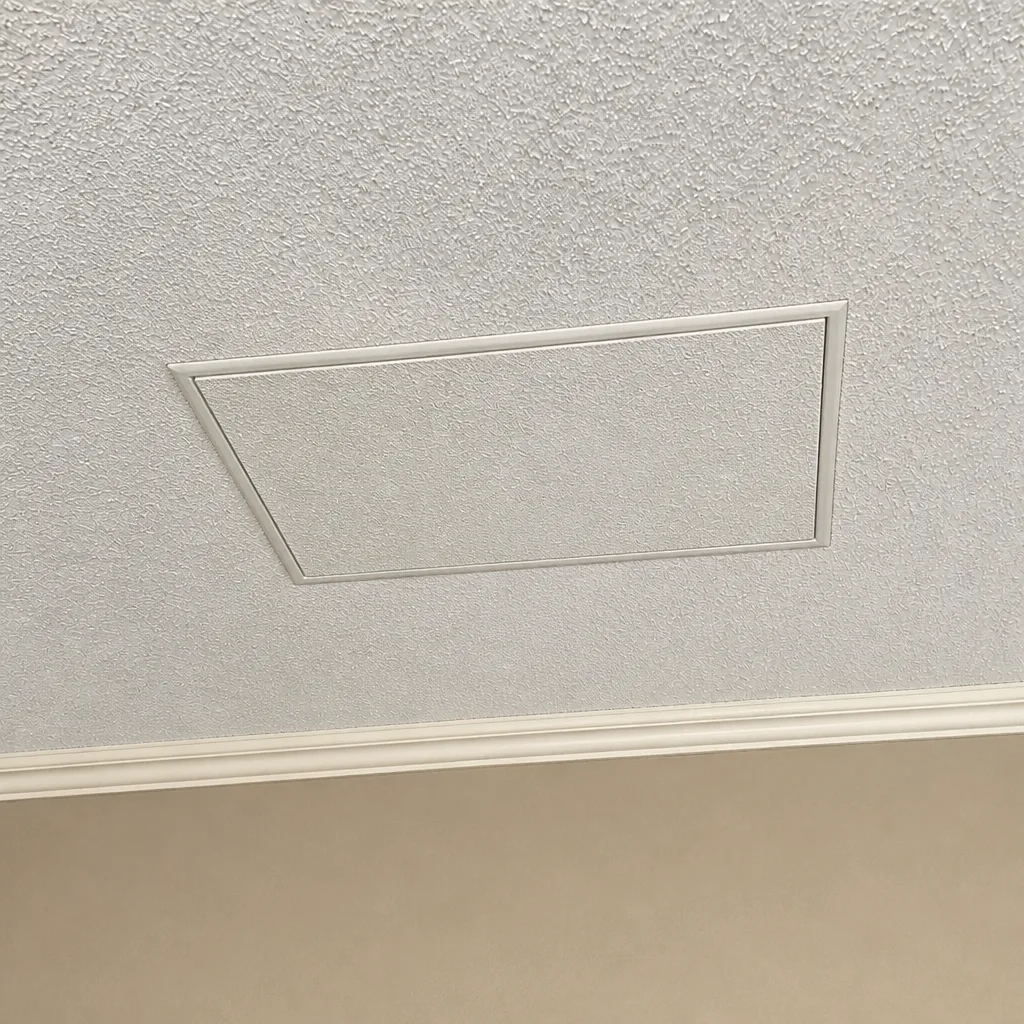
- Photo documentation. Before-and-after photos of the inside of the ducts go to the homeowner, so there’s evidence, not assurances.
The whole thing takes a crew several hours. If someone’s finished in forty-five minutes, they didn’t do steps three through seven.
What You Can Check Yourself Before You Call
Before you call, a few quick observations will tell you whether you need a professional visit. None of these involve opening the system, and none require tools a homeowner shouldn’t use.
- Register dust: shine a light into a supply register. A light film is normal. A visible mat or heavy dust is a sign the system needs attention.
- Filter frequency: if you’re changing a standard filter more often than the manufacturer recommends, that’s a signal.
- Musty smell when the system runs: this points to moisture or growth somewhere in the system and deserves an inspection.
- Dryer vent lint: check the outside vent flap for lint buildup. If the dryer takes longer to dry clothes, the vent is likely clogged. Don’t try to clean it yourself with a brush on a drill; the risk isn’t worth it.
- Recent renovation: drywall dust and debris from a remodel settle in the ducts. If you’ve recently finished work in the house, have the system inspected.
One safety note: don’t reach into ducts, remove registers to clean behind them, or try to open the air handler yourself. Electrical components and moving parts sit inside the system, and a trained technician is the right person to open it.
Common Mistakes to Avoid
- Choosing on price alone. The lowest quote is usually low because the scope is smaller. Ask what’s included in writing before you compare.
- Accepting per-vent pricing. A per-register charge makes the total unpredictable and encourages shortcuts. Insist on one flat price for the whole system.
- Skipping the access conversation. If a quote doesn’t mention cutting and restoring access points, the crew will work only through registers. Ask directly.
- Letting the dryer vent ride as an afterthought. It’s a separate fire-risk system. Book it as a standalone service, and get it cleared properly.
- Not asking for photos. If you can’t see the inside of the ducts before and after, you can’t know what was done.
- Assuming a big HVAC company is the right choice. Generalists handle duct cleaning as an add-on with lighter equipment. A specialist brings purpose-built tools because duct work is the core of the business.
- Ignoring your air handler’s filtration. A media cabinet or whole-home filter matters. If the technician doesn’t understand your Honeywell or Aprilaire setup, the cleaning may disturb sensitive components.
See the difference
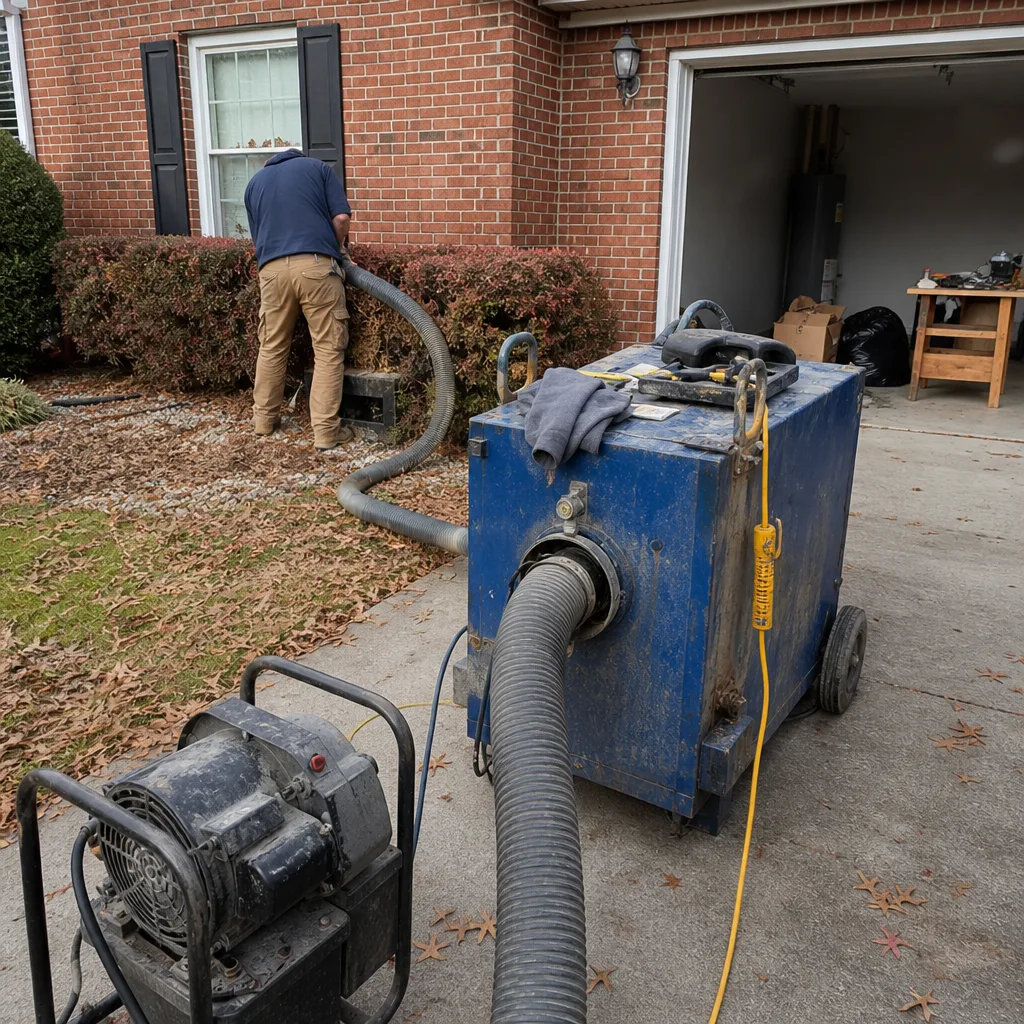 Before
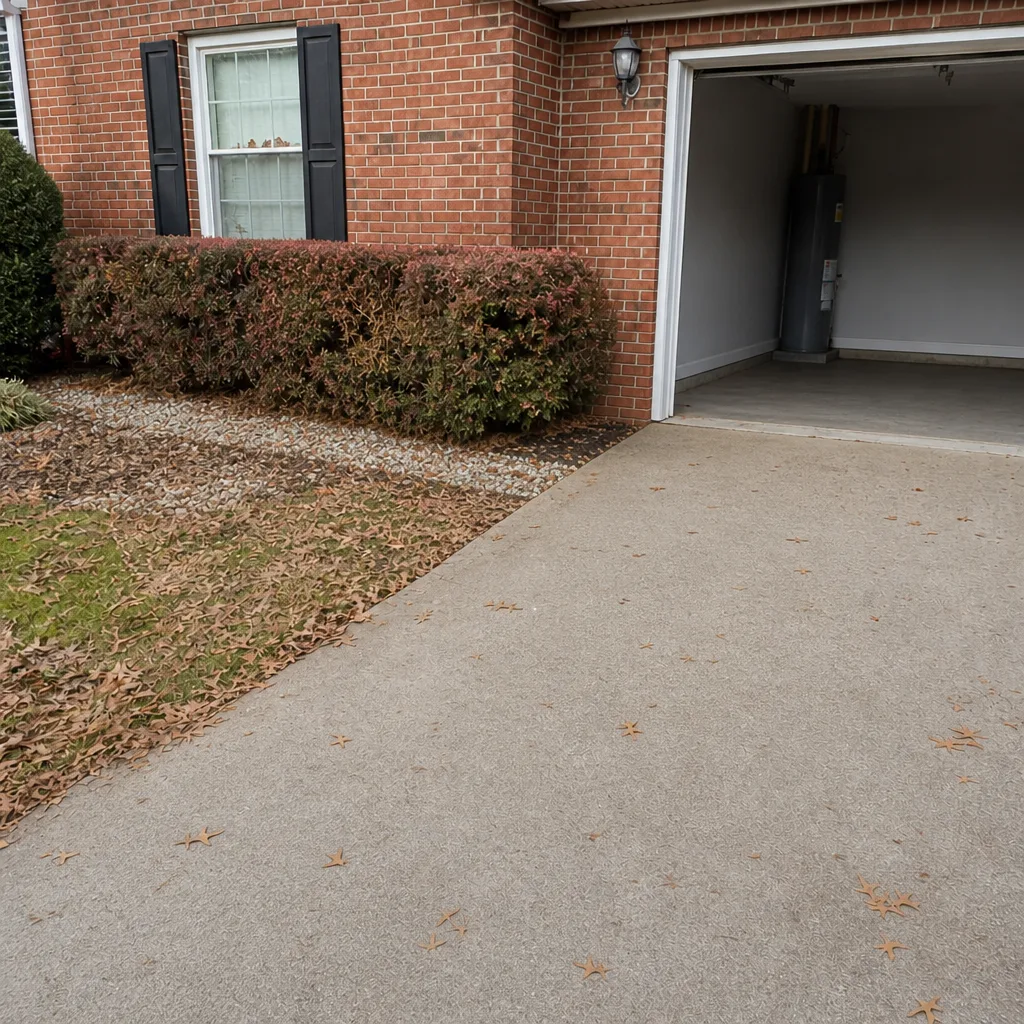 After
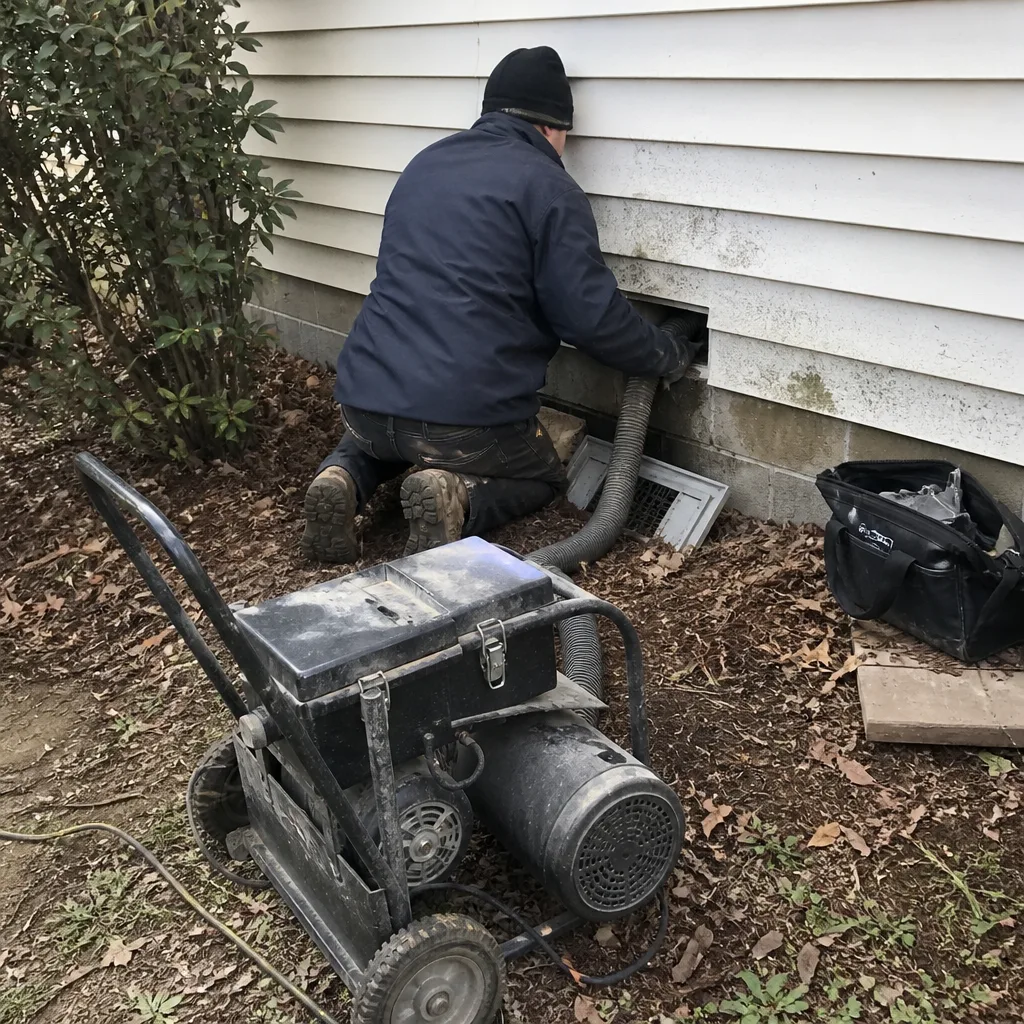 Before
 After
 Before
 After
When to Call a Professional
Call a professional if you’ve never had the system cleaned and the home is more than a few years old, if filter changes have gone up in frequency, if there’s a musty smell when the air runs, if the home recently finished a renovation, if you notice visible debris at the registers, or if the dryer is taking noticeably longer to dry clothes (that’s the vent, not the ducts). Each of these is a specific reason, not a general “should.” Duct Cleaning Concord offers free estimates in Concord, call (888) 687-3361. We answer 24/7. Fast dispatch from 7am to 7pm, Sunday through Friday. Every job is quoted as one flat price per system, agreed before work starts, with before-and-after photos of your own ducts.
Frequently Asked Questions
A legitimate whole-system job for a typical Concord home runs about $450 to $750, with larger or heavily soiled systems reaching $1,200 or more. Below $300 usually means a register pass instead of source removal. The signed written estimate sets the final price, and it should be flat per system. Call (888) 687-3361 for an exact quote, estimates are free.
Because they’re a different, smaller service. A cheap quote typically means no negative-air machine, no rotary brush work through the trunk lines, and no access cutting. The crew cleans what’s visible and leaves the rest in place. Ask what equipment is used and what’s included before comparing prices. Call (888) 687-3361 to hear what a full-scope job includes.
Ask for before-and-after photos of the inside of the ducts, not the register covers. A proper crew will also walk you through the system afterward and show you where access points were cut and restored. If a company can’t produce photos, treat that as a red flag.
There’s no fixed schedule that applies to every home. Most homes benefit from an inspection every few years, and cleaning when the inspection finds a reason: heavy debris, recent renovation, musty odor, or frequent filter changes. Homes with pets, smokers, or ongoing renovations need it more often.
Yes. Flex duct takes a slower, gentler pass because its ridges trap debris and its liner can tear. Fiberboard is the most delicate and sometimes needs replacement rather than cleaning. Sheet metal is the most straightforward to clean. Concord homes built in different eras end up with different materials, so an accurate quote requires a look at the system.
We handle duct repair in-house, so a cleaning that uncovers a damaged section doesn’t turn into a second appointment with a second company. The full scope is cleaning, dryer vent clearing, and duct repair under one provider. Call (888) 687-3361 with what you’ve noticed and we’ll book an assessment.
The Bottom Line
The cost of air duct cleaning in Concord comes down to four things: the equipment on the truck, the number of access points cut, the labor hours at the machine, and whether the job meets source-removal standards. A real whole-system job lands around $450 to $750 for a typical home, and the written estimate sets the final figure. Anything much cheaper is a different, smaller service, and the savings get paid back through filters, efficiency, and a second cleaning. Specify the standard, demand a flat price per system, and ask for before-and-after photos. That’s how you avoid paying twice for the same answer.
If you’re ready to know what your Concord system actually needs, call Duct Cleaning Concord at (888) 687-3361 for a free estimate. We answer 24/7. Fast dispatch from 7am to 7pm, Sunday through Friday. Every job is quoted as one flat price per system, agreed before we start, with before-and-after photos of your own ducts. We clean, we clear, we repair, and we bring commercial-grade equipment to your home.
For a closer look at our main service area, see Concord, and to book the service directly, visit Duct Cleaning Concord.
Written by the team at Duct Cleaning Concord, serving Concord since 2013.