
Last updated November 14, 2026
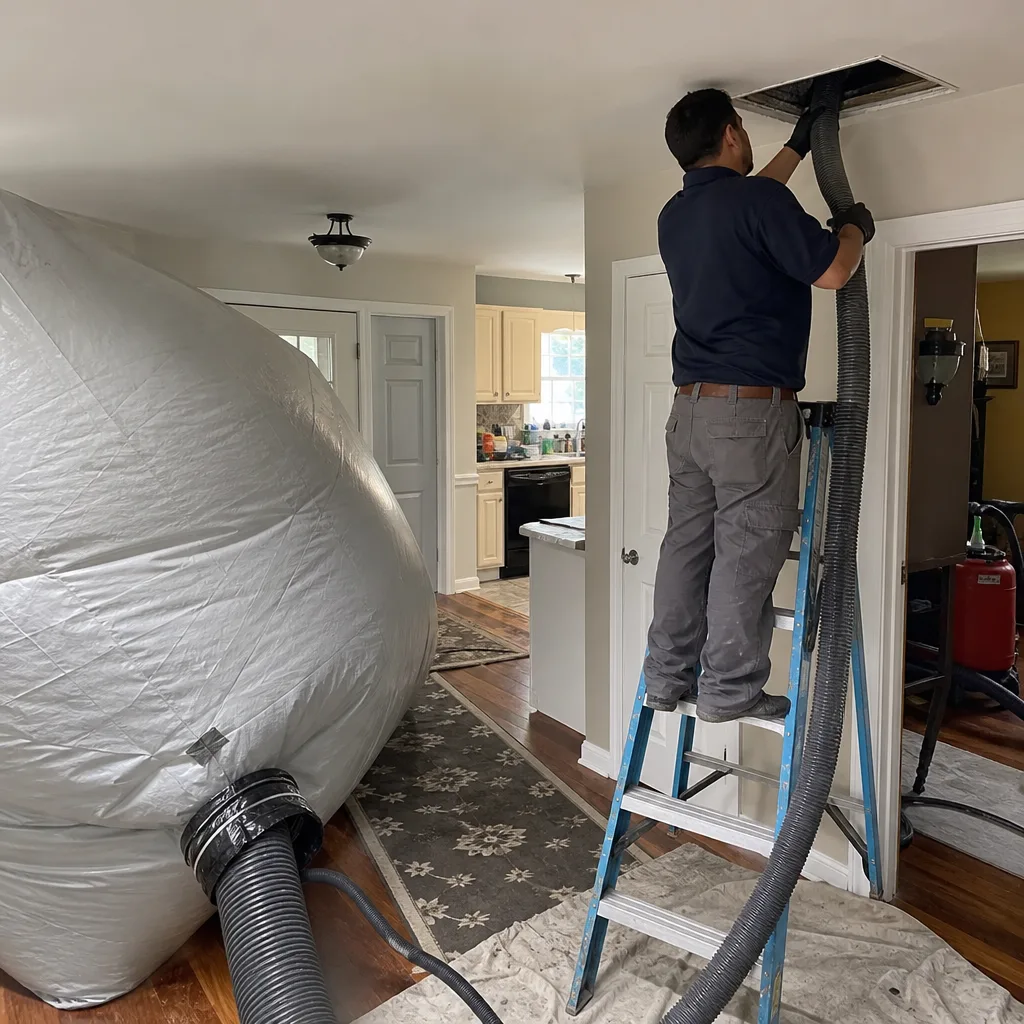
 Whole-home duct cleaning
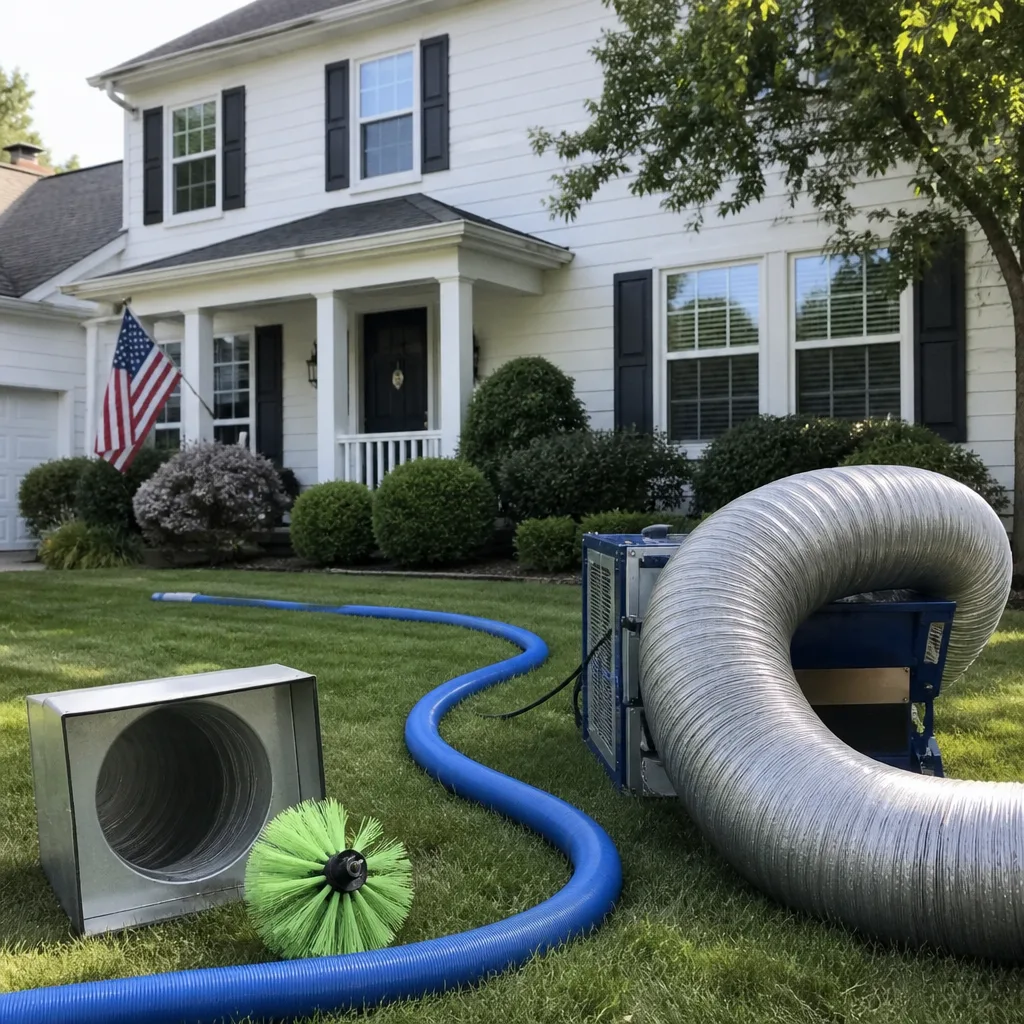
 Dryer vent cleaning
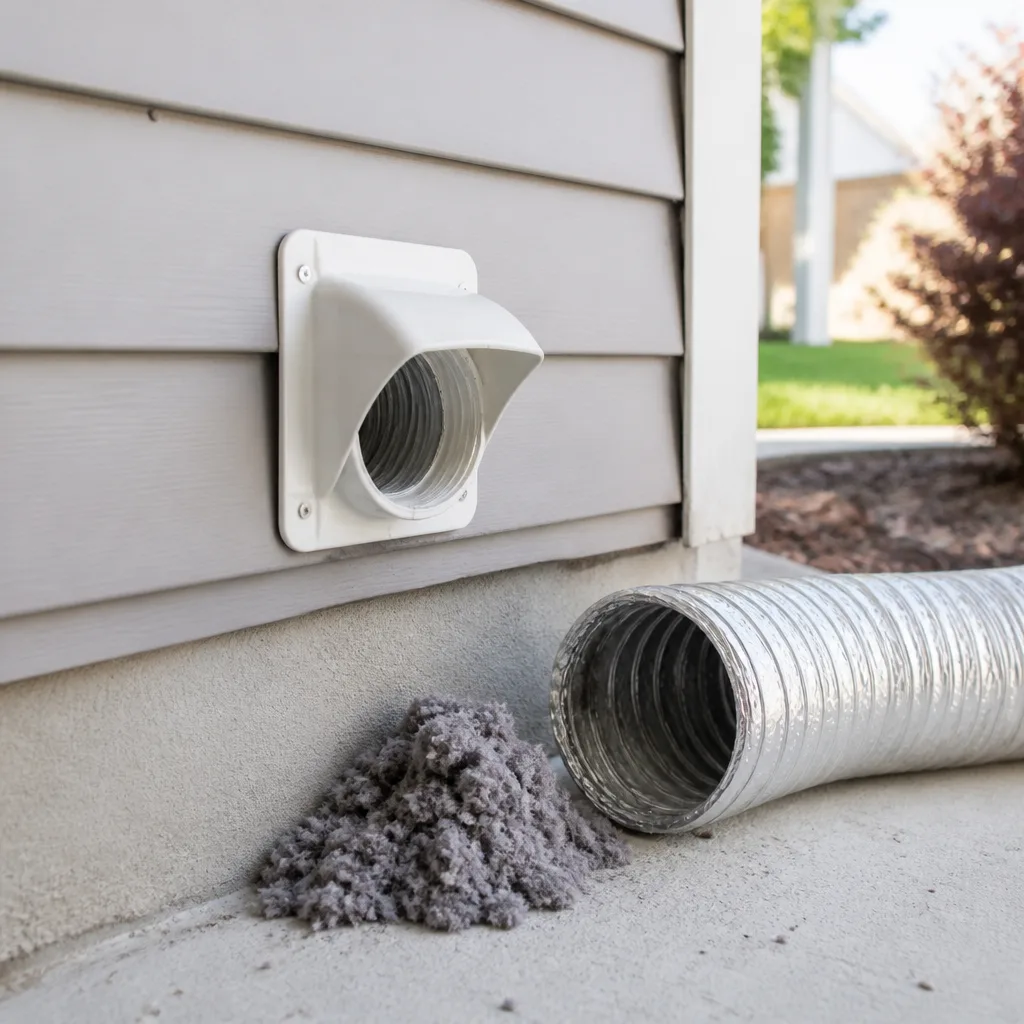
 Camera inspection
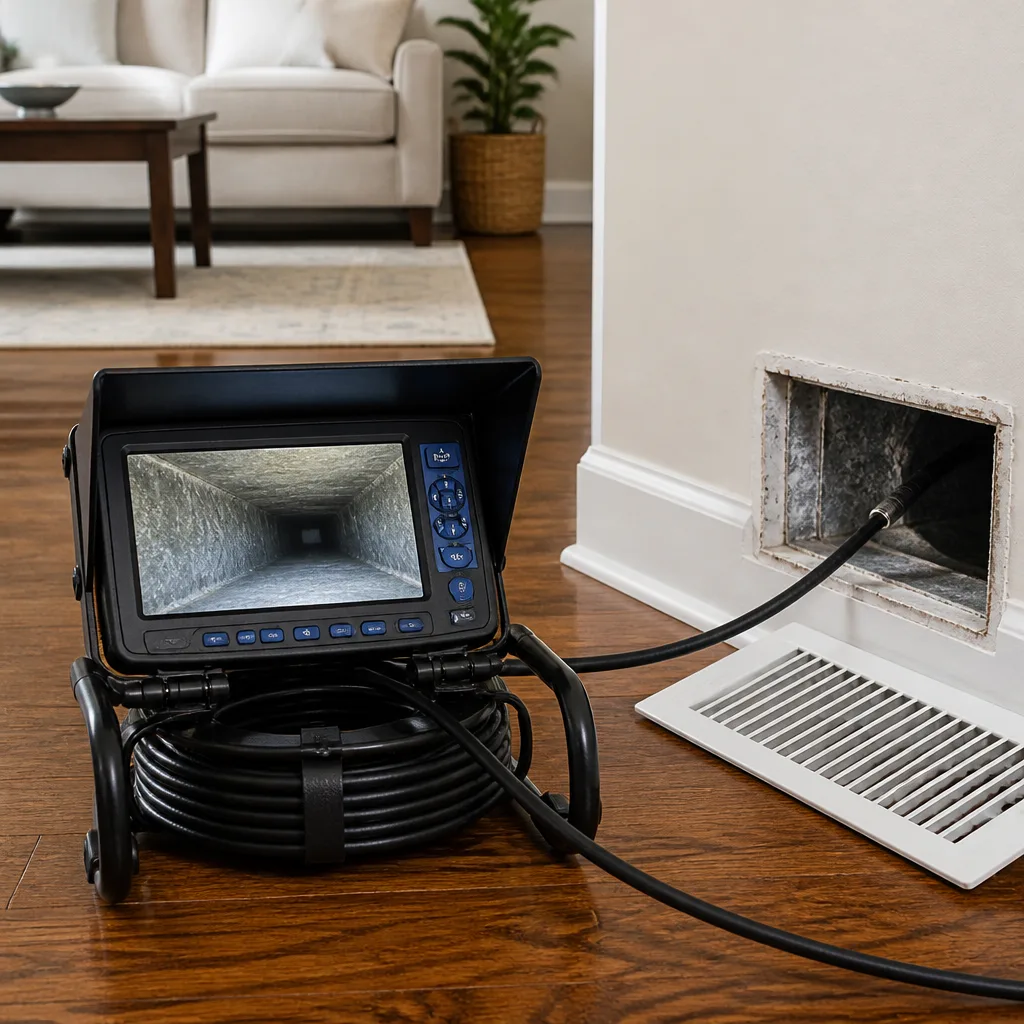
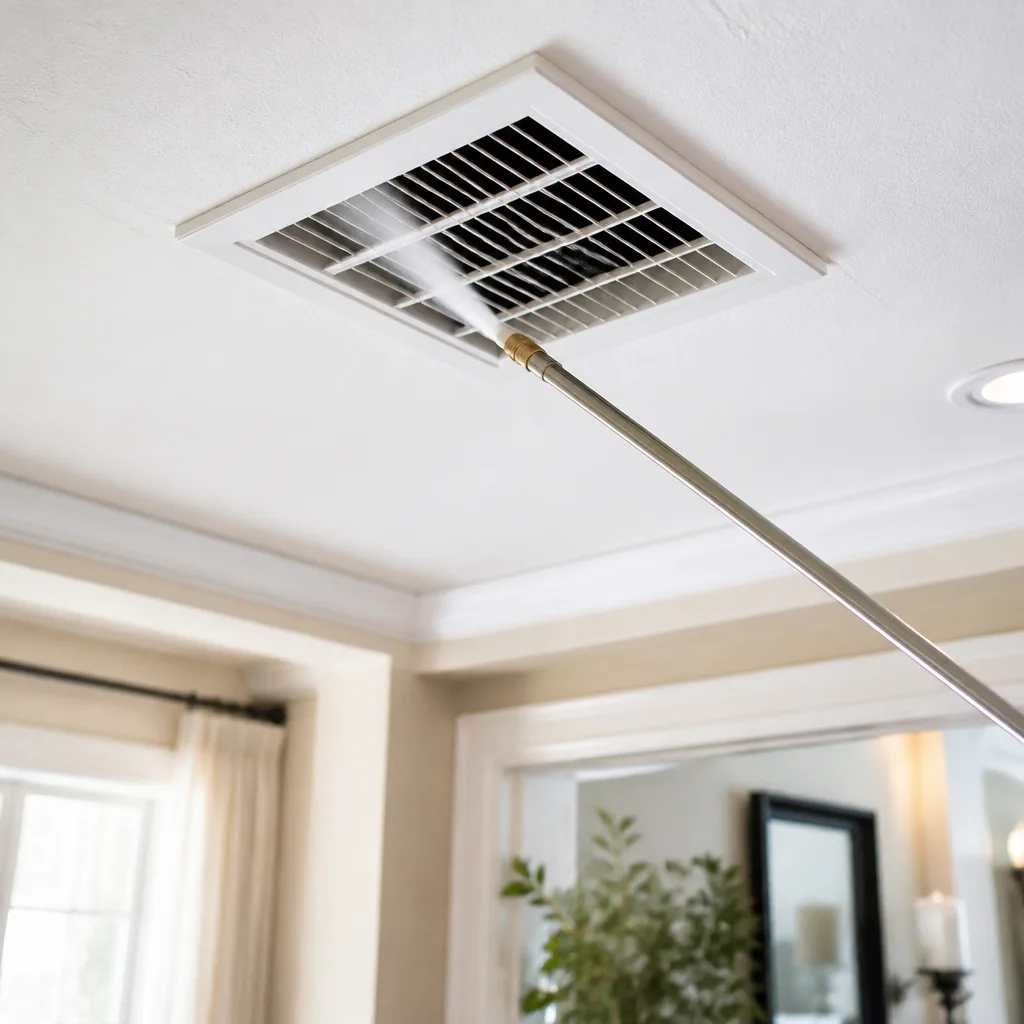 Sanitizing & deodorizing
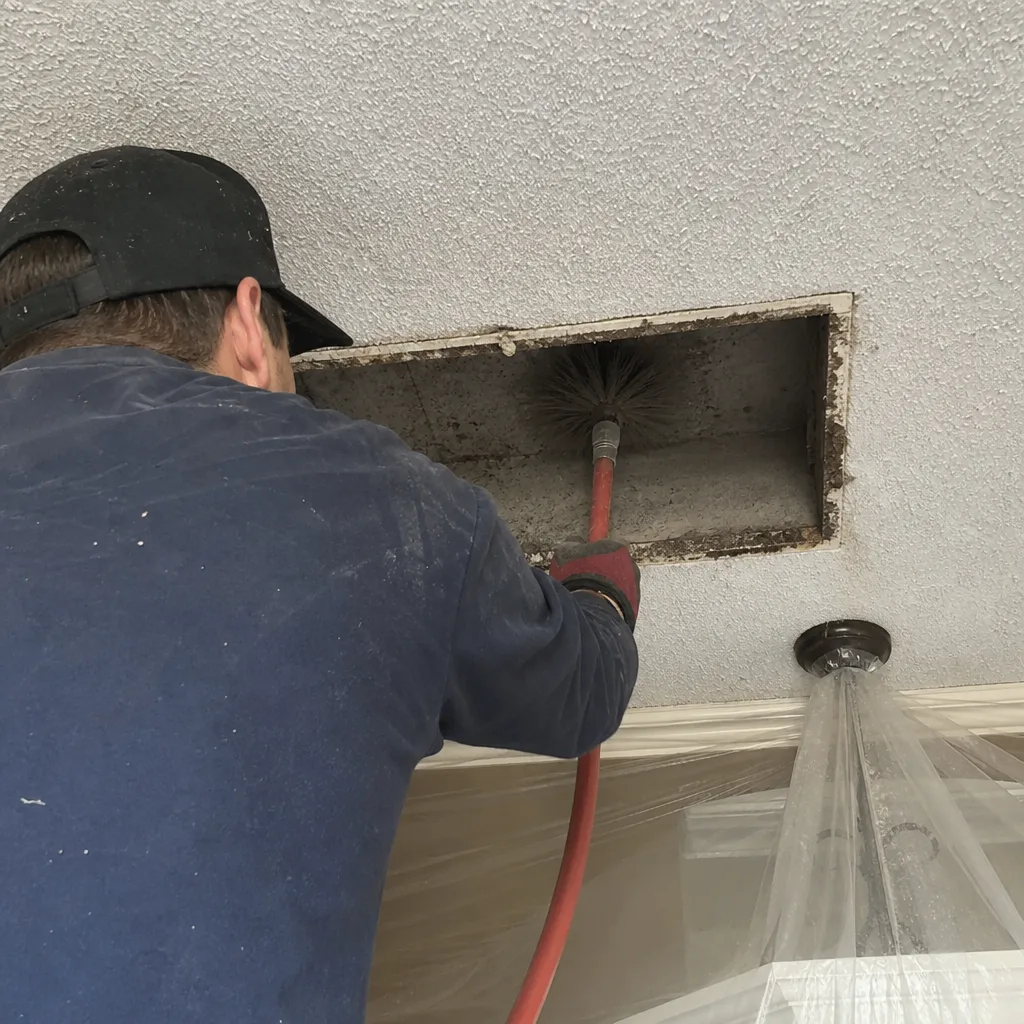
Whole-system duct and dryer vent check with before-and-after photos - you see exactly what came out of your vents
That "$99 whole-house special" is a bait ad - the real number appears once they are in your hallway, or the "clean" is a shop-vac at the register. We photograph the inside of your ducts before and after instead.
Air Duct Cleaning Maintenance Schedule: What to Do and When
The most repeated piece of duct cleaning advice is also the most misleading: clean your ducts every three to five years. That figure gets passed around as if it were a law of physics, but it was never meant to be a universal rule. It describes a baseline home with no pets, no smokers, no recent renovation, and relatively new ductwork. Most Concord homes don’t fit that description. A house with one dog, a 20-year-old flex duct system, and a recent kitchen remodel can hit the criteria for cleaning in under two years. This guide explains what actually drives contamination rates, how to build a condition-based schedule instead of a calendar one, and what to do between professional cleanings.
Quick Answer
There is no single correct interval for air duct cleaning. The right schedule depends on what’s in your home: pets, smokers, renovation dust, local pollen load, and the type of duct material. A practical rule is to inspect your system once a year and clean when you see or smell the triggers described below, typically every two to four years for most Concord homes with pets or allergy sufferers, and every five to seven years for homes with no pets and no recent work. Duct Cleaning Concord builds a written baseline after every cleaning so the next decision is based on comparison, not guesswork.
Styles & brands we work with
- Whole-home duct cleaning
- Dryer vent cleaning
- Camera inspection
- Sanitizing & deodorizing
Table of Contents
- Why a Calendar-Based Schedule Falls Short
- The Condition-Trigger Checklist: When to Actually Clean
- How Duct Material Changes Your Timeline
- Seasonal Timing in Concord, NC
- What You Can Do Between Professional Cleanings
- The Post-Cleaning Baseline: What a Technician Should Document
- Dryer Vent Maintenance: A Separate, Higher-Stakes Schedule
- When to Call a Professional Instead of Waiting
Why a Calendar-Based Schedule Falls Short
A fixed interval measures time. Duct contamination is driven by what enters the system and where it settles. Those two things vary enormously from one house to the next, even on the same street in Concord. Two neighbors with identical square footage can have wildly different accumulation rates because one has two cats and the other has none.
The variables that matter most:
- Pets. A single dog or cat roughly doubles the rate at which dander and hair accumulate on the interior surfaces of ductwork. Two large dogs can triple it. Pet dander is sticky and clings to flex duct in a way it does not to clean sheet metal.
- Smoking indoors. Tobacco smoke leaves an oily film inside ducts that catches dust and never fully dries out. Systems in smoking homes collect debris significantly faster and usually need cleaning sooner.
- Recent renovation. Drywall dust, sawdust, insulation fibers, and construction debris get pulled into return ducts during work. A single major renovation can put years’ worth of accumulation into a system in a few weeks.
- Local pollen load. The Piedmont region of North Carolina has a long, heavy spring pollen season. Homes that keep windows open or run a system with a low-grade filter pull in significant pollen each spring.
- Duct material and age. Flex duct with visible ridges and fiberboard with a slightly porous surface trap debris faster than smooth sheet metal.
- Filter discipline. A cheap fiberglass filter changed on schedule is better than a premium filter run three times past its limit.
None of those variables appear in the “every three to five years” rule. That’s why the rule is a starting point, not a schedule. If you want a genuinely useful answer to how often your air ducts should be cleaned, the honest response is: it depends on your home, and the first step is a look inside the system.
The Condition-Trigger Checklist: When to Actually Clean
A trigger-based schedule works by watching for specific signs rather than circling a date on the calendar. When any one of these conditions is met, it’s time to schedule a cleaning. Many Concord homes hit one or more of these within two years of their last service.
- Visible dust on register surfaces. Remove a supply register cover and look at the flap. A thin film of dust is normal. Caked, dark, or fuzzy buildup on the grille and the boot behind it means the system needs attention.
- Persistent dust on furniture. If dust returns to horizontal surfaces within a day or two of dusting, and your filter is fresh, the source is likely the ductwork.
- Musty or stale smell when the system starts. Odor from the vents within the first minute of the blower turning on usually indicates organic buildup on duct surfaces.
- A pet arrived since the last cleaning. New pet in the home is a legitimate reason to move up the schedule by a year or more.
- Renovation inside the home. Any drywall work, flooring replacement, or cabinet installation produces airborne debris. The system needs cleaning after the work is finished.
- Filter changes need to be more frequent than before. If your filter used to last three months and now lasts six weeks, the system is moving more debris than it used to.
- Cold or allergy symptoms that improve when you leave the house. This is a signal, not a diagnosis. It’s worth having the ducts inspected.
- Visible mold at a register or on the duct liner. Any visible mold is a stop-and-call situation. We use Abatement Technologies containment and filtration equipment specifically because mold-adjacent systems need to be handled carefully.
Any single trigger is enough to justify an inspection. Two or more are enough to schedule cleaning without waiting. For most Concord homes with a pet and aging flex duct, this checklist will hit a trigger inside two years.
How Duct Material Changes Your Timeline
The material inside your ducts has a lot to do with how quickly they get dirty. Three types dominate residential construction in this area, and each behaves differently.
Sheet metal (galvanized steel)
Smooth sheet metal is the easiest duct material to clean and the slowest to accumulate debris. Dust settles, but it doesn’t stick the way it does to fabric-lined surfaces. A well-sealed sheet metal system with no pets and a good filter can comfortably go five to seven years between cleanings. A professional-grade rotary brush such as the Rotobrush system used by air duct cleaning brings sheet metal back to a near-original finish.
Flexible duct (flex)
Flex duct is corrugated, which gives dust and dander thousands of small ledges to settle on. It’s the most common duct material in newer construction around Concord, and it’s also the fastest to collect buildup. Homes with flex duct and pets typically need cleaning every two to three years, not five. Flex can also sag or crush over time, which reduces airflow and worsens accumulation. Duct repair by a specialist is often the smarter call than cleaning if a run has been crushed or disconnected.
Fiberboard (duct board)
Fiberboard is a rigid, fiberglass-based material with a slightly porous interior. It traps debris quickly and is more delicate to clean than sheet metal. It also absorbs moisture more readily, which is why fiberboard systems in humid stretches of the year are more prone to microbial growth. Cleaning fiberboard requires lower-pressure tools and a careful hand. A Nikro vacuum setup is gentler on the liner than a high-pressure rotary brush alone.
The practical takeaway: if your home has flex or fiberboard, shorten the interval. If it has sealed sheet metal, you can safely lengthen it. This is one of the reasons a truck telling every customer “every three to five years” is not actually telling you anything useful.
Seasonal Timing in Concord, NC
The best time to clean air ducts in Concord is late winter, just before the spring pollen season gets going. The reason is simple. Cleaning after pollen has already blown through the system means you’ve spent the cleaning budget and immediately re-contaminated the ducts.
Spring pollen in this part of North Carolina runs from late February through April, with pine pollen coating every outdoor surface for a few solid weeks each year. Homes that open windows during that window pull in a heavy load. Homes whose HVAC systems run continuously with the windows closed still draw pollen through the return, especially if the filter is below MERV 8. Scheduling a cleaning in February means the system is starting the pollen season clean, and the filter has weeks of useful life ahead of it.
Summer brings heavy HVAC runtime and high humidity. If your ducts have any microbial buildup, summer is when a musty smell becomes most noticeable. Cleaning in late spring or early summer helps, but it’s a second-best window compared to late winter.
Fall is the second-best window. Pollen load drops, humidity falls, and the system starts the heating season clean. That said, if you’re going to clean once a year, aim for February.
Winter cleaning is fine but usually unnecessary unless you’ve just finished a renovation or bought a home. If you’re moving into a new place in Concord, get the ducts inspected before the first heating season, not after. You don’t know the previous owner’s pet or smoking history, but the ducts do. Inspecting first and cleaning when the inspection calls for it is the head start the schedule needs.
What You Can Do Between Professional Cleanings
The best schedule only works if the home isn’t fighting itself between cleanings. A few low-cost habits make a real difference in how fast the ducts get dirty again.
Filter grade and change schedule
MERV 8 is the sweet spot for most homes. Filters rated lower than that, typically the cheap blue fiberglass panels, let through too much fine dust. Filters rated MERV 13 and above can be too restrictive for many residential systems and reduce airflow, which can cause other problems. Proper filter selection is genuinely different from “buy the most expensive one on the shelf.”
- MERV 8: the right default for most homes. Change every 90 days. Every 60 days if you have pets.
- MERV 11: reasonable for allergy-sensitive homes where the blower can handle the extra restriction. Change every 60 to 90 days.
- MERV 13: appropriate for some newer systems, but verify the blower can handle it. A restrictive filter that shortens blower life is a false economy.
- Reusable washable filters: clean monthly. These are rarely as effective as a good disposable filter, but monthly cleaning keeps them usable.
Register vacuuming
Vacuum the face of your supply and return registers monthly with a brush attachment. This removes surface dust before it gets pulled back into the system. On return registers, the ones that suck air in, hold the vacuum just in front of the grille rather than against it. Vacuuming against a return grille can push debris past the filter. That small technique detail is worth remembering, and it’s one of the reasons register maintenance is more useful than it sounds.
Filter and evaporator coil check
Check the filter at the air handler once a month, even if you only replace it on a schedule. A filter that has visibly loaded up early is a signal that the system is moving more debris than usual. Inspecting the evaporator coil face once a year also catches debris that bypassed the filter. A coil caked in dust is often the real cause of poor airflow, not the ducts themselves.
Humidity control
Indoor humidity above 55% encourages microbial growth on duct surfaces, particularly fiberboard. A properly sized dehumidifier or a well-maintained HVAC system in cooling mode usually holds things in range. This one habit rarely gets attention and pays off more than most homeowners expect.
Whole-home air quality equipment
If your home has a Honeywell or Aprilaire whole-home air cleaner, media cabinet, or humidifier installed on the HVAC system, those components need their own maintenance. A clogged Aprilaire pad or a Honeywell media filter past its change date will feed debris back into the ducts no matter how clean the interior is. We work with both brands because good air quality equipment is worth knowing intimately. If it’s on your system, part of the schedule belongs to it.
The Post-Cleaning Baseline: What a Technician Should Document
A professional cleaning is only half the job. The other half is documentation, and it’s what separates a real maintenance schedule from a repeat visit every few years. Without a baseline, the next service call is a fresh guess. With one, it’s a comparison.
After a cleaning, your technician should leave you with a written record covering at least the following:
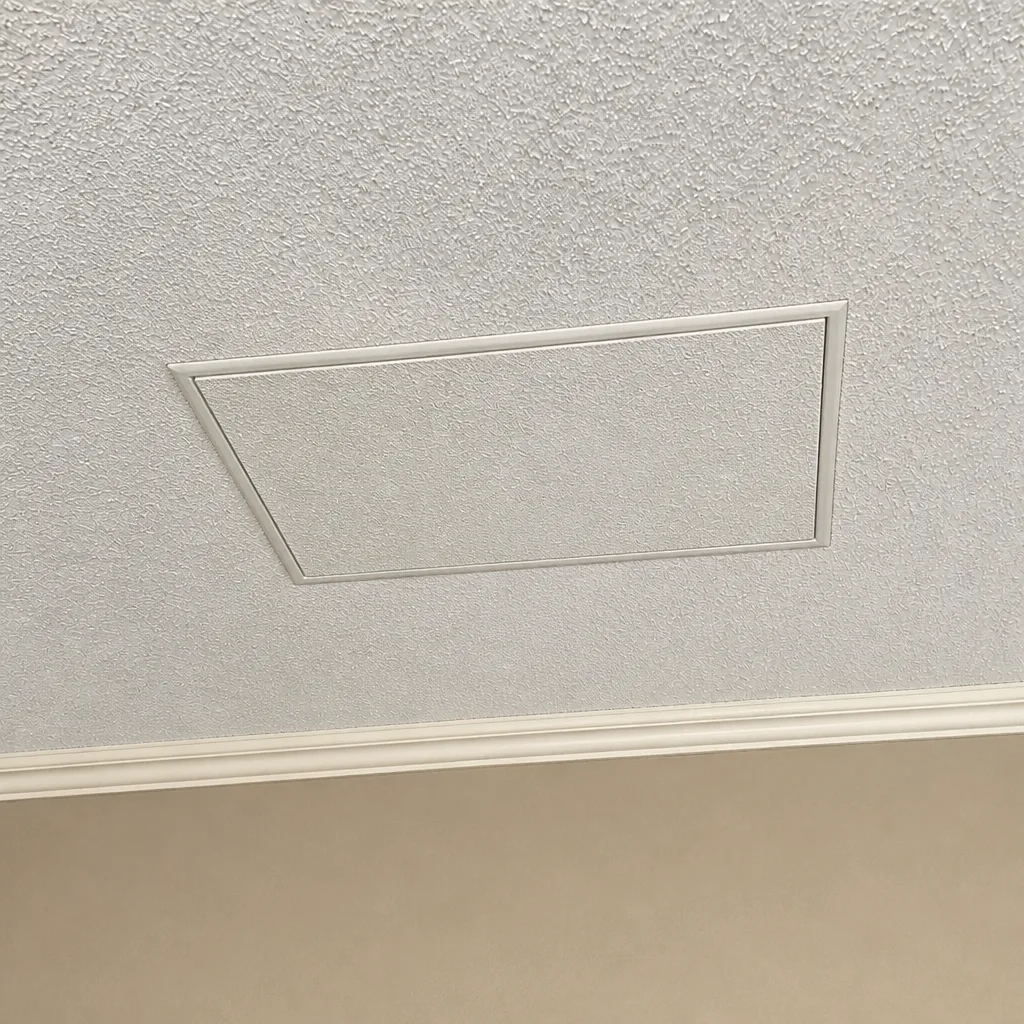
- Before-and-after photos of the inside of each main trunk and at least several branch runs. Photos taken before the tools go in and after they come out, from the same angle.
- A list of every duct run inspected with its condition noted: clean, moderate buildup, heavy buildup, or damaged.
- Any duct damage found during the cleaning: crushed flex runs, disconnected joints, torn liner, gaps at the boots. This is where duct repair comes in. If a flex run is torn or collapsed, cleaning it without repairing it just leaves a problem in place.
- The filter position and grade used at the air handler, and a recommendation for the next replacement date.
- A written baseline description of the system condition so the next inspection has something to measure against. “Interior of main return shows light dusting” is a useful statement. “Cleaned” is not.
That baseline is what makes a condition-triggered schedule work. Next time you call, you can say: “The main return was clean in February. The filters are loading in half the time. What’s changed?” A technician with photos and notes from the last visit can answer that question. A technician without them is guessing.
Dryer Vent Maintenance: A Separate, Higher-Stakes Schedule
Dryer vents are a different system with a different schedule and a much higher safety threshold. Lint buildup in a dryer vent is one of the leading causes of residential house fires, and it accumulates continuously with every load of laundry. This isn’t a “clean every few years when convenient” item.
A practical schedule:
- Inspect the vent every six months. That doesn’t always mean a professional cleaning. Listen for longer-than-usual dry times, feel for extra heat at the back of the dryer, and check the outdoor flap for lint.
- Professional cleaning every 12 to 18 months for a typical household running several loads a week. Shorter interval if the vent run is long, has multiple bends, or vents to the roof.
- Clean immediately if drying time has doubled, if the dryer feels unusually hot, or if the outdoor vent flap isn’t opening fully during operation.
Dryer vent cleaning is a standalone service at Duct Cleaning Concord for exactly this reason. You don’t need a full duct cleaning visit to have your dryer vent cleared safely. If your dryer has been slower to dry and warmer to the touch than usual, get the vent checked before another load runs.
When to Call a Professional Instead of Waiting
Some situations don’t benefit from the schedule. They benefit from a call.
If you see visible mold on duct surfaces or at a register, don’t wait for a scheduled cleaning. Any sign of a musty smell that returns quickly after register cleaning, or unexplained allergy symptoms that improve away from home, are worth an inspection. If you’ve just finished a renovation, especially one that involved drywall, flooring, or cabinet work, the system needs cleaning soon after the dust settles, not years from now. Newly purchased homes fall into the same category. So does any home with a pet that arrived since the last cleaning, or any home where filter changes have sped up noticeably.
No single discipline handles every service you might discover during the process. If the cleaning reveals crushed flex duct, torn liner, or disconnected joints, the repair should be done by the same provider. Duct Cleaning Concord handles cleaning, dryer vent work, and duct repair in-house, so nothing gets handed off to a second contractor. Estimates in Concord are free. Call (888) 687-3361. We answer 24/7. Fast dispatch from 7am to 7pm, Sunday through Friday.
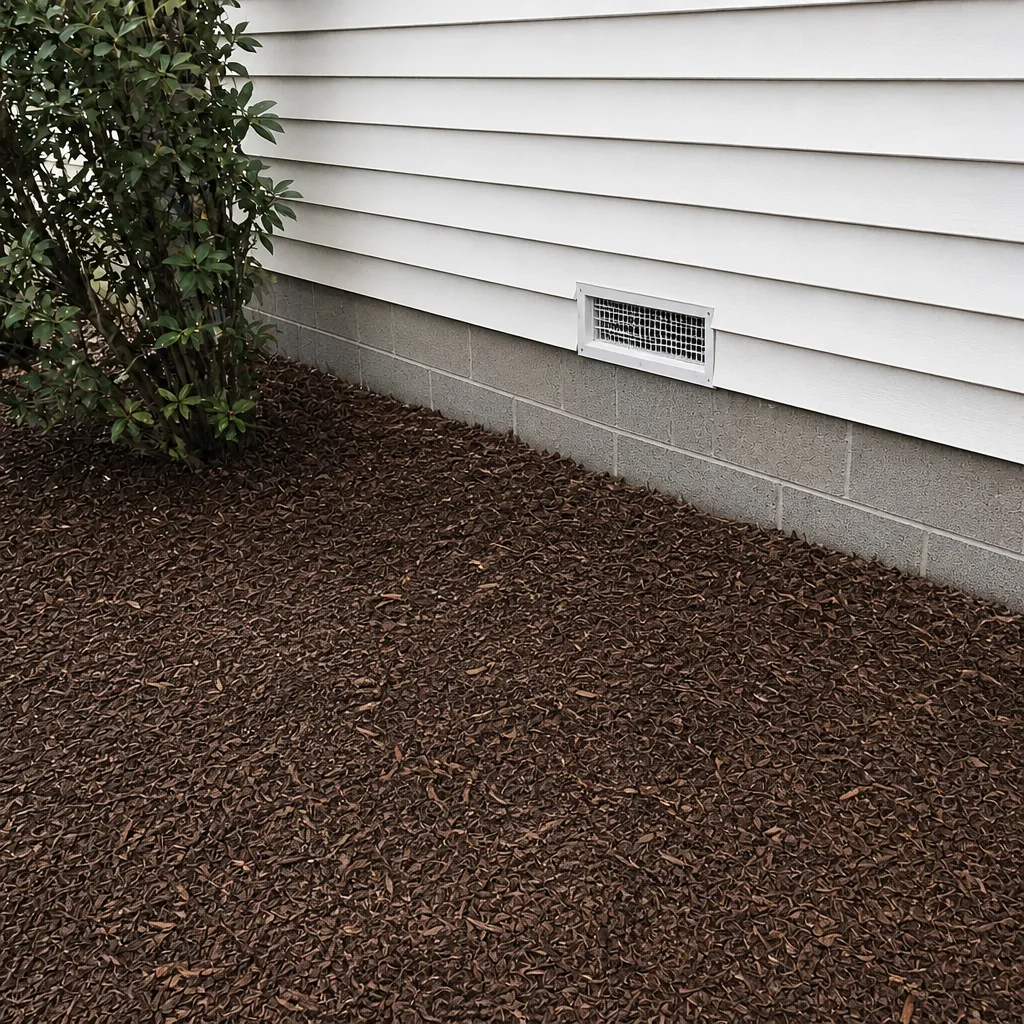
See the difference
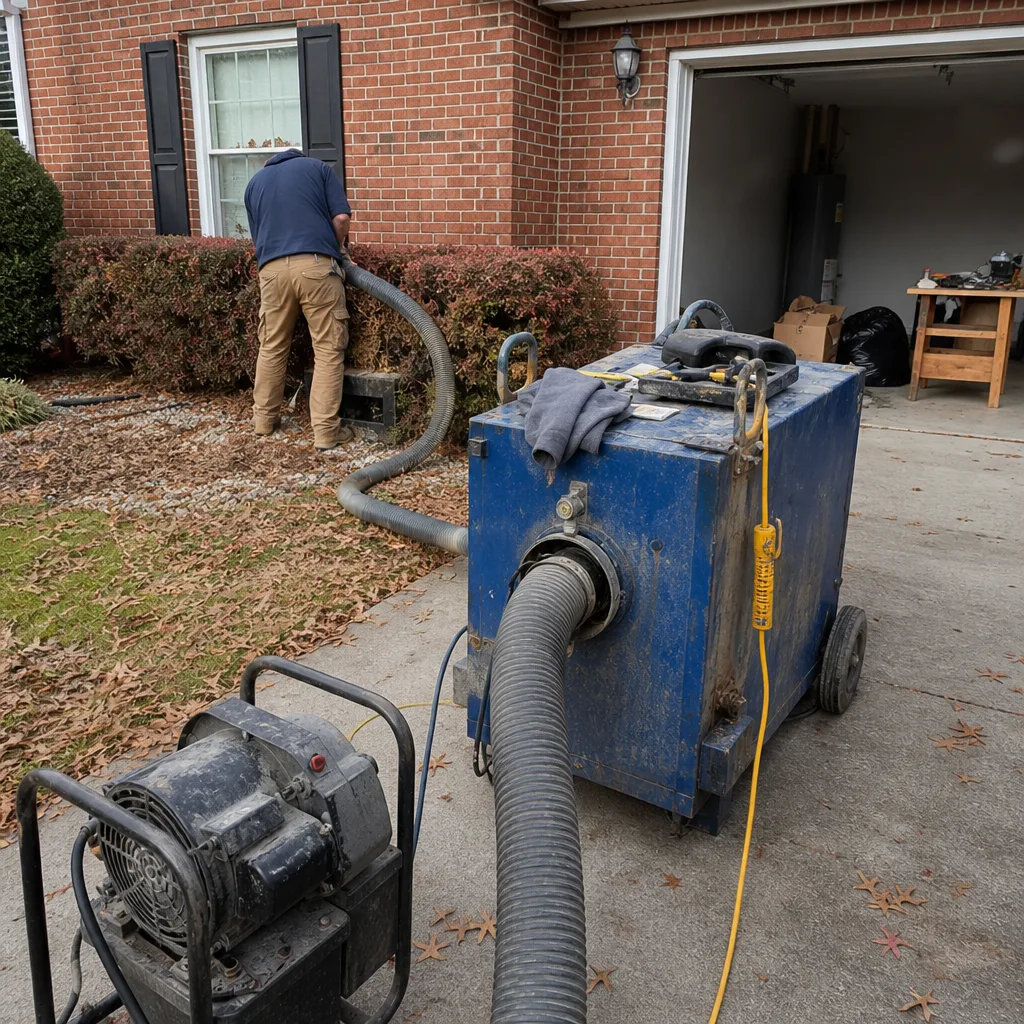 Before
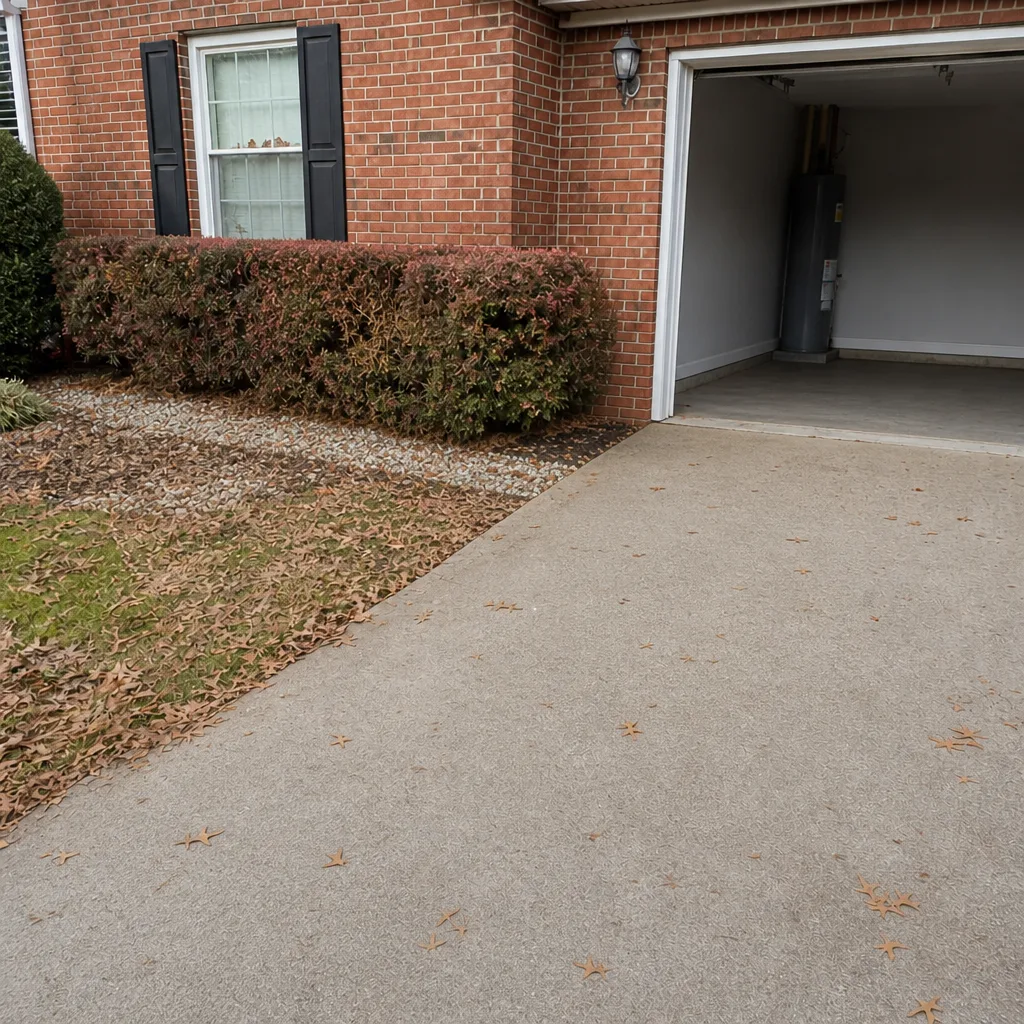 After
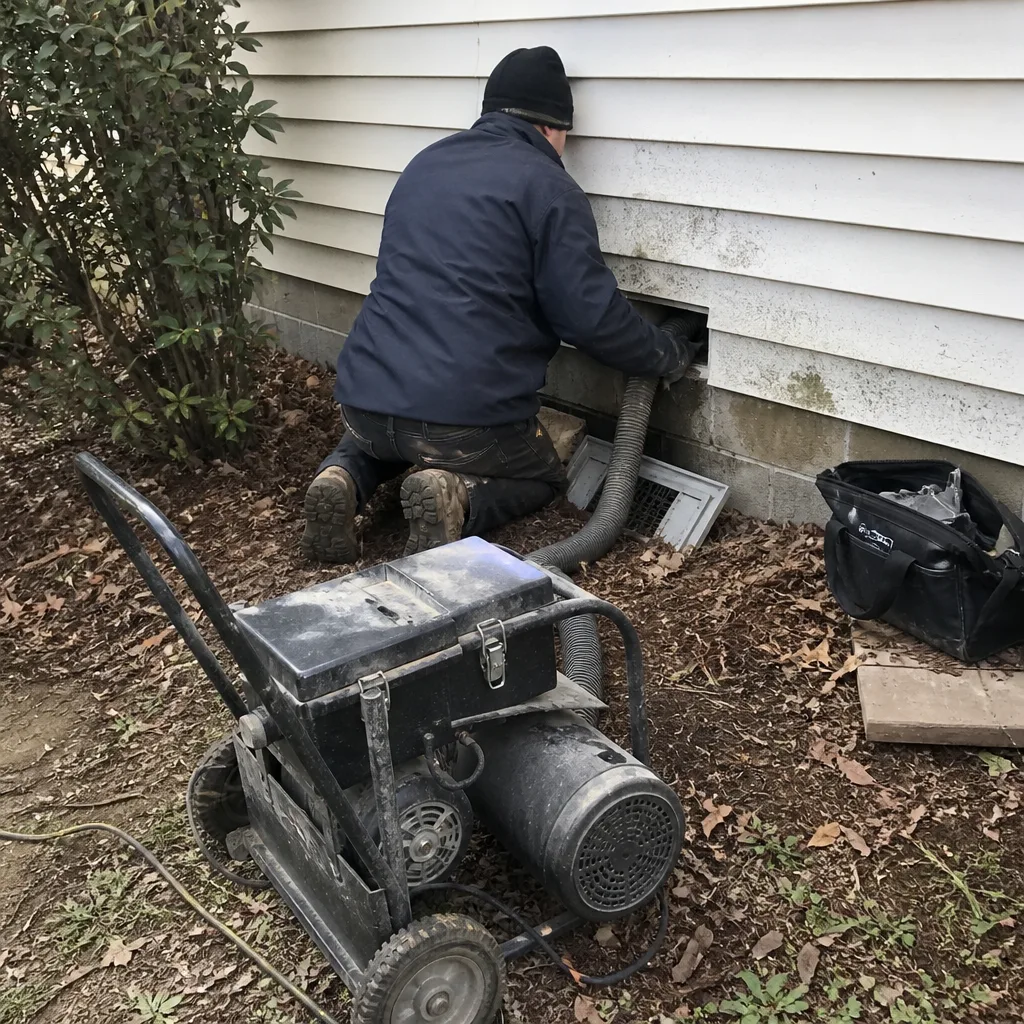 Before
 After
 Before
 After
Common Mistakes to Avoid
- Trusting the calendar over the inspection. The “every three to five years” rule exists, but it’s a baseline for a home with no pets, no smokers, no renovation, and new ducts. Concord homes with a dog and 20-year-old flex duct usually hit cleaning criteria in under two years, so use the trigger checklist instead of the calendar.
- Cleaning after pollen season instead of before. Cleaning in April or May means the pollen has already settled in and you’re cleaning it out to make room for the summer dust load. Late February is the better window in Concord.
- Upgrading to a MERV 14 filter “for extra protection.” A filter too restrictive for the blower reduces airflow, shortens equipment life, and can increase buildup in the system. MERV 8 is the right default for most homes. Match the filter to the system, not the marketing.
- Skipping the dryer vent because the ducts were cleaned. They’re separate systems with separate schedules. A duct cleaning visit does not include dryer vent work unless it’s booked specifically. Lint in the vent keeps accumulating regardless.
- Accepting a cleaning with no before-and-after photos. If you can’t see the ducts before and after, you can’t verify the work was done. Any serious provider documents the condition of the system both ways.
- Hiring a company that cleans ducts as an HVAC upsell. Generalist HVAC companies run a duct cleaning service alongside furnace repair, installation, and maintenance. The equipment and process are different from what a specialist uses. Purpose-built equipment such as Rotobrush or Nikro gear is not what shows up on the truck of a company that does duct cleaning twice a month.
- Cleaning ducts but ignoring duct damage. A torn or crushed flex run will fill up faster than any healthy duct in the house, and cleaning it without repairing it is money thrown away. Pair cleaning with an inspection that includes repair where needed.
Frequently Asked Questions
Most Concord homes need professional cleaning every two to four years, depending on pets, smoking, renovation activity, and duct material. Homes with no pets, no smokers, and sealed sheet metal can safely reach five to seven years. The better schedule is triggered by conditions, not a fixed number: inspect once a year and clean when any trigger is met. Call (888) 687-3361 to arrange an inspection. Estimates are free, and you’ll get a written condition report so you know exactly where the system stands.
Late winter, ahead of the spring pollen season, is the best window in Concord. Cleaning in February or early March means the system starts pollen season clean rather than getting contaminated right after a fresh cleaning. Fall is a reasonable second choice. Cleaning right after pollen season has passed is the least useful timing, because you’re paying for the cleaning and immediately re-introducing pollen through the filter and return.
Inspecting every six months and professional cleaning every 12 to 18 months is a workable baseline for most households. A long vent run, multiple bends, or a roof-vented dryer pushes that interval shorter. The clear signs it’s time are longer dry times, extra heat at the back of the dryer, and lint visible at the outdoor vent flap. Dryer vents are a leading cause of residential house fires, so err on the shorter schedule rather than the longer one.
Duct contamination rates depend on what’s inside your home, not the calendar. Pets, indoor smoking, a recent renovation, and the type of duct material are the biggest variables. Flex duct and fiberboard trap debris faster than smooth sheet metal. A home with one dog and aging flex duct can genuinely need cleaning in under two years while the neighbor’s sealed metal system with no pets goes five or more years between cleanings.
A proper post-cleaning report should include before-and-after photos of the inside of the ducts, a list of every run inspected with its condition noted, any duct damage found, the filter grade and position used, and a written baseline description of the system. Without that documentation, the next cleaning can’t be compared against anything. If you’ve had a previous cleaning with no report, we take a fresh baseline so you have something to measure against going forward.
Usually yes, you can safely wait, provided your filter is fresh and register dust is minimal. Ducts don’t fail on a schedule. That said, there are a few conditions where skipping is the wrong call: a pet that arrived since the last cleaning, a recent renovation, or a newly purchased home with unknown history. Any visible mold at a register or on the duct liner is also a sign to stop waiting and inspect. Otherwise, a look-and-listen check once a year plus a register dust check annually is a reasonable alternative to a cleaning visit.
The Bottom Line
There’s no universal interval for air duct cleaning, and treating “three to five years” as a prescription leads Concord homeowners to spend money on cleanings they don’t need while other homes go years past the point of a real problem. Use the trigger checklist, not the calendar. Prioritize a clean system going into pollen season, keep your filter grade right-sized to your equipment, and don’t forget that dryer vent work is a separate and more urgent schedule. Schedule an inspection once per year, get a written baseline every time you clean, and let the comparison decide the next call. That approach consistently costs less and delivers cleaner air than a sticker-date schedule ever will.
Call Duct Cleaning Concord at (888) 687-3361 for a free estimate. We answer 24/7. Fast dispatch from 7am to 7pm, Sunday through Friday. From a single-home inspection to multi-unit property management schedules in Concord, we build the plan around your system, not a generic calendar.
Written by the team at Duct Cleaning Concord, serving Concord since 2013.