
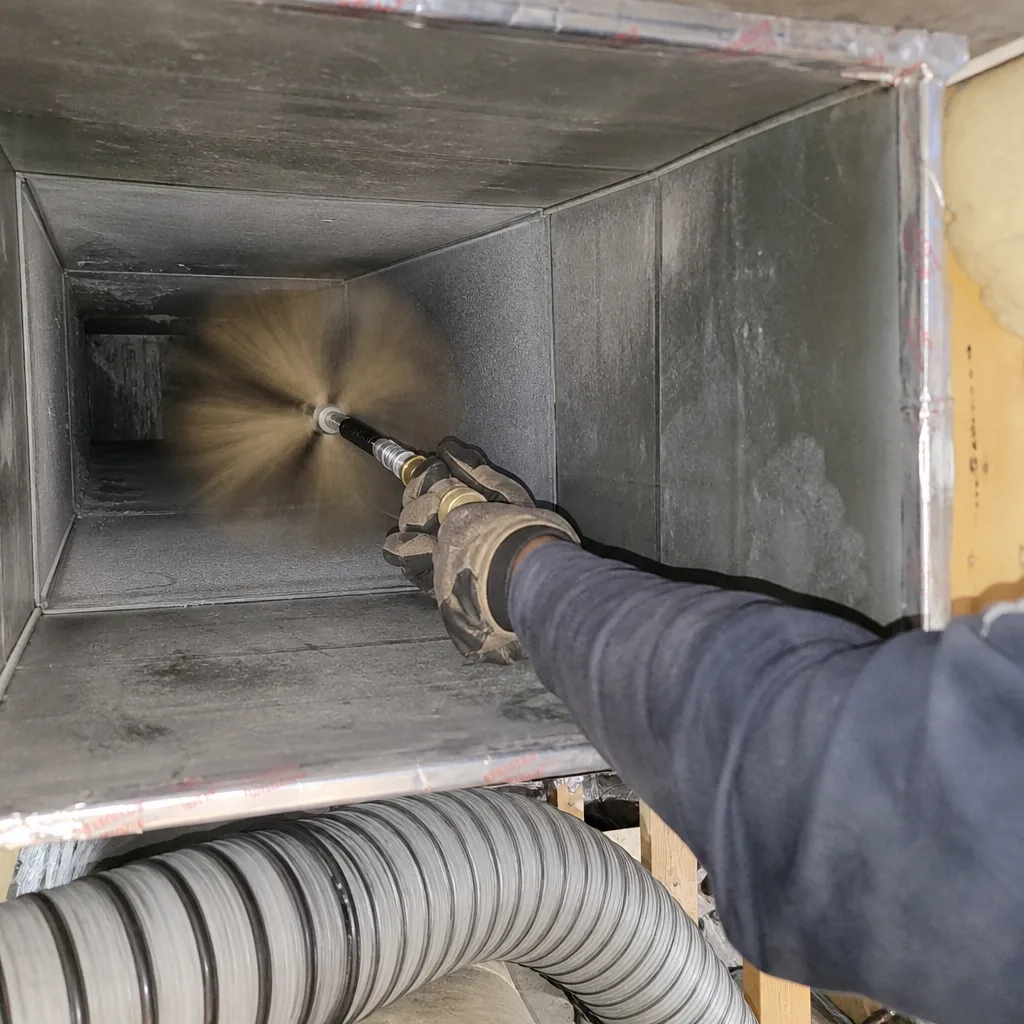
Last updated November 14, 2026
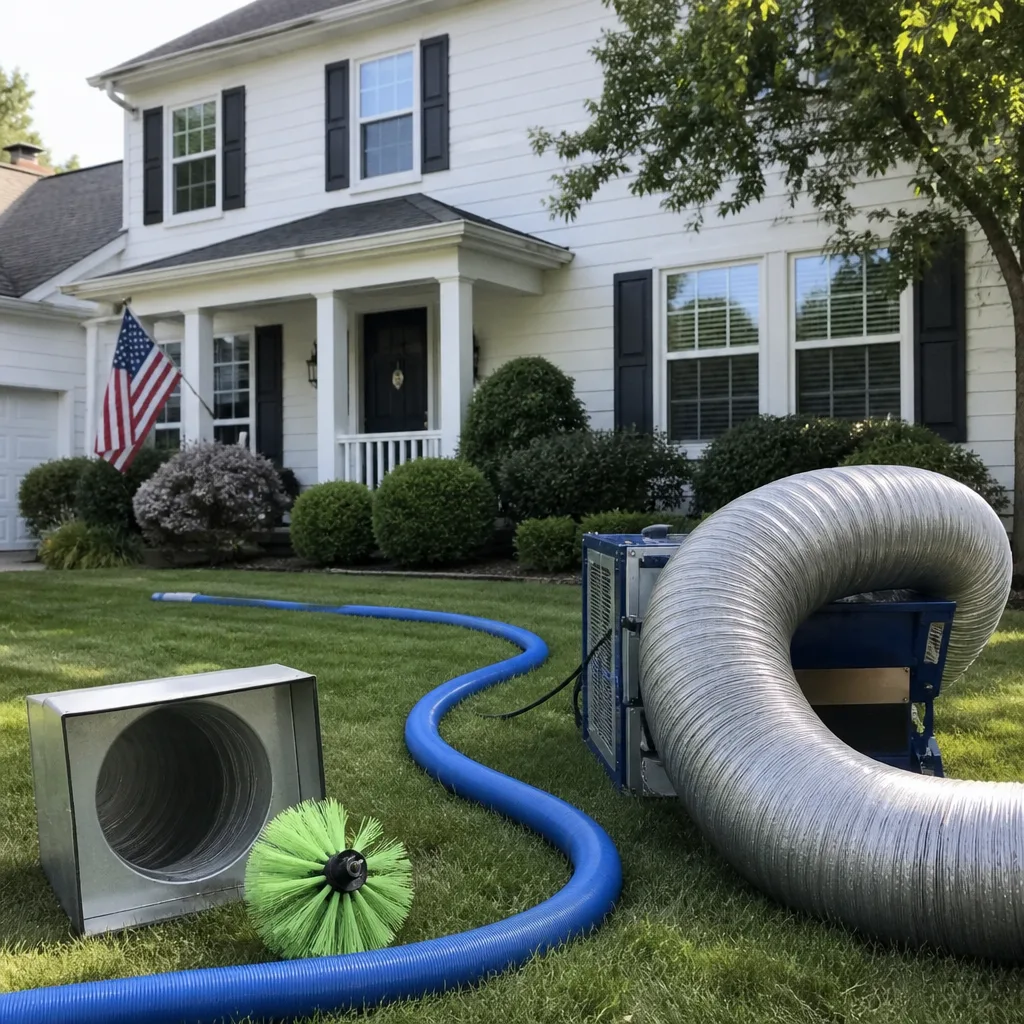 Whole-home duct cleaning
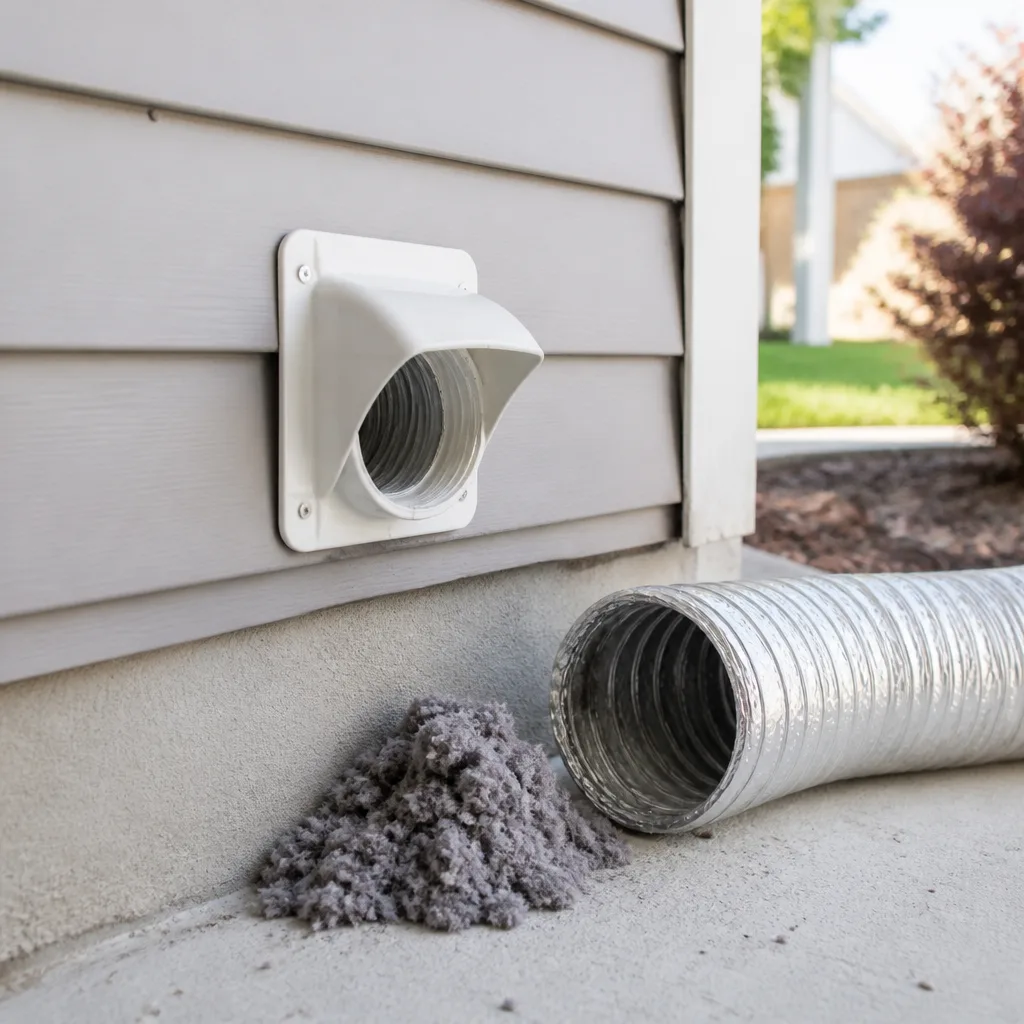 Dryer vent cleaning
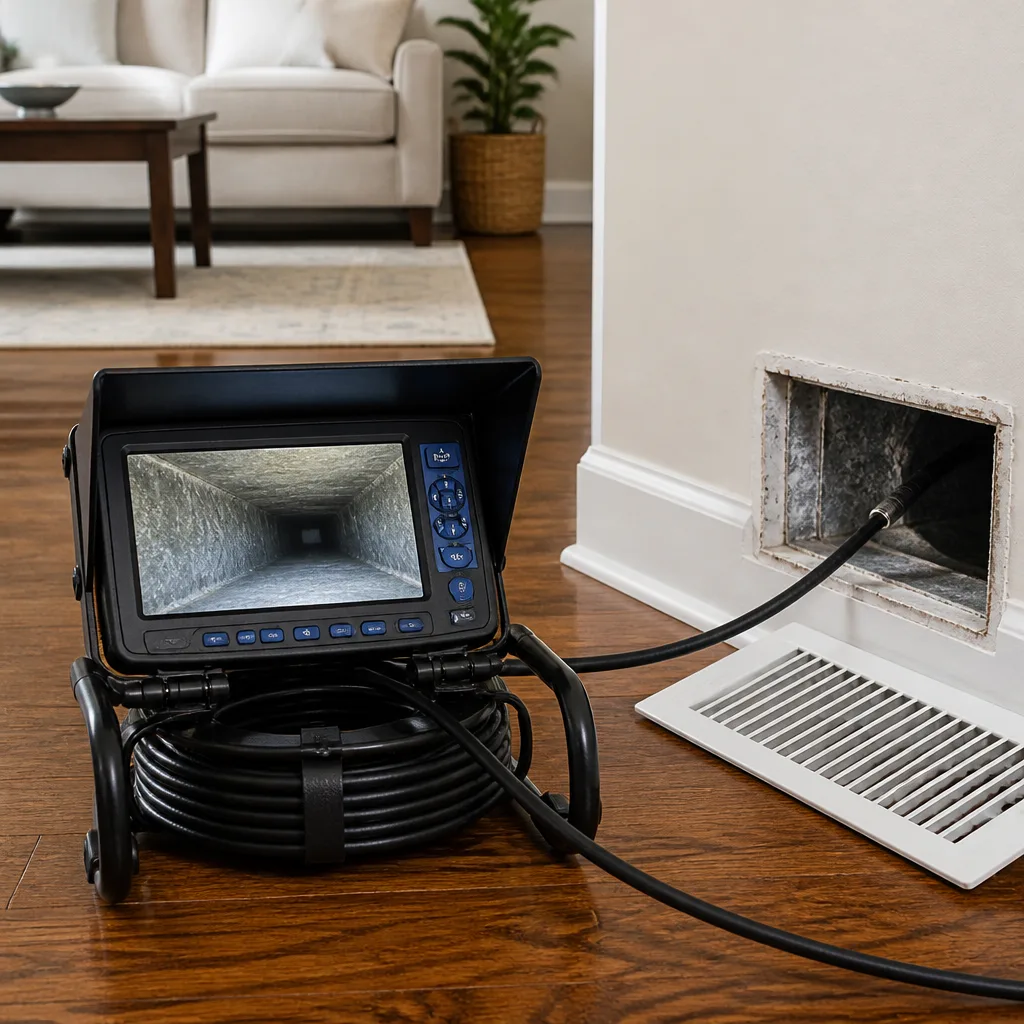 Camera inspection
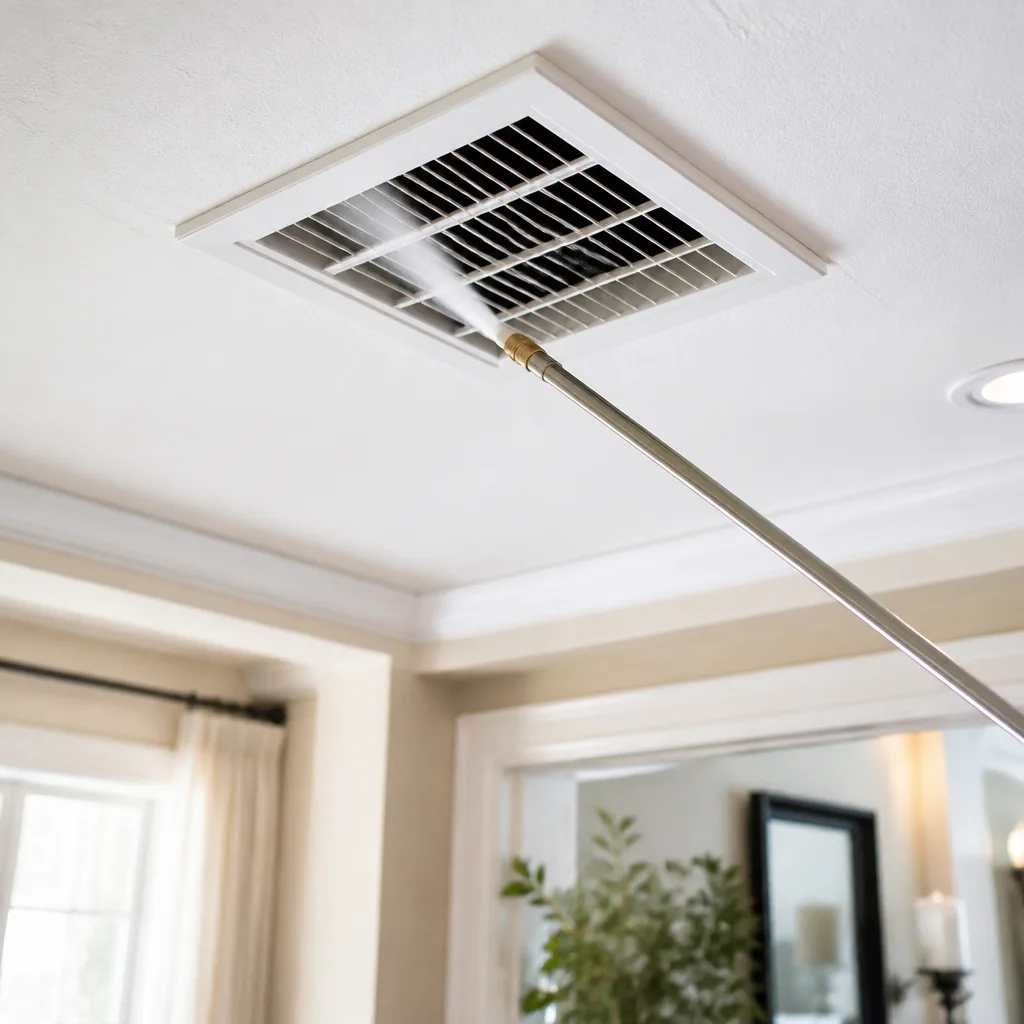 Sanitizing & deodorizing
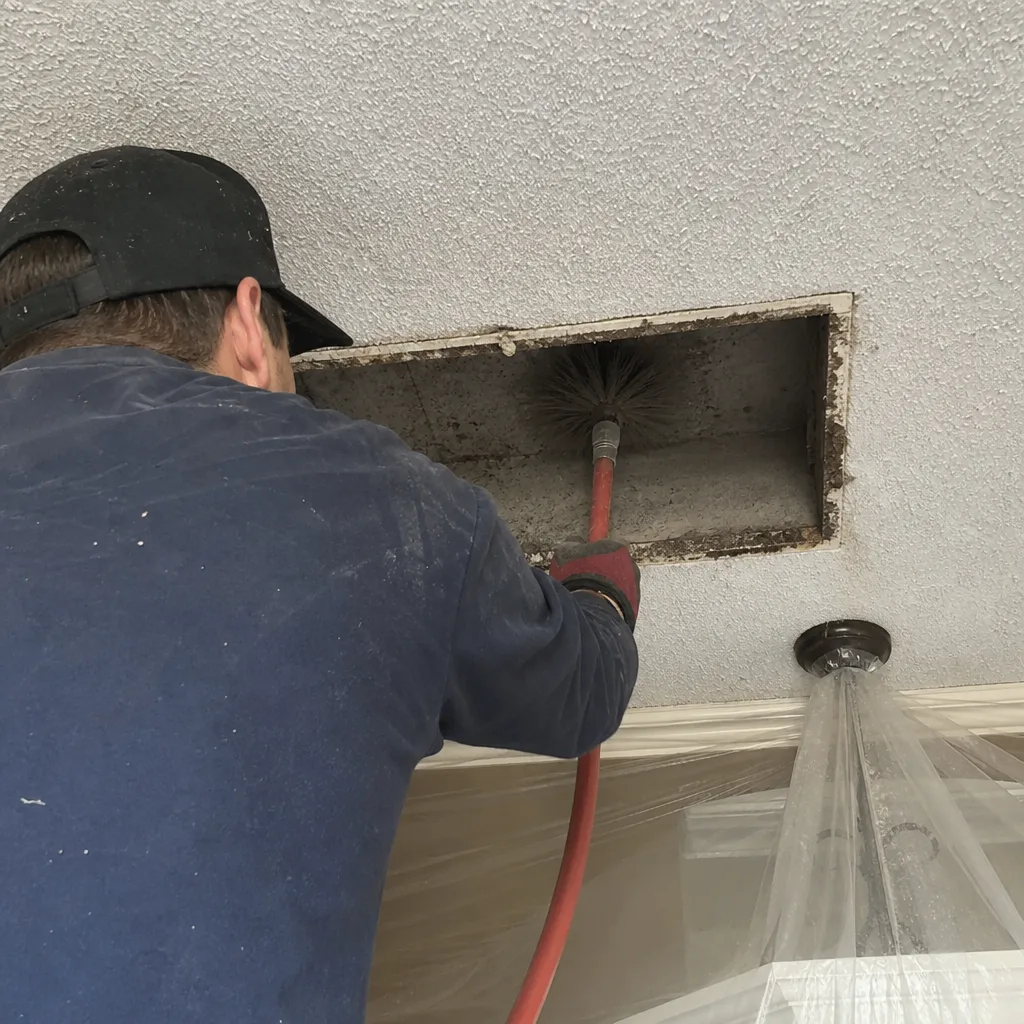
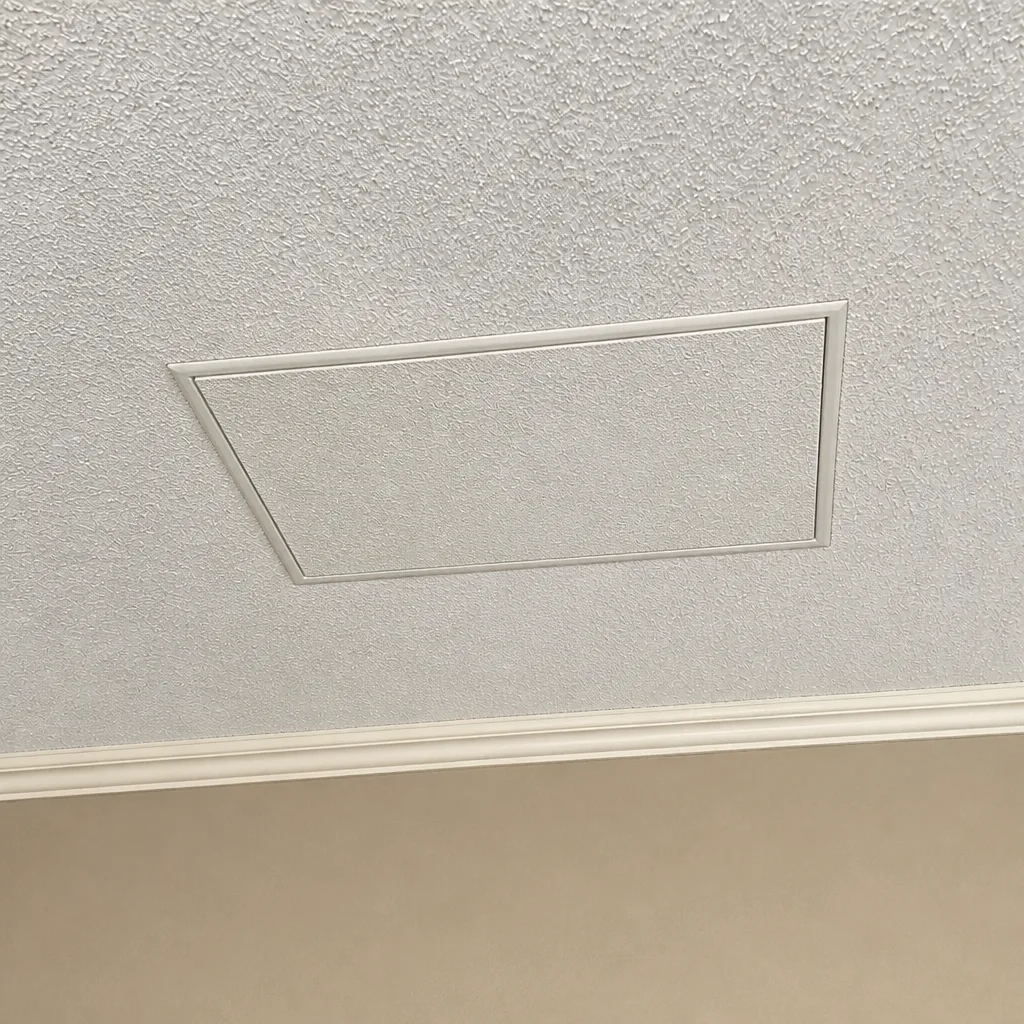
Whole-system duct and dryer vent check with before-and-after photos - you see exactly what came out of your vents
That "$99 whole-house special" is a bait ad - the real number appears once they are in your hallway, or the "clean" is a shop-vac at the register. We photograph the inside of your ducts before and after instead.
Air Duct Cleaning Warning Signs: A Concord Homeowner’s Reference Guide
Most warning lists point you to dust on the registers, a musty smell, and rising energy bills. By the time any of those show up, contamination has usually been circulating for months. The dust on the grille isn’t the start of the problem; it’s the point where the system finally tells on itself. And smell is the slowest signal of all: a mold colony venting into a room has typically been established for 6 – 18 months by the time you notice it. This guide covers the earlier signals – the ones that show up in static pressure, temperature spread, and allergy timing long before anything visible. You’ll learn how to read them, how to tell one kind of buildup from another, and what to ask for before you agree to any cleaning scope in Concord.
Quick Answer
Early warning signs of duct contamination in Concord are uneven room temperatures, higher static pressure on the system, fine gray felt-like deposits on register blades, and allergy flare-ups timed to the first weeks of heating or cooling season. Visible dust at the registers and musty odors are late-stage signals, not early ones. Ask for a borescope inspection before anyone quotes a cleaning scope.
Styles & brands we work with
- Whole-home duct cleaning
- Dryer vent cleaning
- Camera inspection
- Sanitizing & deodorizing
Table of Contents
- The Early Signals Nobody Tells You About
- Reading What Collects on Register Blades
- Three Smells, Three Different Problems
- Why Startup-Season Allergies Beat Year-Round Symptoms
- What a Borescope Shows That You Can’t See
- How Concord’s Climate Writes on Your Ducts
- For Landlords and Property Managers
- A Seasonal Checklist You Can Run Yourself
The Early Signals Nobody Tells You About
Airflow tells you before dust does. A duct system that’s starting to load up doesn’t announce it in the supply registers; it announces it in how the system behaves. The blower has to work against more resistance, and that resistance shows up as static pressure. When pressure climbs, rooms at the end of the longest runs lose the most. You feel it as a bedroom that never quite cools on a hot Concord afternoon while the hallway stays comfortable.
Here’s what to watch for in the weeks before any visible contamination appears:
- Temperature spread between rooms. If rooms that used to match now differ noticeably, pay attention. Measure at the supply register in two or three rooms during a steady run. Persistent gaps point to airflow problems, not a thermostat fault.
- Longer run times without a matching bill change. When the equipment runs longer but the house doesn’t get more comfortable, you’re often moving air through a restricted path.
- Weaker supply velocity at far registers. A tissue held at the register will flutter less at the end of the run than it did in past seasons. That’s a pressure signal you can read for free.
- Return grilles that pull harder than they should. A starved return makes the whole system noisy and inefficient.
- Filter loading faster than usual. If you’re changing the filter noticeably sooner than your own normal rhythm, the system is moving more particulate than it used to.
None of these alone proves contamination. But when two or three appear together, it’s worth scheduling an inspection before you commit to a cleaning. In our experience around Concord, the homeowners who catch problems at this stage end up with simpler, cheaper scopes than the ones who wait for visible deposits.
Reading What Collects on Register Blades
Not all buildup at the register is the same, and telling them apart changes the diagnosis. The residue on the blades of your supply grilles is a fingerprint of what’s been moving through the system, and it’s the cheapest thing you’ll ever inspect.
Fine gray deposits that feel like felt
This is typically pet dander and lint accumulation – soft, dense, gray, and it holds together when you rub it between your fingers. Homes with long-haired pets and wall-to-wall carpet tend to build it faster. It’s a sign of routine load, not necessarily a problem, but it tells you the filter is working hard and the load is high.
Gritty, angular, sandy residue
Construction and renovation dust behaves differently. It’s gritty, angular, and feels like fine sand. If you’ve had drywall work, flooring, or a kitchen remodel, this grit finds its way into returns and settles in the trunk lines – far from where the work happened. Renovation dust often sits in a duct system for years, and no register-level inspection will tell you how much is there.
Dark streaking that follows airflow direction
This is the one to take seriously. When dark streaks run along the register frame in the direction air moves, and especially when they have a slightly spread or fuzzy edge, you’re looking at what’s often microbial growth on the register face. It doesn’t confirm mold inside the ducts, but it does mean the conditions near the supply – moisture and organic load – are supportive of it. That warrants a professional inspection with a borescope, not a wipe-down.
Take a photo of each register type and note which rooms show which pattern. That record is worth more to a technician than a vague description, and it’s the difference between a guess and a proper scope.
Three Smells, Three Different Problems
People lump duct odors together, and that’s a mistake. The smell profile tells you what kind of problem you have, and the three common ones are treated very differently.
The dirty-but-not-moldy smell
This is a flat, dusty, closed-up smell that comes on when the system starts and fades after a few minutes. Think of a closet opened after a season. It’s organic load and settles from routine use, not moisture damage. Cleaning addresses it.
The mold smell
This is the damp, earthy, basement-like smell – the one you recognize from a wet towel left too long. It’s persistent, it gets stronger in humid weather, and it tends to concentrate at returns and in rooms nearest the air handler. In Concord’s summer humidity, that distinction matters: a house that smells earthy in July and neutral in October is telling you something about moisture, not just dust.
The dead animal smell
This is sharp, unpleasant, and specific – like a carcass. It often comes and goes as the system cycles, and it can be remarkably localized to one room or one branch. Squirrels and mice get into returns and flex duct through any gap they can find, and it’s a common call in older Concord homes with crawlspaces and attic runs. This is not a cleaning problem in the ordinary sense. It requires locating and removing the source, addressing the affected section, and then cleaning – and our work with Abatement Technologies containment gear is often what’s needed when a contaminated section has to be handled carefully.
The practical rule: if the smell is flat and dusty, plan a cleaning. If it’s earthy and worsens with humidity, get a borescope inspection first. If it’s sharp and animal-specific, call for a same-day look at the affected section.
Why Startup-Season Allergies Beat Year-Round Symptoms
Year-round allergies tell you almost nothing about your ducts. The signal that matters is timing. When people in a household start sniffling, sneezing, or waking with congestion in the first week or two of heating season – or the first weeks of cooling season in late spring – and the symptoms fade once the system has been running steadily, the ducts are the likelier culprit than the outdoor season.
The reason is mechanical. A duct system that’s sat idle for weeks accumulates settled particulate. On first startup, that load lifts in a concentrated burst and distributes through the house. If the household reacts to that first-week exposure and settles afterward, you’ve just watched the system demonstrate its own condition. Same house, same occupants, no change in outdoor allergens, but a clear reaction tied to the HVAC cycle.
Compare that with year-round symptoms that don’t track the system at all. Those are usually about outdoor allergens, pets, or something unrelated to the ducts. It’s a real distinction, and it’s one worth writing down for a few weeks: note when symptoms start, when they fade, and whether it follows the equipment. That log is more useful than any single impression.
One caveat: the first fall startup in a Concord home closed up all summer often concentrates stale air along with settled dust. Ventilate the house during the first run and note whether the reaction happens again on the next cycle. If it does, get the system inspected. If you’re already noticing this pattern and want a professional assessment of the full air duct cleaning scope for your home, start there.
What a Borescope Shows That You Can’t See
A borescope is a camera on a flexible cable that goes into the ductwork through a register or access point. It is the single most useful tool for deciding whether a system needs cleaning and what kind of cleaning it needs. No amount of register-level observation substitutes for it. Here’s why, and how a proper inspection usually goes:
- Access and route. The technician feeds the camera through a return or supply and works along the main trunk and a couple of branch runs. This takes minutes, not hours.
- Condition assessment. The camera shows whether the interior is lightly loaded, heavily loaded, or has localized problem zones – moisture, microbial growth, debris, or a pest issue.
- Joint and seam check. Loose joints and gaps show clearly on camera. They’re a common source of both leakage and contamination entry, especially in older Concord homes.
- Documentation. Good practice is to photograph what the camera sees, before any work, so you and the technician are looking at the same evidence.
- Scope decision. Only after seeing the interior can anyone honestly say what the job requires. A quote given before the camera goes in is a guess.
Before you agree to any cleaning, ask for a borescope inspection and ask to see the footage or photos. That single request filters out companies that plan to run a brush and a vacuum for an hour regardless of what’s actually in your ducts. It’s also the moment where a dedicated duct specialist separates from a generalist HVAC company doing duct work as an add-on. Professional equipment built for this work specifically – the Rotobrush rotary brush platform, Nikro vacuum systems, and Abatement Technologies filtration and containment gear – is what makes an honest scope possible in the first place. If you’d like an inspection with that equipment, our duct cleaning in Concord service is where it starts.
How Concord’s Climate Writes on Your Ducts
Concord sits in a climate with hot, humid summers and cold winters, and that swing has a predictable effect on duct systems. Summer humidity is the big factor. Moist, warm air finds its way into returns and trunk lines, and any cool surface inside the system – or any section that sits in a crawlspace or attic – can condense moisture. That moisture is what makes the difference between dust that’s just dusty and dust that becomes a substrate for microbial growth.
Winter reverses the pattern. Dry, cold air means the system runs more to keep up, returns pull harder, and any gaps in the ductwork leak conditioned air into unconditioned spaces. A house that feels drafty near a return in January is often not a window problem.
What this means for reading warning signs in Concord:
- Pay extra attention to the earthy, damp smell in July and August. If it’s seasonal with the humidity, that’s a moisture signal.
- Watch for dust streaks near returns in winter, when pressure differences are strongest.
- In homes with crawlspace or attic duct runs – common in Concord’s older neighborhoods – check whether insulation on the ductwork is intact and whether joints are sealed.
- Homes near areas where construction and renovation happen regularly see more of the gritty renovation dust settle in return lines, independent of the season.
None of this is a reason to panic. It’s a reason to know your own system’s weather pattern and check it at the transitions – late spring before cooling season, late fall before heating season.
For Landlords and Property Managers
Multi-unit properties need a slightly different warning-sign checklist. Tenant complaints arrive as vague symptoms – a unit that smells musty, an allergy complaint, a bedroom that’s always too warm – and converting those into a real diagnosis takes documentation. The duct system is usually the first place to check, because it’s shared infrastructure that no single tenant controls.
What to track across a portfolio:
- Unit-by-unit logs of temperature variance and seasonal complaints, so you can spot a pattern across the building rather than reacting to one tenant at a time.
- Register conditions per unit – especially dark streaking, which points to a moisture issue that may need the whole system looked at, not one branch.
- Dryer vent status per unit, since dryer vents in rental properties are a fire-risk item that’s easy to defer and expensive to defer too long.
- Borescope documentation for any unit you plan to clean, kept with the maintenance file, so you have a before-and-after record of what was done.
Having a record of inspection and cleaning work is also part of maintaining the liability compliance picture for the whole property. A dedicated duct specialist with commercial-grade equipment and containment gear can work through multiple units in a coordinated scope, which is a cleaner process than calling a different generalist for each building. To arrange an assessment across multiple units in Concord, call (888) 687-3361.
A Seasonal Checklist You Can Run Yourself
You don’t need tools to run a first-pass check. You need a notebook, a tissue, and about twenty minutes twice a year – once before cooling season and once before heating season. Here’s a simple routine:
- Walk every register and photograph the blades. Note whether deposits are fine and gray, gritty and sandy, or dark and directional.
- Test velocity at the farthest registers with a tissue. Compare to the closest registers. Noticeable weakness at the far end is a pressure signal.
- Run the system for ten minutes and note any smell, when it appears, and whether it fades.
- Check the filter and note its condition against your usual replacement rhythm.
- Note room temperature spread in two or three rooms during a steady run.
- Log symptoms in the household for the first two weeks of the season, and whether they track the system.
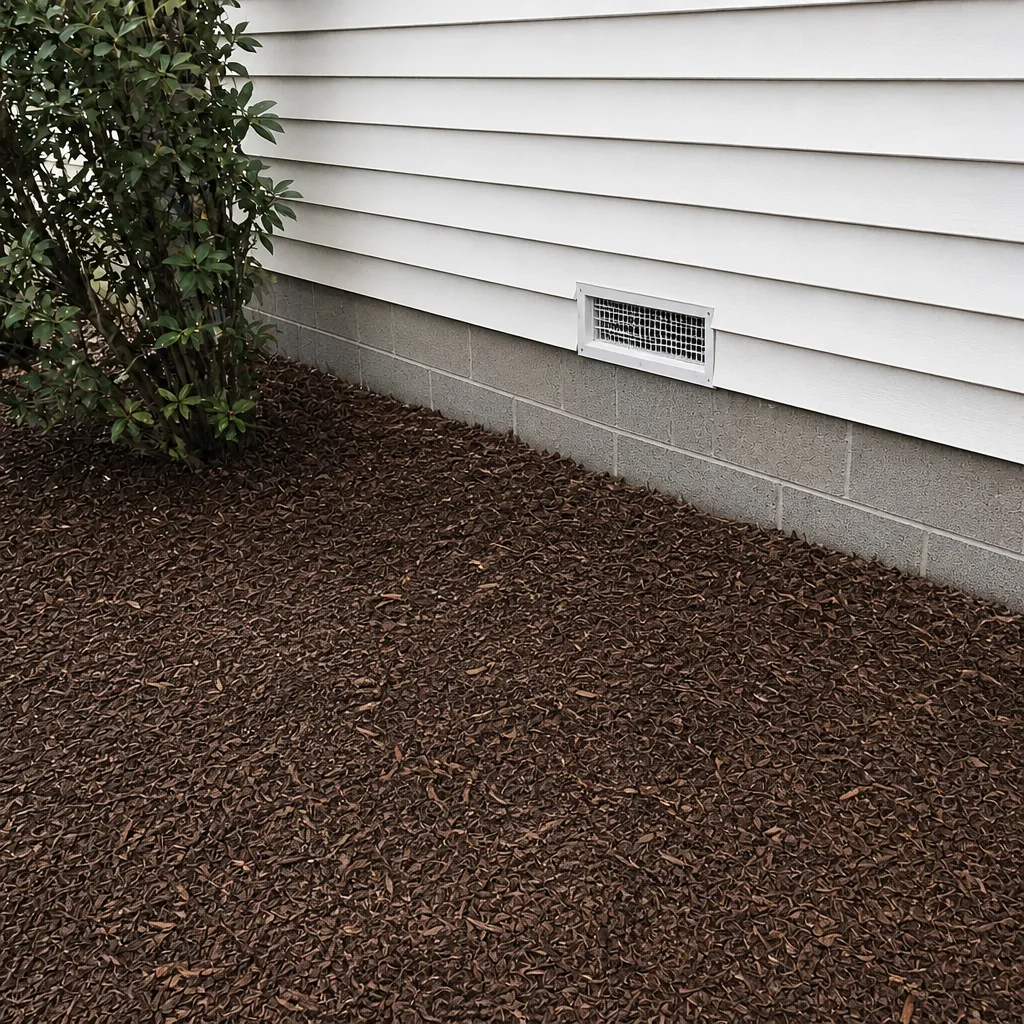
- Inspect the dryer vent exit outside the house for lint accumulation around the flap, which is a fire-risk check separate from the HVAC ducts.
Keep the notes across seasons. A single observation is noise; two seasons of notes is a pattern. When the pattern shows two or more of the early signals together, that’s the point to schedule an inspection. Separately, don’t forget the dryer vent cleaning side of the equation – it’s a distinct safety matter with its own warning signs and shouldn’t wait for an HVAC-season check. If any inspection turns up loose joints or damaged sections, our air duct repair service handles that in-house rather than sending you to a second contractor.
Common Mistakes to Avoid
- Judging condition by the registers alone. The register is the exit door, not the interior. Two systems can look identical at the grille and be completely different a few feet into the trunk.
- Accepting a quote before the borescope goes in. A price given before anyone has seen inside the ducts is fiction, or worse, a figure chosen to keep the number low enough to get in the door.
- Treating every smell as a cleaning job. The dead-animal smell and the mold smell need different responses than routine dust. A cleaning that ignores the source solves nothing.
- Watching for annual allergy symptoms instead of timing. Year-round symptoms say little; startup-season reactions say a lot. Watch when symptoms begin, not just that they exist.
- Ignoring the dryer vent during an HVAC-focused check. A dryer vent is one of the leading causes of residential house fires, and it’s a completely separate system from the HVAC ducts. Don’t let one stand in for the other.
- Assuming a humid Concord summer is harmless to the duct system. Seasonal moisture is exactly what turns ordinary dust load into a microbial problem. The summer check matters more here, not less.
- Hiring a generalist for a specialized job. A shop vac and a hose is not the same as rated rotary brush and vacuum equipment. Ask what equipment will be on the job before you book it.
See the difference
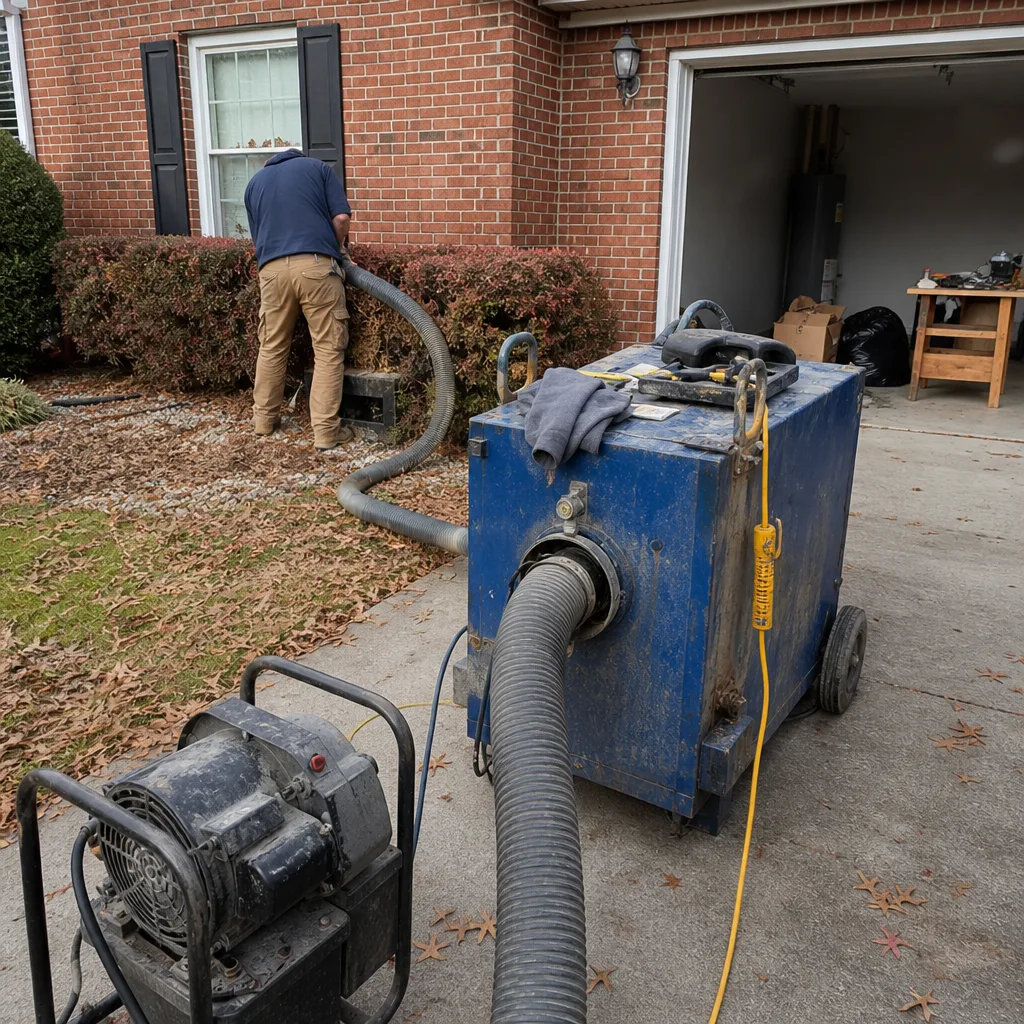 Before
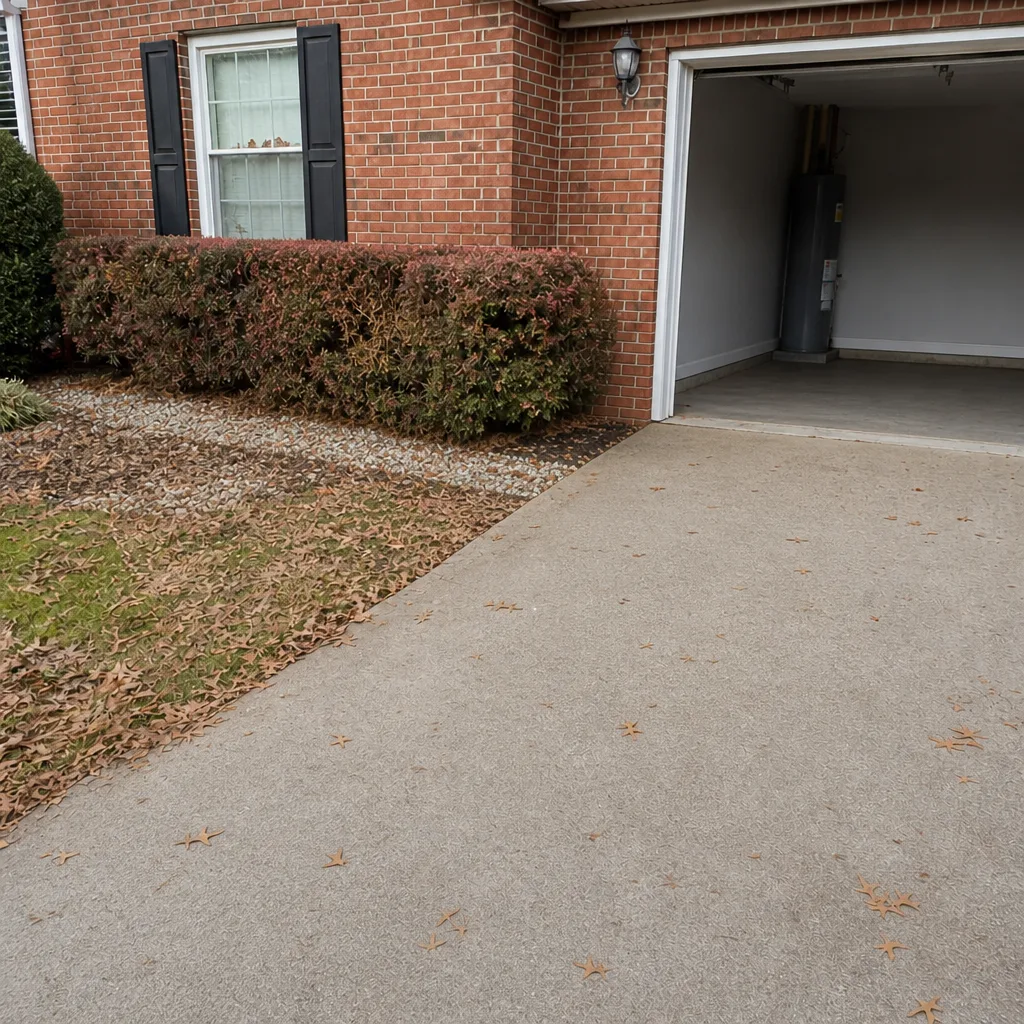 After
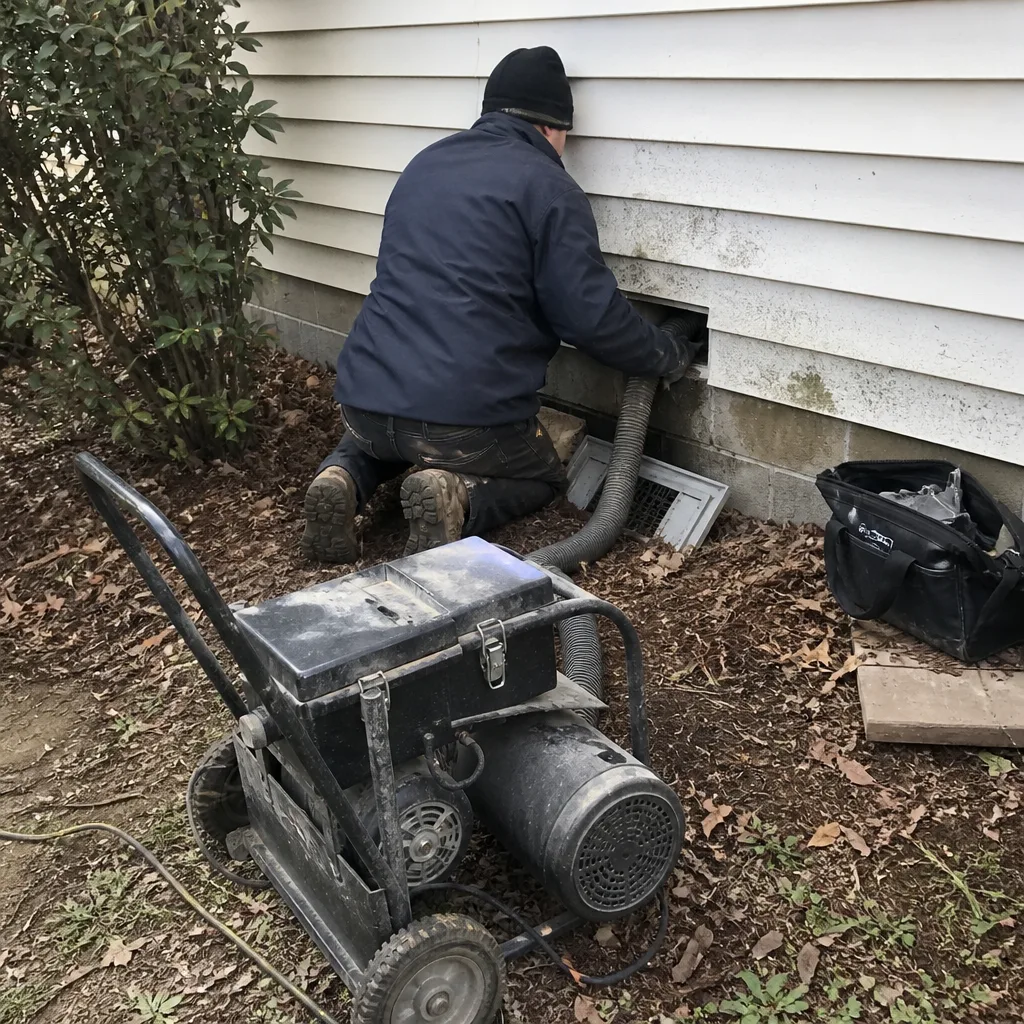 Before
 After
 Before
 After
When to Call a Professional
Some signals are clear enough that a phone call is the right next step, not another season of watching. Call if you see dark streaking that follows airflow at any register. Call if a damp, earthy smell persists through humid weather and doesn’t clear when the system runs. Call if you’ve had renovation work and you’re noticing new grit on returns or a faster-loading filter. Call if a room has lost noticeable airflow that it used to have. And call right away for the sharp, animal-specific smell, because that’s a source-removal job, not a cleaning job.
Duct Cleaning Concord offers free estimates in Concord – call (888) 687-3361 to schedule an inspection before deciding on scope. We answer 24/7. Fast dispatch from 7am to 7pm, Sunday through Friday. We clean, we clear, and we repair, all in-house, with commercial-grade equipment brought to your home.
Frequently Asked Questions
Most whole-system air duct cleaning in Concord runs in the low hundreds of dollars for a standard single-family home, with the price driven by the number of systems, the size of the home, and how soiled the system is; the written estimate sets the final price, and estimates are free. We quote per system, not per vent, so the number you agree to before work starts is the number you pay. Call (888) 687-3361 for an exact quote – estimates are free.
Cheap quotes usually reflect cheap equipment – a shop vac and a hose rather than a rated rotary brush and vacuum system – or a scope that looks complete and only touches the immediate register area. Some are simply a low opening number meant to grow once the technician is in the home. Ask what equipment will be used and whether a borescope inspection and before-and-after photos are included. That question alone separates a real scope from a teaser. Call (888) 687-3361 for an exact quote – estimates are free.
The reliable answer is documentation: borescope footage before the cleaning, photos of the ducts afterward, and a clear scope agreed in writing before work starts. A technician who can’t show what was in the ducts before and after is asking you to trust a claim. That’s the reason we photograph the system’s actual condition and only clean what the inspection shows needs it. Call (888) 687-3361 for an exact quote – estimates are free.
There’s no fixed calendar interval that suits every home. What matters is condition, not a countdown: a home with pets, recent renovation, or a humid crawlspace duct run typically needs attention more often than a clean, newer home. The better habit is the seasonal self-check, and an inspection whenever two or more early signals appear together. Call (888) 687-3361 for an exact quote – estimates are free.
Sometimes – if the borescope shows a localized problem zone, only that section may need cleaning and repair rather than the full system. The damp, earthy smell that tracks Concord’s summer humidity usually points to a moisture issue, so the fix is about finding where the moisture is entering as well as cleaning the affected run. An inspection tells you which situation you have. Call (888) 687-3361 for an exact quote – estimates are free.
Start with the borescope, not the register. A newly acquired home has an unknown history, and the only way to know whether a previous owner’s renovation dust, pet load, or a moisture problem is inside the system is to look at the interior before agreeing to anything. Check the return trunk, one branch run, and the joints, and ask for photos of each. Then decide scope. Call (888) 687-3361 for an exact quote – estimates are free.
The Bottom Line
By the time dust shows on the registers, the system has usually been carrying its load for a while – and by the time a smell arrives, microbial growth is often months old. So the useful signal isn’t the dramatic, visible one; it’s the early pattern. Watch the temperature spread between rooms, the velocity at the far registers, the texture and color of deposits on the blades, the timing of allergy symptoms at startup, and the weather pattern of a Concord summer on the ductwork. Two or more together means schedule an inspection. Insist on a borescope and photos before you agree to any scope, and ask what equipment will be doing the work. We bring purpose-built equipment from Rotobrush, Nikro, and Abatement Technologies to every job, and we clean, clear, and repair under one roof – so you don’t need a second contractor once the inspection reveals what needs fixing. Call (888) 687-3361 to book a free estimate. We answer 24/7. Fast dispatch from 7am to 7pm, Sunday through Friday, serving Concord and the surrounding area.
Written by the team at Duct Cleaning Concord, serving Concord since 2013.