
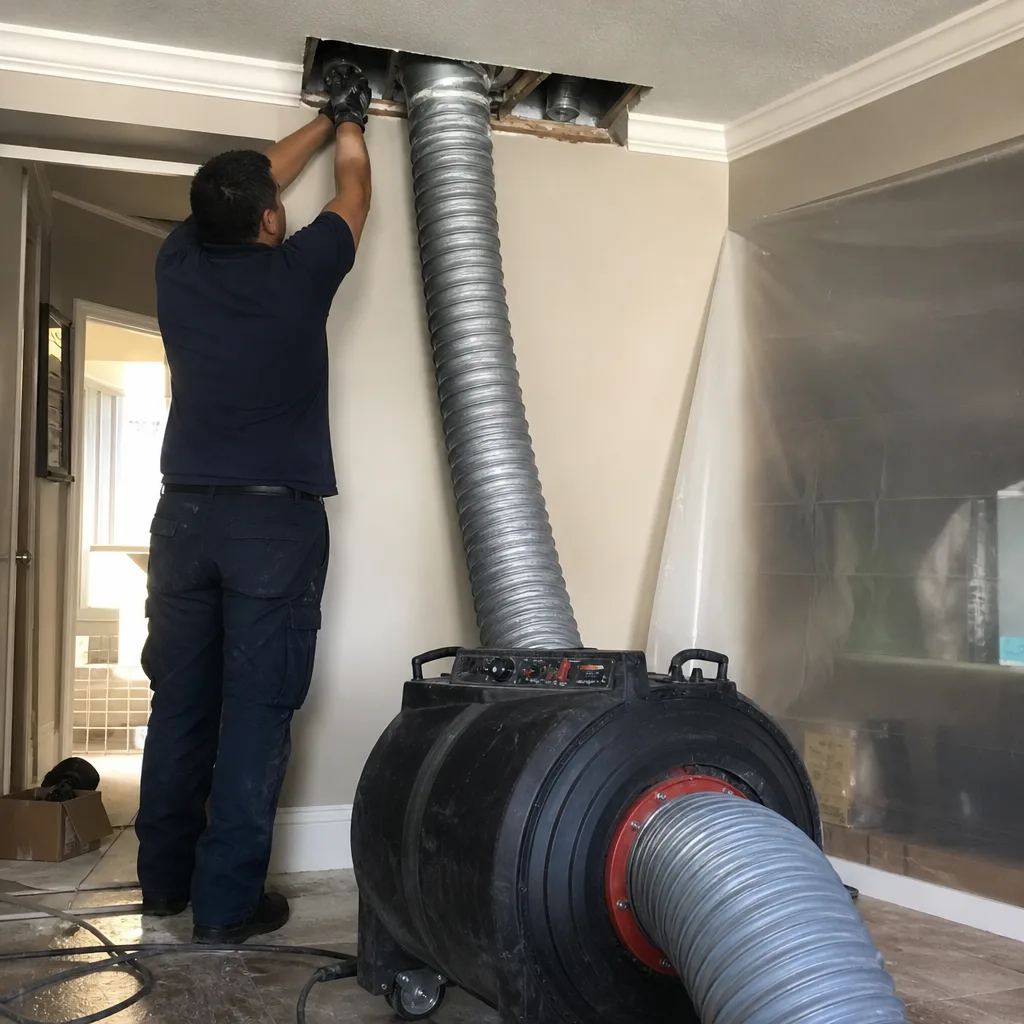
Last updated November 14, 2026
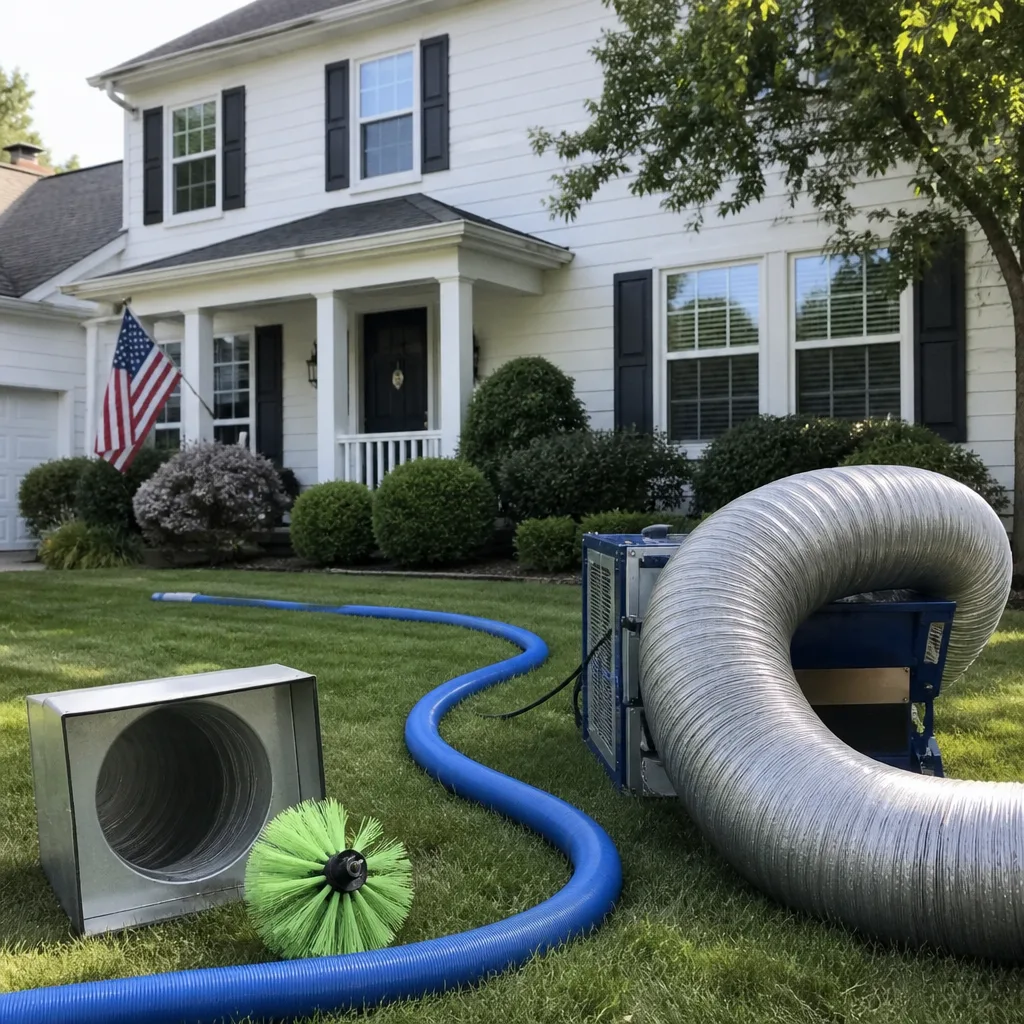 Whole-home duct cleaning
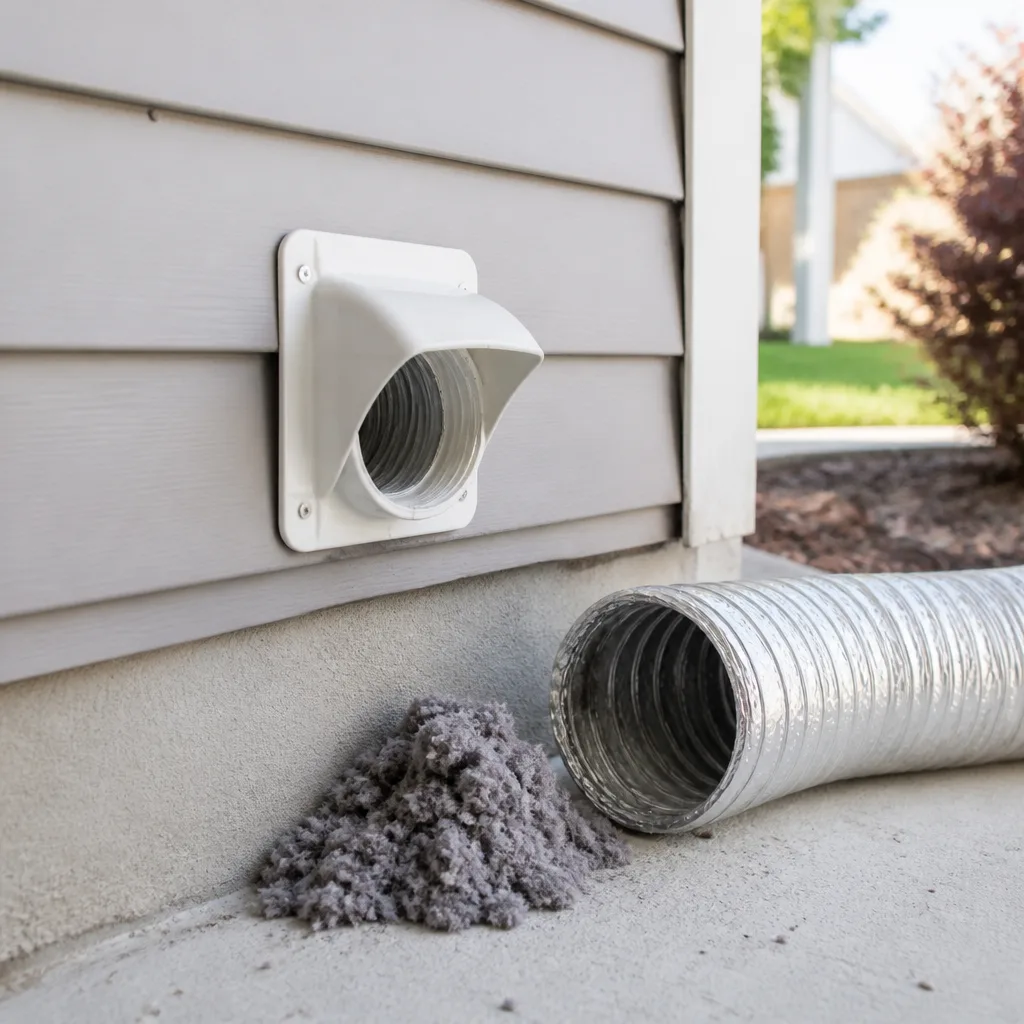 Dryer vent cleaning
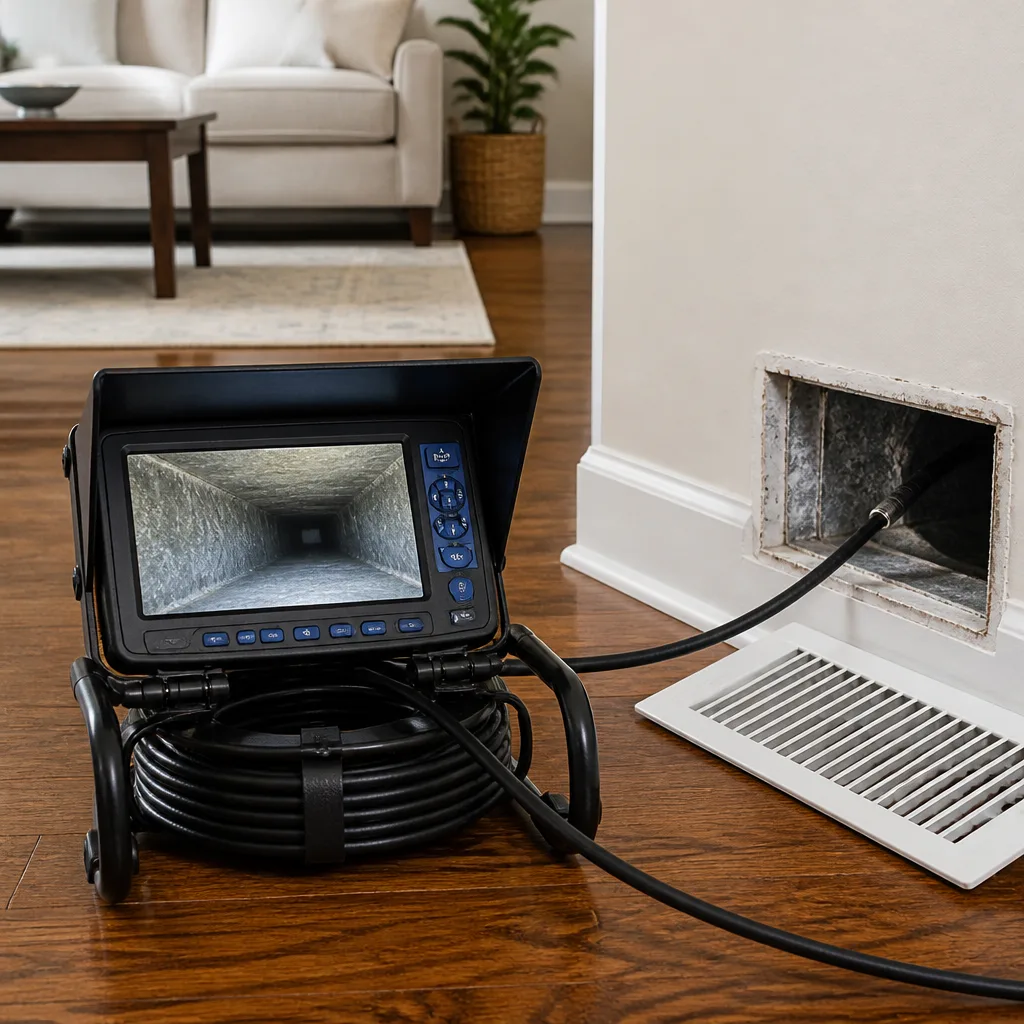 Camera inspection
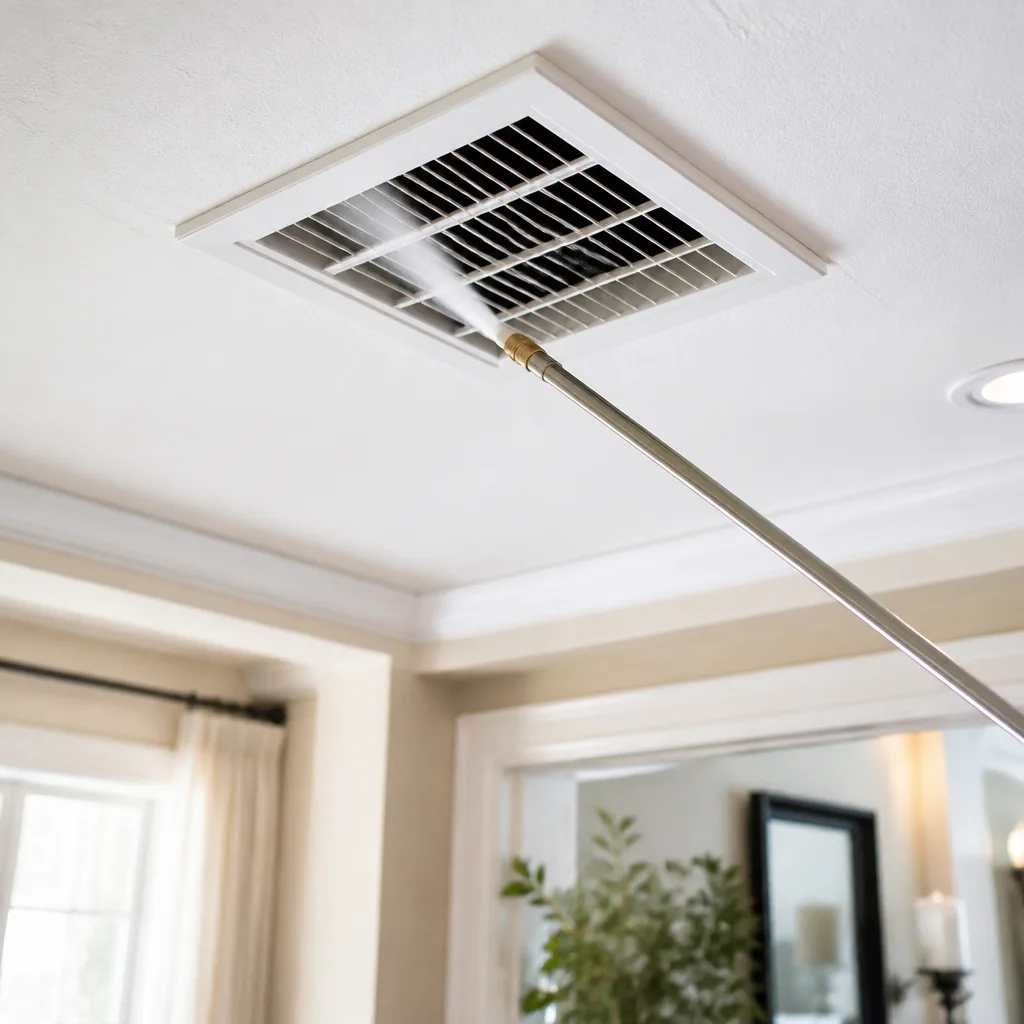 Sanitizing & deodorizing
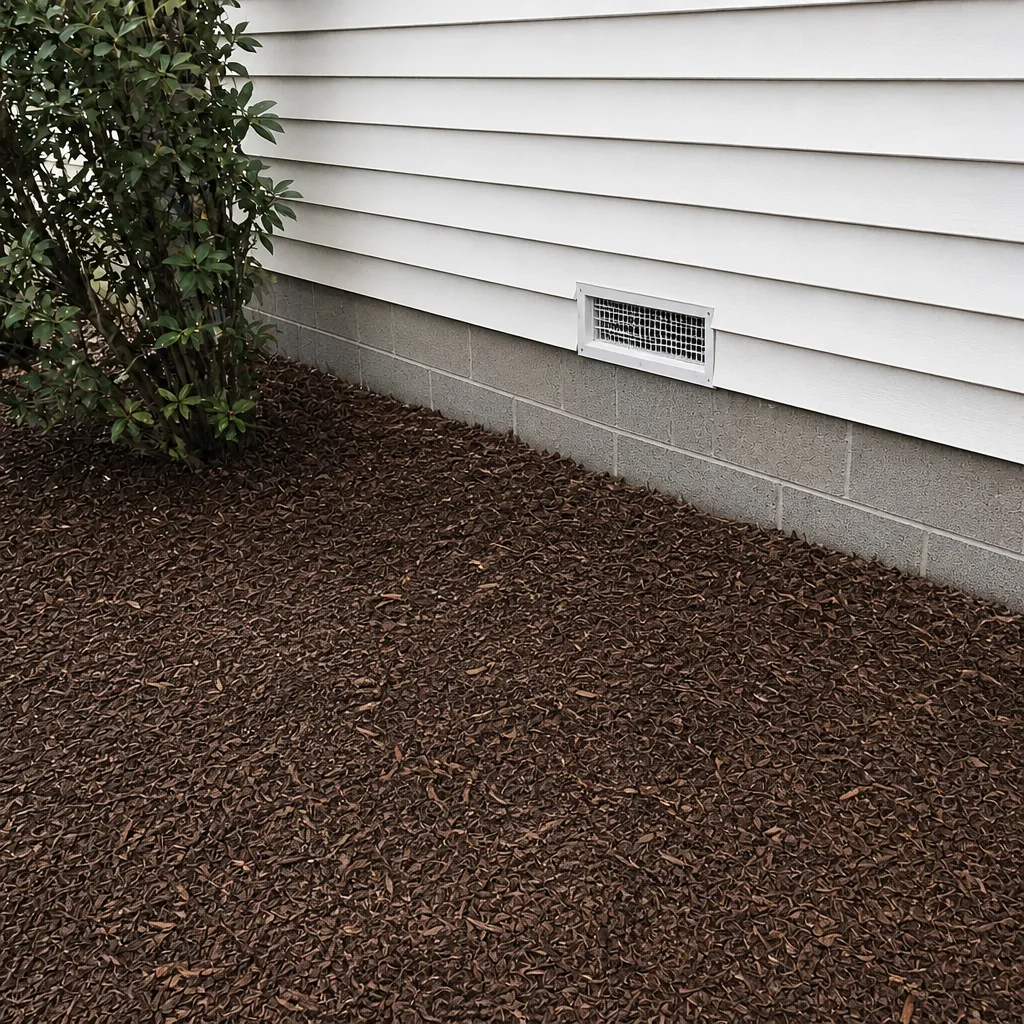
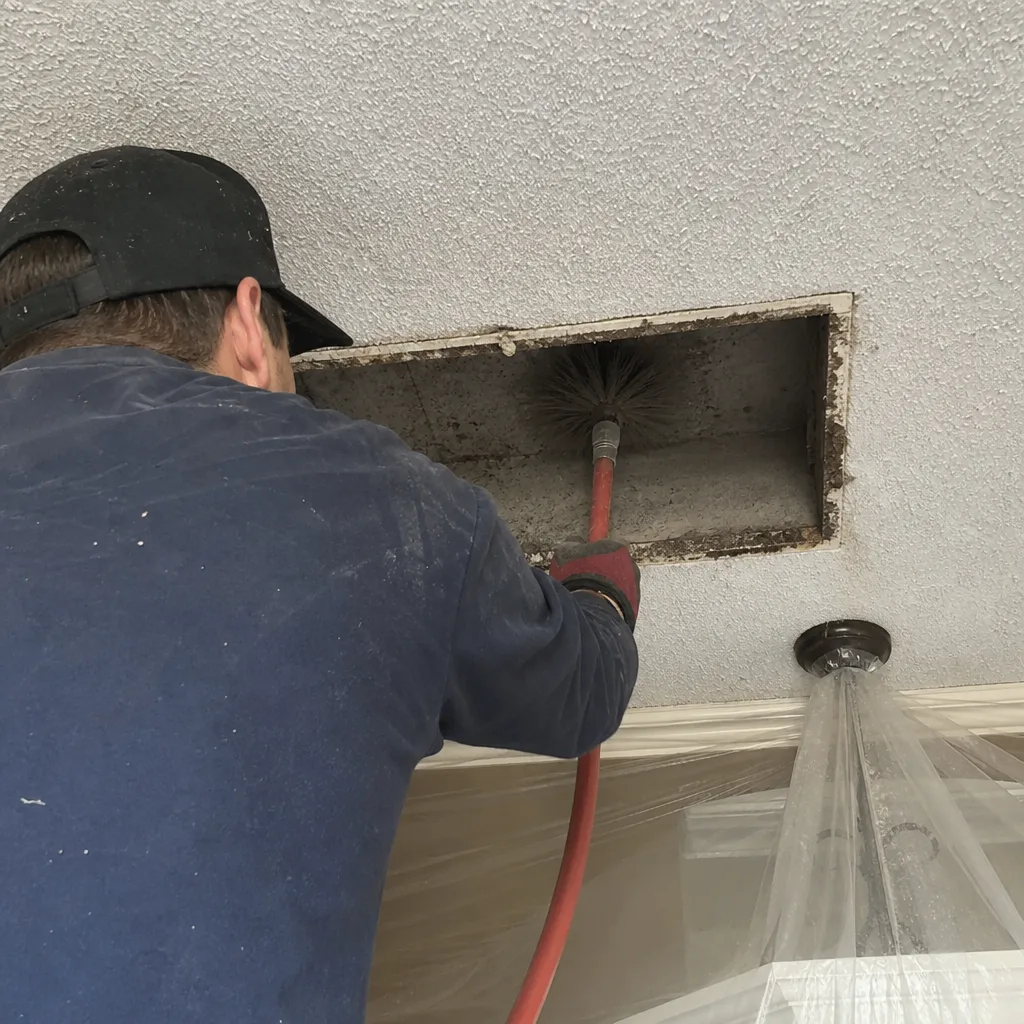
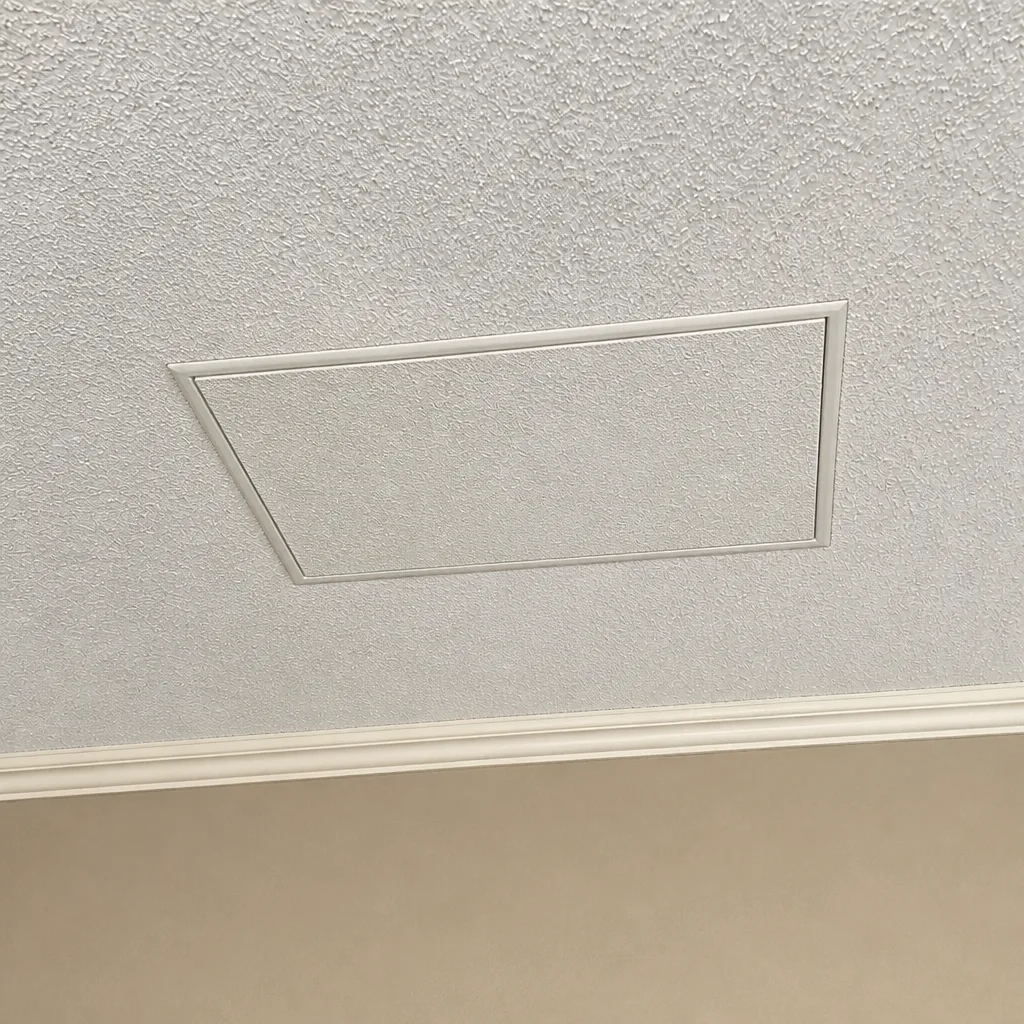
Whole-system duct and dryer vent check with before-and-after photos - you see exactly what came out of your vents
That "$99 whole-house special" is a bait ad - the real number appears once they are in your hallway, or the "clean" is a shop-vac at the register. We photograph the inside of your ducts before and after instead.
The Complete Guide to Air Duct Cleaning in Concord
Most Concord homeowners who call us worried about dirty ducts actually have clean-enough ducts. What they have is a specific contamination problem nobody identified before the vacuum showed up. That distinction matters more than any price list, because the wrong method applied to the wrong contamination is how a cleaning leaves a system worse than it found it. This guide walks through the decision tree a specialist uses: how to identify what’s actually inside your ducts, which equipment each contamination type demands, how Concord’s clay soil and humid summers change the picture, and what a real post-cleaning verification looks like.
Quick Answer
Air duct cleaning in Concord, NC is a source-removal process, not a surface wipe-down: it uses rotary brush agitation plus negative-air vacuum to pull settled debris out of the whole system rather than stirring it around. The right method depends on what’s in the ducts, and contamination type (debris, microbial growth, construction dust, or pet dander) determines which equipment gets used. Any legitimate cleaning ends with a borescope inspection you can see, not a verbal sign-off.
Styles & brands we work with
- Whole-home duct cleaning
- Dryer vent cleaning
- Camera inspection
- Sanitizing & deodorizing
Table of Contents
- What’s Actually in Your Ducts? Four Contamination Types
- Why Concord’s Climate and Soil Change the Duct Picture
- Contact Vacuuming vs. Negative Air vs. Rotary Brush Agitation
- Which Duct Material Requires Which Approach
- What Post-Cleaning Verification Should Look Like
- Why Concord’s Light-Commercial Buildings Get Neglected
- The Dryer Vent Separately: A Fire Risk Worth Addressing
- Common Mistakes to Avoid
What’s Actually in Your Ducts? Four Contamination Types
Before anyone connects a hose, a trained technician should be able to tell you which of these four categories describes your system. Each one calls for a different cleaning approach.
- Ordinary settled debris. Dust, hair, and lint that collects in return trunks and supply runs over years. This is the baseline case most households fall into, and it responds well to standard rotary brush and negative-air cleaning.
- Microbial growth. Visible dark spotting, musty odor, or evidence of moisture on duct liner or insulation. This requires containment and air filtration equipment plus an evaluation of why moisture is present in the first place – cleaning alone won’t stop regrowth if the source problem is unaddressed. Mold remediation itself is outside our scope; we clean the system and flag what we find.
- Construction dust. Fine drywall dust and joint compound residue that settles into every run after a renovation and behaves almost like flour. It requires more aggressive agitation and a high-volume vacuum to lift it, especially from flex duct where it clings to the interior walls.
- Pet dander and hair accumulation. Sticky and fibrous, this material binds to duct walls and to register grilles and doesn’t release easily under light vacuuming. Rotary brush agitation is usually the only way to break it loose.
The purpose of identifying contamination first is that it determines equipment, sequence, and whether containment is needed. In our experience, the biggest reason a duct cleaning fails to produce a noticeable improvement in a Concord home is that the technician used one method for all four categories and never confirmed which one they were actually dealing with.
Why Concord’s Climate and Soil Change the Duct Picture
Concord sits in the Carolina Piedmont, where the soil is heavy in clay and summer humidity stays high for weeks at a stretch. That combination matters inside your ducts in ways it wouldn’t in a dry climate.
Clay-heavy soil doesn’t drain fast, and during a wet spell more moisture lingers around and under a house than most homeowners realize. Combined with high summer humidity, that means duct systems running through crawl spaces and unconditioned areas in Concord face more consistent moisture exposure than the same systems in drier parts of the country. Moisture plus dust is exactly the environment mold and mildew need. That’s why a musty smell coming from a register during July and August isn’t something to shrug off – it’s an early warning that conditions in the system support microbial growth.
The practical implication is that cleaning frequency can legitimately be shorter in Concord than the generic advice you’ll see online. A system that stays dry may go years between cleanings. A system with a moisture issue may need attention after a season or two, and the underlying moisture source addressed separately so the problem doesn’t simply return.
Clay soil also contributes particulate: fine dust from yards, driveways, and grading work gets pulled in through returns during dry spells and settles in the distribution runs. If your home is near new construction or recent site grading in and around Concord, that construction-dust contamination above is a near certainty within the first year.
Contact Vacuuming vs. Negative Air vs. Rotary Brush Agitation
This is where equipment grade separates a source-removal cleaning from a cosmetic one.
- Contact vacuuming uses a vacuum head held directly against accessible duct surfaces – register openings, exposed trunk sections, and plenum areas. It’s valuable but limited. It can only reach what the head can physically touch, so it’s a supplement, not the whole job.
- Negative-air methods place a high-volume collection unit with HEPA filtration on the system, holding a consistent negative pressure so loosened debris is drawn into the collector rather than pushed out into living space. The volume and filtration of the unit matter enormously here. This is why we use Nikro vacuum equipment and Rotobrush systems built for this work specifically, rather than a shop vac that simply doesn’t move enough air or filter finely enough.
- Rotary brush agitation feeds a rotating brush through the duct runs to mechanically loosen adhered material from the walls. Contact vacuuming and negative air alone won’t break pet dander or construction dust off a duct wall; rotary agitation has to do it. The Rotobrush platform is the industry-standard rotary brush system, and the reason is straightforward – the brushing action is designed to scrape and lift, not just spin around.
For systems we evaluate and find heavily compromised – the ones where contamination is significant enough that disturbing it carelessly could spread material into living space – we bring Abatement Technologies containment and air filtration equipment. That lets us control the work zone in situations where a standard setup would be inadequate. For whole-home air quality equipment already in place – the Aprilaire and Honeywell components that manage filtration, humidification, and ventilation – we know how the duct system integrates with those, so the cleaning doesn’t leave the air quality equipment underperforming afterward.
Which Duct Material Requires Which Approach
Duct material matters as much as contamination type. Treating them all alike is another common source of poor results.
- Rigid sheet metal is the most forgiving surface. It handles rotary brush agitation and higher vacuum volume well, and brushing produces real results on the interior.
- Flexible duct is the most common in Concord homes and the most delicate. Its corrugated interior traps dust and moisture, and the lining between the wire coils is easy to damage. Gentle brush agitation and carefully controlled vacuum pressure are required; the wrong brush or too much speed can tear the liner.
- Duct board and lined sheet metal (common in some returns and plenums) have exposed internal insulation surfaces that can absorb moisture and trap contamination. Aggressive brushing here isn’t the answer – it can damage the surface. These often need a careful evaluation for whether cleaning is viable or whether the section requires repair instead.
That’s part of why we operate as a duct specialist rather than a general HVAC company offering duct cleaning as an add-on. Our three services – air duct cleaning, dryer vent cleaning, and duct repair – are all handled in-house, meaning that when cleaning reveals a damaged duct section or failed connection, we can actually fix it rather than refer you elsewhere.
What Post-Cleaning Verification Should Look Like
Here’s the question worth asking before anyone starts: how will I know the work was actually done?
The legitimate answer is a visual inspection using a borescope – a camera on a flexible cable run into the duct runs before and after cleaning, with you looking at the screen. Before-and-after images from your own ducts should be shown to you, not a brochure photo from someone else’s home. A verbal sign-off from a technician is not verification.
- Ask to see the borescope view inside at least two ducts: one supply run and one return.
- Ask for before-and-after images of your system, not stock photos.
- Confirm you’re getting an inspection report or at minimum a verbal rundown of what was found – any damaged connections, moisture issues, or visible microbial concerns that should be followed up.
- If there was an odor issue, ask whether the cleaning should resolve it, and if not, why.
For homes needing larger scale work, we use Abatement Technologies containment equipment to protect the work area during cleaning – and that means an inspection after the work can look at a genuinely clean surface, not just a disturbed one.
Why Concord’s Light-Commercial Buildings Get Neglected
Walk into most strip-mall storefronts, small clinics, or office spaces in Concord and ask when the ducts were last cleaned, and you’ll typically get a blank look. Commercial duct cleaning is chronically neglected compared to residential for a couple of reasons. First, nobody lives in the building, so there’s no one noticing a musty smell or allergy flare-up pushing the issue. Second, maintenance budgets usually prioritize HVAC service agreements and equipment repair, and duct cleaning gets deferred.
The result is that small commercial systems in Concord can carry years of accumulated debris, and the tenants breathe it every day. If you manage one or more properties – and this includes landlords responsible for tenant air quality and liability compliance across multiple units – the practical guide is to have the duct system inspected on a routine interval, not just when the HVAC company happens to be on site for a repair. The equipment that handles a strip-mall roof unit is the same commercial-grade gear that handles a residential system; the principle of negative-air collection and mechanical agitation doesn’t change. What changes is the access strategy and the amount of volume involved.
For property managers, one practical note: a written estimate for the job is a set price for the system, not a per-register number that grows with the invoice. Ask how the scope is defined for your building before approving the work.
The Dryer Vent Separately: A Fire Risk Worth Addressing
A dryer vent isn’t part of the air duct system, and we treat it as its own thing because the consequences of neglect are different in kind. Lint buildup in a dryer vent restricts airflow, and restricted airflow allows heat to build up in the duct run. That’s why a clogged dryer vent is a leading cause of residential house fires.
Signs worth acting on: clothes taking noticeably longer to dry, the dryer cabinet feeling hot to the touch, lint accumulating around the outside vent, or lint visible behind the dryer. If you check the outside vent flap while the dryer runs and it doesn’t open and close with the airflow, that’s a restriction signal.
Dryer vent cleaning is available as a standalone service. Some customers schedule it on its own, without any duct work. Others have it done at the same time as a duct cleaning. Either way it’s a distinct inspection of the full run from the dryer housing to the exterior termination, using the brush and vacuum line equipment that removes the lint that accumulates along the interior wall of the vent.
Common Mistakes to Avoid
- Skipping the contamination assessment. Hiring a cleaning without anyone identifying what’s in the system means the wrong method is almost certain. Insist on the assessment first.
- Choosing on price alone. A quote significantly below others usually signals a smaller vacuum, a less thorough scope, or no containment – and in duct work, the cheapest method is often just stirring contamination, not removing it.
- Accepting a verbal sign-off. “All done” is not verification. Ask for a borescope look and before-and-after images.
- Overlooking the moisture source in Concord’s humid summers. Cleaning a system that has a moisture issue without addressing why that moisture is present means regrowth is likely within a season or two.
- Forgetting the dryer vent. It’s a separate line with a separate fire risk, and a duct cleaning visit doesn’t include it unless you ask.
- Treating light-commercial spaces like residential ones. A strip-mall unit with no one noticing the smell needs a set inspection interval, not a reactive call.
- Assuming flex duct can take the same treatment as metal. Corrugated flex duct needs gentler agitation and controlled vacuum – the wrong approach damages the liner.
When to Call a Professional
Most duct systems don’t need attention on a calendar schedule. They need it when there’s a reason. Call a professional when you notice a musty odor that persists after cleaning the registers and the room, when visible dark spotting or microbial staining appears inside a register boot, when recent renovation work left drywall dust that has settled into the system, when allergy or respiratory symptoms seem worse indoors than out, or when anyone in the household has a compromised immune system or significant respiratory condition. Call for light-commercial systems when the building has no routine inspection interval in place. And call for the dryer vent if drying times have crept up or you’ve never had the run inspected since moving in.
Duct Cleaning Concord offers free estimates in Concord – call (888) 687-3361. We answer 24/7. Fast dispatch from 7am to 7pm, Sunday through Friday.
See the difference
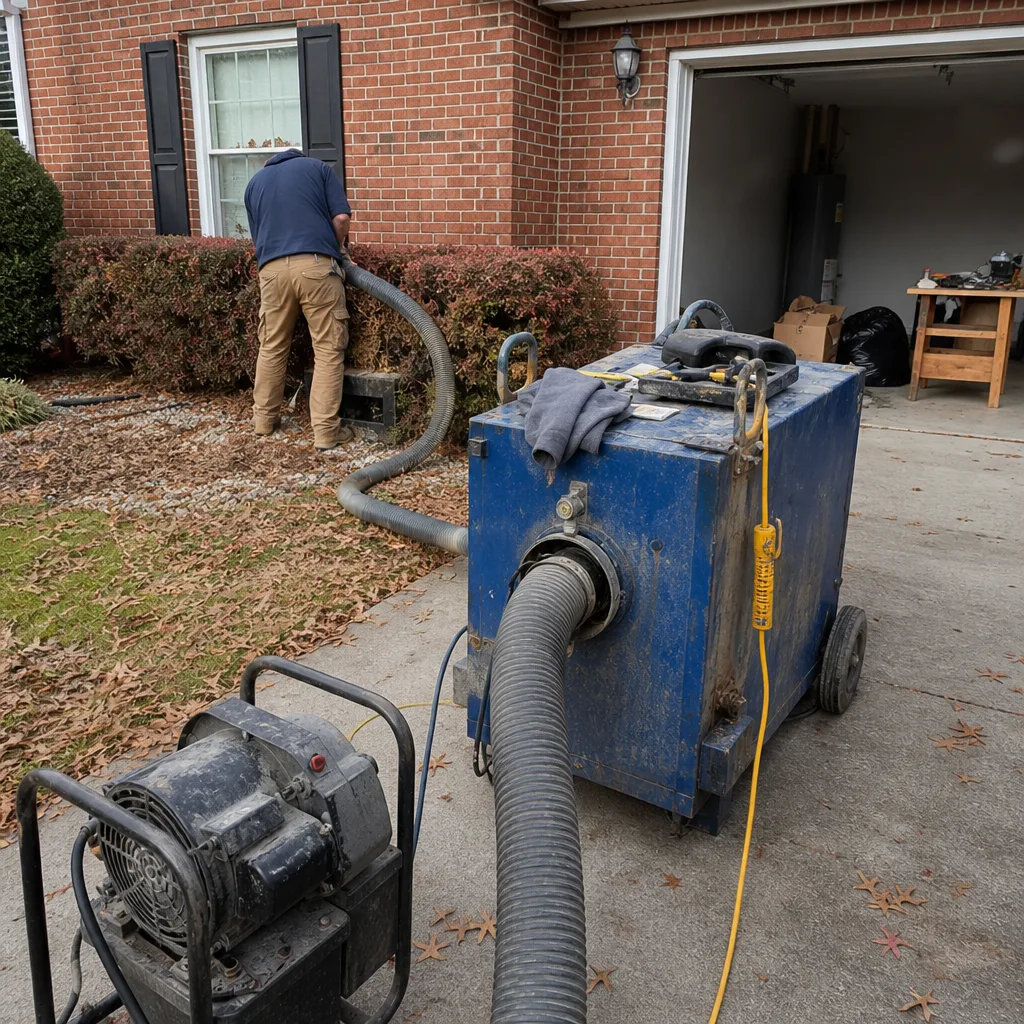 Before
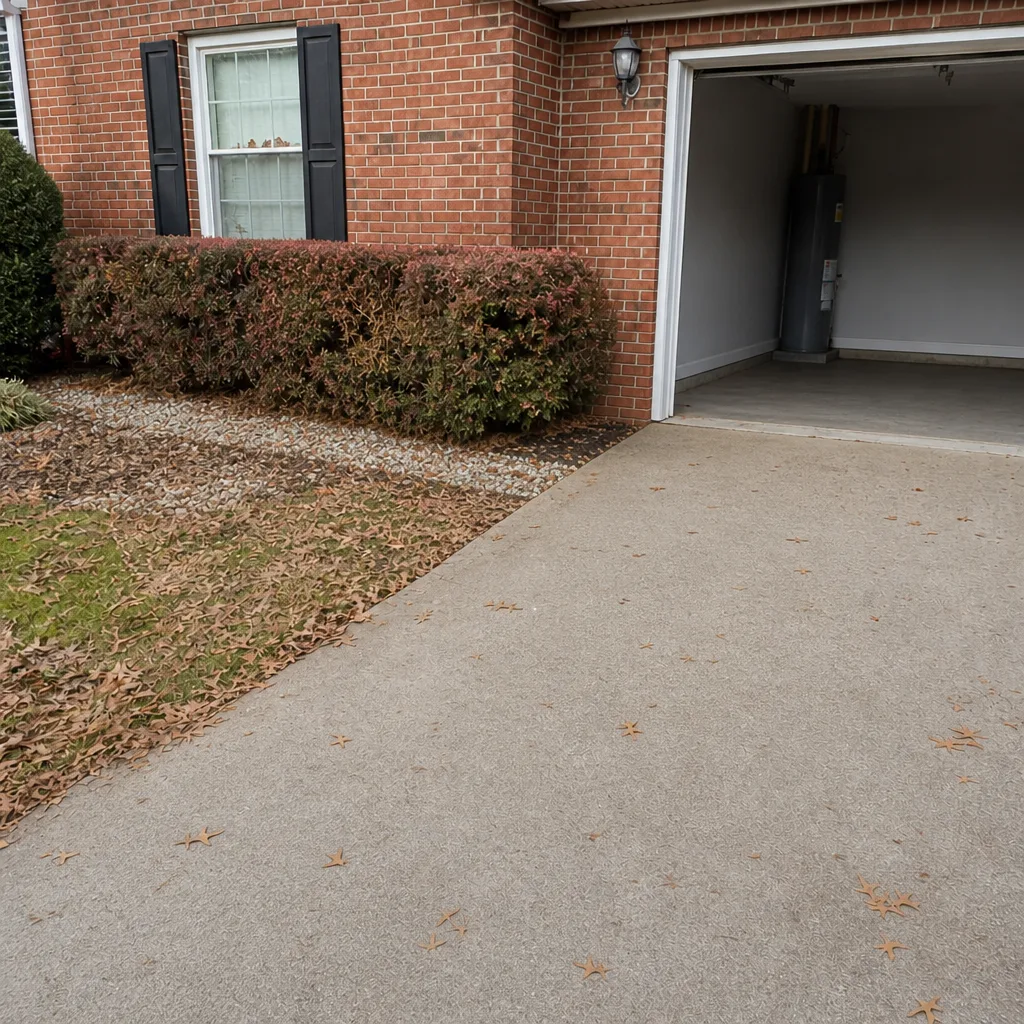 After
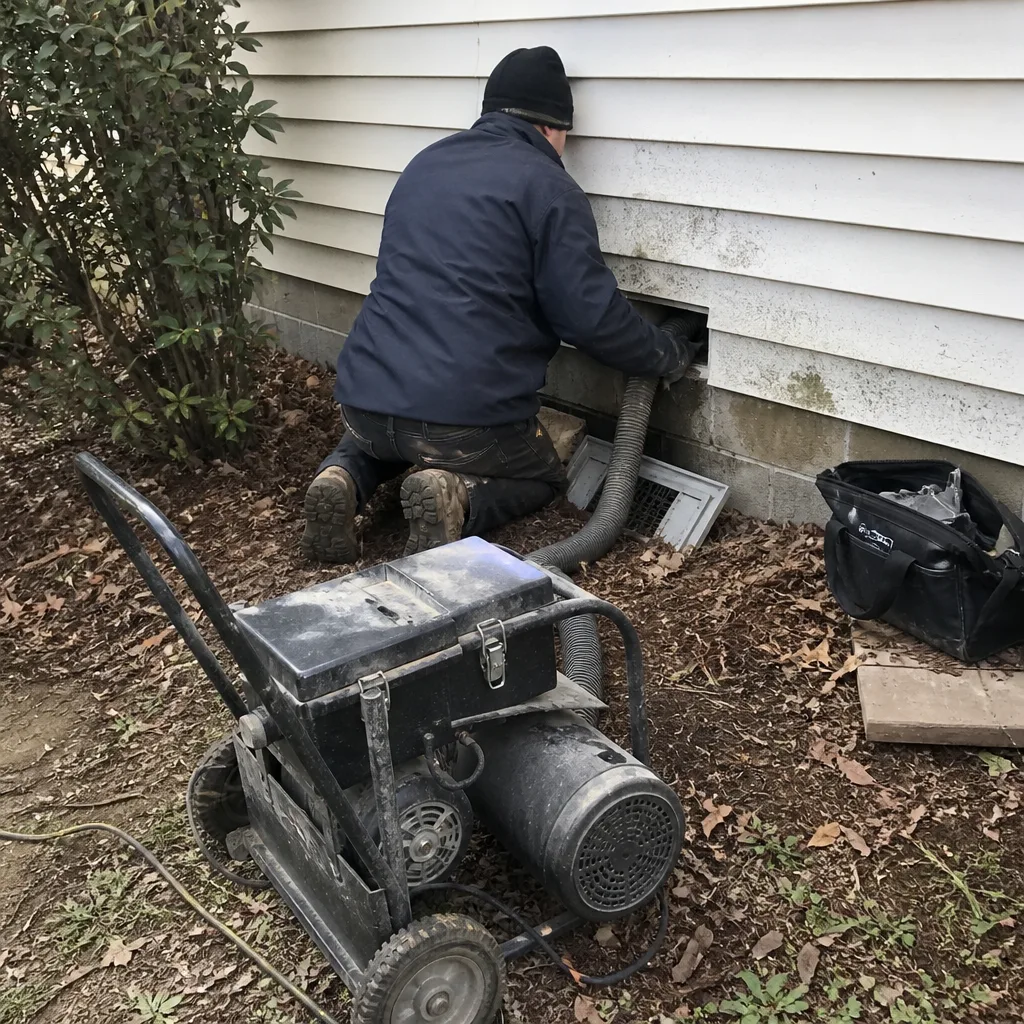 Before
 After
 Before
 After
Frequently Asked Questions
Pricing for air duct cleaning in Concord is set per system based on the scope of the job, and we don’t quote per-register numbers or teaser prices. The written estimate sets the final price before any work begins – call (888) 687-3361 for a free estimate.
There’s no fixed interval – it depends on contamination type and moisture conditions, not a schedule. In Concord’s humid summers and clay-heavy environment, a system with a moisture issue may need attention sooner, while a dry system can go years. The right answer comes from an inspection, not a calendar. Call (888) 687-3361 to schedule an assessment.
A cheap quote usually reflects a smaller vacuum, a limited scope, or no containment equipment – which means contamination gets disturbed rather than removed. Ask what equipment is being used and whether the scope covers the full system; that gap explains most of the price difference. Call (888) 687-3361 for a quote based on the actual work.
It’s worth it when there’s a specific reason – construction dust, pet dander buildup, a musty odor, or visible microbial concerns. It’s less worth it as routine maintenance with no identified problem. Get the inspection first and let the findings drive the decision. Call (888) 687-3361 to book a free estimate.
They’re separate systems with separate risks. Air duct cleaning addresses the HVAC distribution system; dryer vent cleaning addresses the exhaust run from the dryer to the exterior and removes the lint buildup that creates a fire hazard. We offer both – dryer vent cleaning is available as a standalone service or alongside duct work.
Yes – we work with residential and light-commercial systems, including strip-mall units, clinics, and small offices, using the same commercial-grade equipment. Property managers maintaining multiple units can get a written scope and set price for the building. Call (888) 687-3361 to discuss your property.
The Bottom Line
Air duct cleaning in Concord isn’t one process – it’s a decision tree that starts with identifying what’s actually in the system. Clay-heavy soil and humid summers create a moisture environment that makes microbial growth a real consideration in a way it wouldn’t be elsewhere, and each contamination type and duct material calls for a different method. The right work uses commercial-grade equipment, negative-air collection, and rotary brush agitation, and it ends with a borescope look you can see. Anything less isn’t a source-removal cleaning. Duct Cleaning Concord handles air duct cleaning, dryer vent cleaning, and duct repair in-house. Learn more about our air duct cleaning service or see what we do in Concord.
Ready for a Straight Answer?
Call (888) 687-3361 for a free estimate. We answer 24/7. Fast dispatch from 7am to 7pm, Sunday through Friday. A written estimate sets the final price before any work begins, and you’ll get a real inspection of what’s in your system, documented and shown to you.
Written by the team at Duct Cleaning Concord, serving Concord since 2013.