
Last updated November 14, 2026
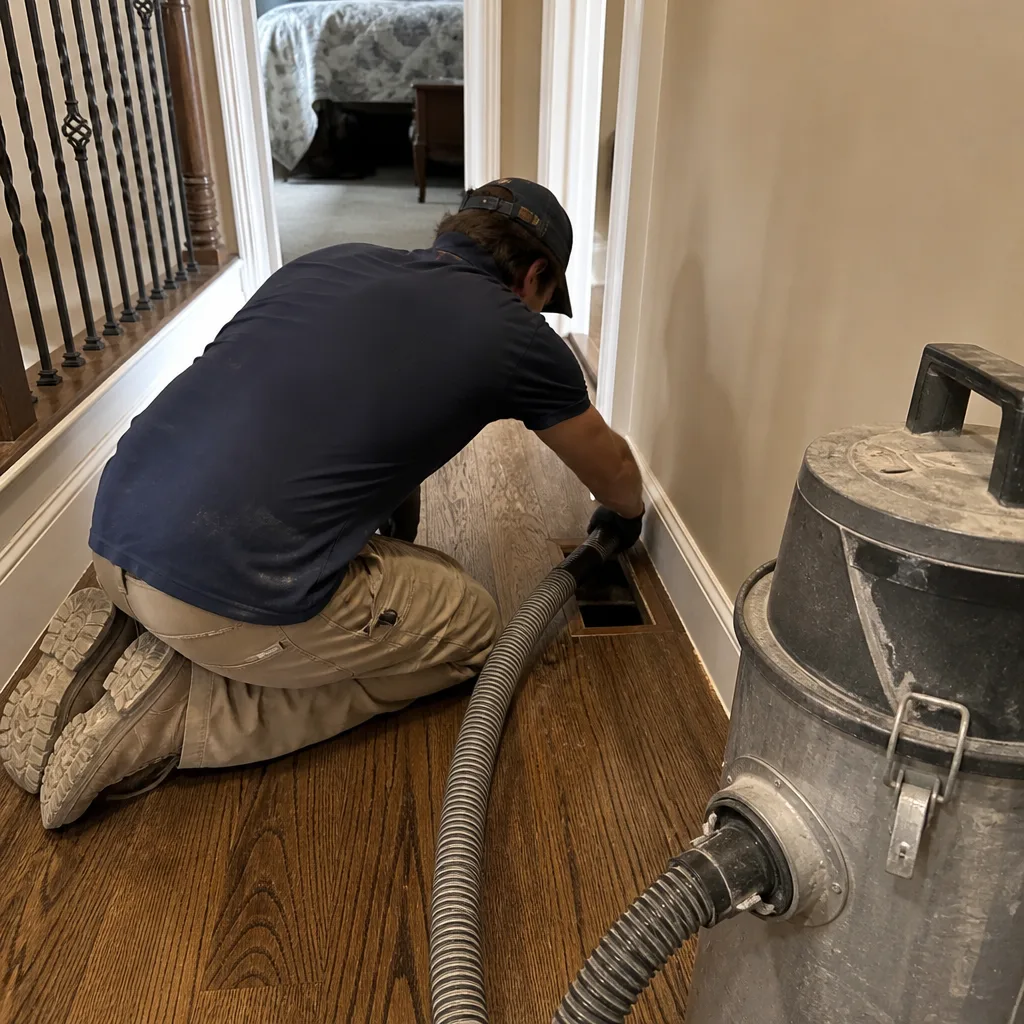
 Whole-home duct cleaning
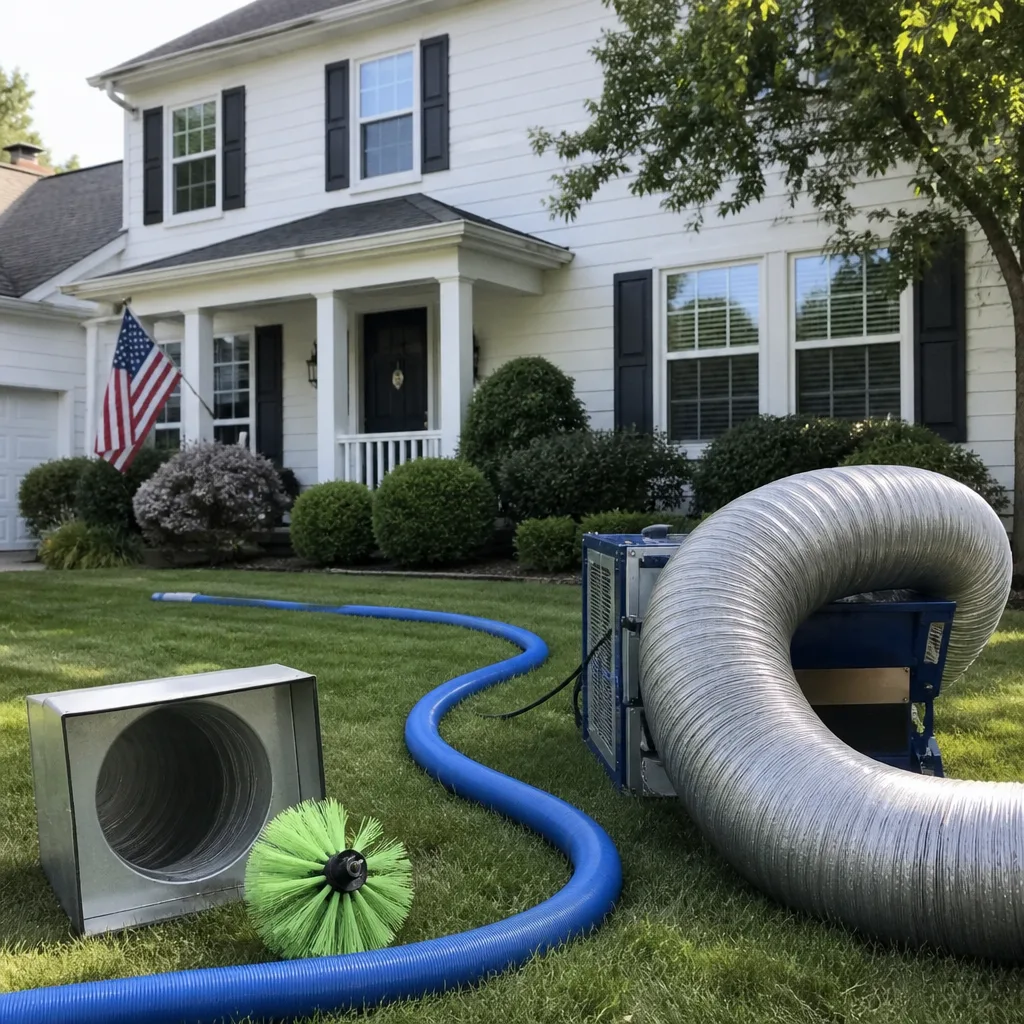
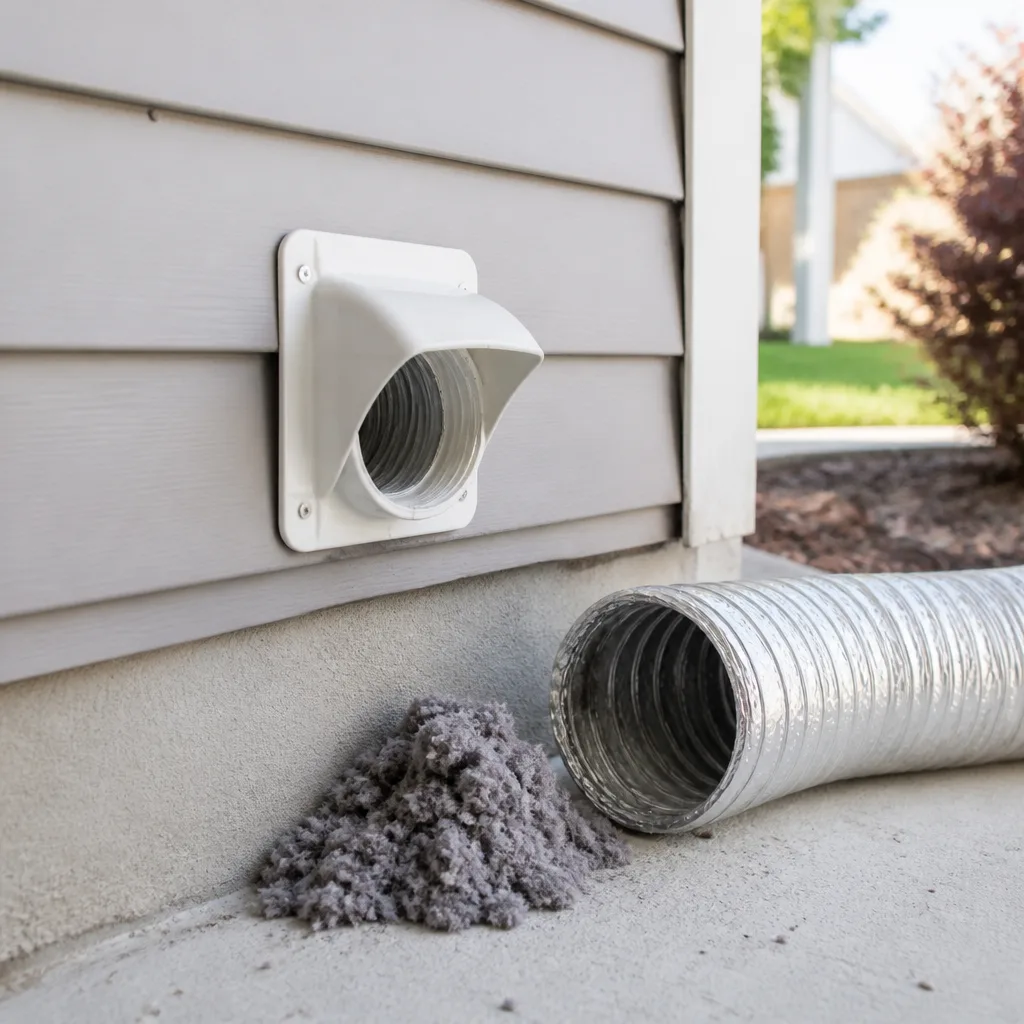 Dryer vent cleaning
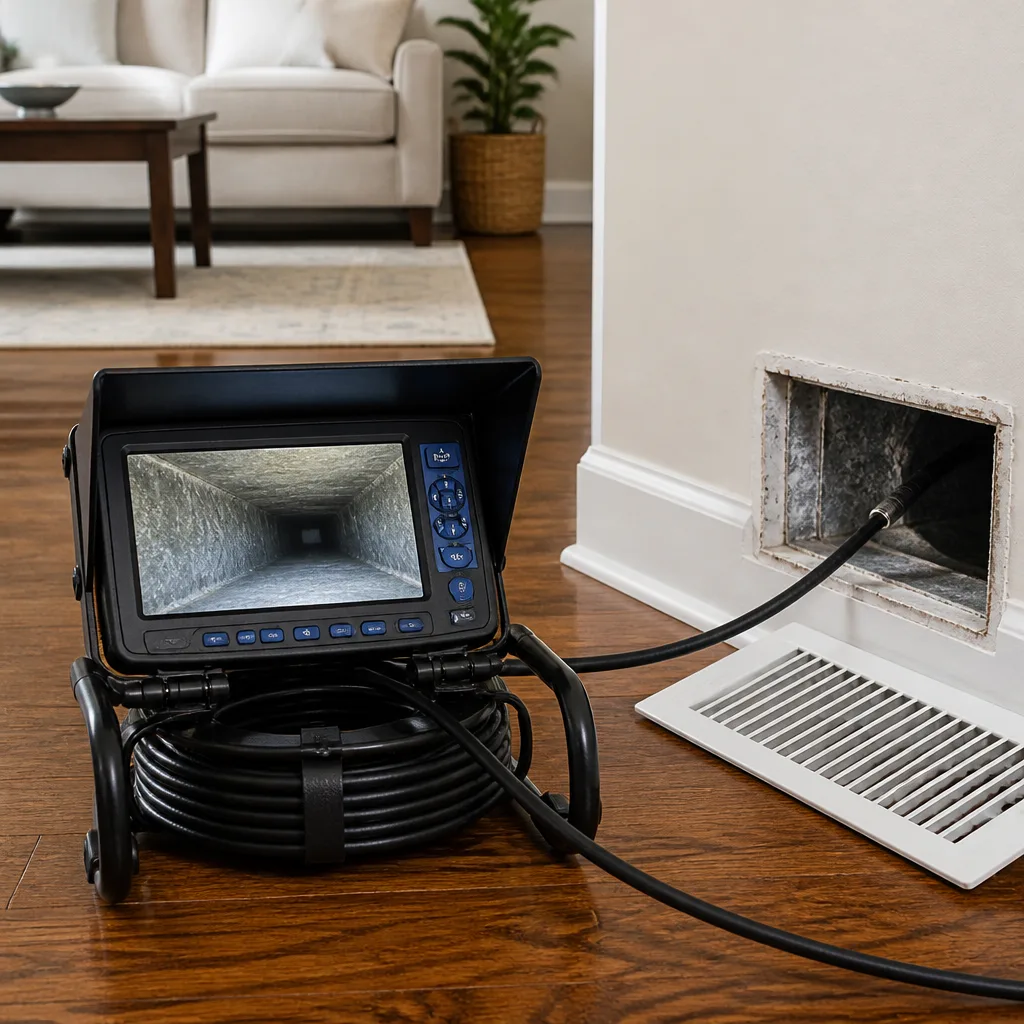 Camera inspection
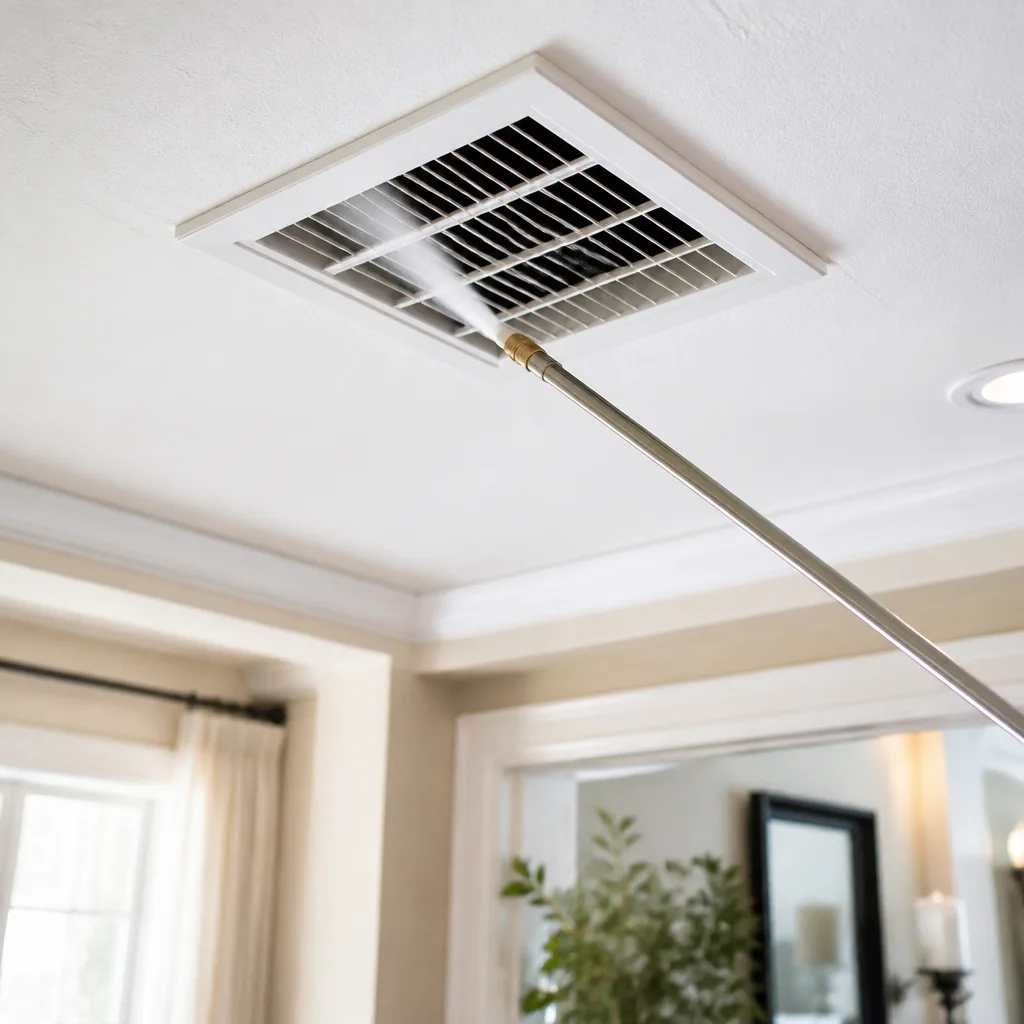 Sanitizing & deodorizing
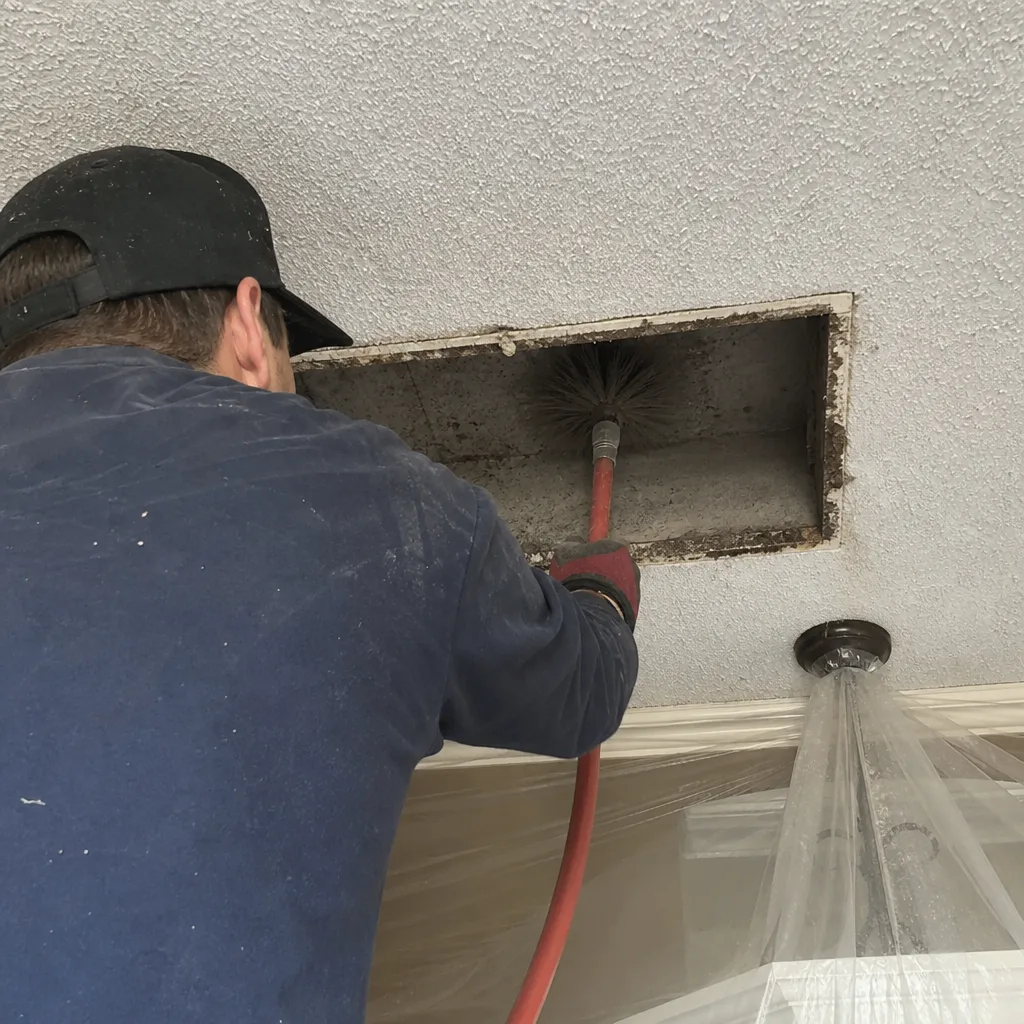
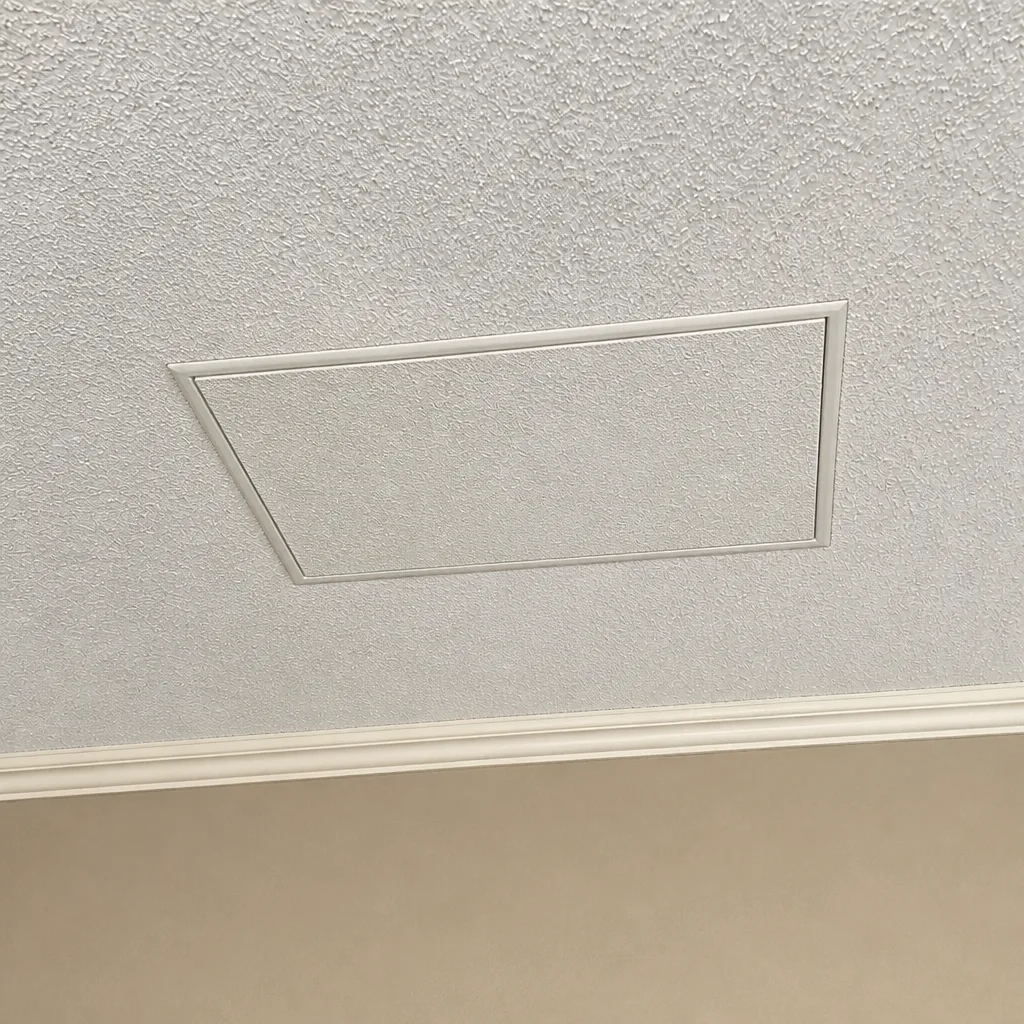
Whole-system duct and dryer vent check with before-and-after photos - you see exactly what came out of your vents
That "$99 whole-house special" is a bait ad - the real number appears once they are in your hallway, or the "clean" is a shop-vac at the register. We photograph the inside of your ducts before and after instead.
How to Hire an Air Duct Cleaning Contractor in Concord: A Step-by-Step Guide
Here’s the part almost no one tells you: in North Carolina, there’s no state license required to call yourself a duct cleaner. The person who cleaned your carpets last month can legally buy a shop vac, print a business card, and hand you an invoice for “air duct cleaning.” That doesn’t make them a fraud, but it does mean the entire burden of vetting falls on you, the homeowner. Most people don’t know which questions to ask, so they ask about price and nothing else. This guide walks you through the exact screening process a facilities manager uses when a building owner brings them a cheap quote. By the end, you’ll know how to tell real equipment from window dressing, why a $199 whole-house price is a warning sign rather than a bargain, and what a legitimate pre-job walkthrough actually looks like. We’re writing this from Concord, where we’ve worked in the same housing stock and climate you live in.
Quick Answer
To hire a duct cleaning contractor in Concord, verify three things before you book anyone: the equipment list (a truck-mounted or portable negative-air machine with HEPA filtration, a rotary brush system, and documented negative pressure during the job), proof of insurance written to cover duct cleaning and any remediation-adjacent work, and a contractor who does a full walkthrough and maps access points before touching a tool. Skip anyone who quotes a flat price over the phone without seeing your system, and skip anyone under about $299 for a whole house. Ask for before-and-after photos of your own ducts, not stock images.
Styles & brands we work with
- Whole-home duct cleaning
- Dryer vent cleaning
- Camera inspection
- Sanitizing & deodorizing
Table of Contents
- Why There’s No License Requirement in North Carolina
- The Five Equipment Questions to Ask Before Booking
- NADCA Membership vs. ACR Certification: What Actually Matters
- Why Rock-Bottom Pricing Is a Structural Red Flag
- What a Legitimate Pre-Job Walkthrough Looks Like
- How to Read a Certificate of Insurance
- Red Flags and How the Bait-and-Switch Actually Works
- Verifying the Work After the Job
- Common Mistakes to Avoid
- When to Call a Professional
- Frequently Asked Questions
Why There’s No License Requirement in North Carolina
This is the fact that changes how you should approach the entire search. North Carolina licenses general contractors, electricians, plumbers, and HVAC mechanics who install or repair equipment. Duct cleaning, as a category, sits outside that framework. It’s a cleaning service, not an installation or repair trade, and that means there’s no state board checking equipment, training, or insurance before someone advertises duct cleaning in Concord.
What this produces in practice is a very wide range of operators using the same words on their websites. On one end you have companies running truck-mounted vacuum systems with HEPA filtration, rotary brush tooling, and documented before-and-after photos. On the other end you have someone with a portable shop vac, a long hose, and a wand they push around the register for forty minutes.
Both can legally hand you a receipt. Only one does work that actually removes the accumulated dust, debris, and biological material sitting on the inside of your duct walls. The gap between them is equipment and process, and both are things you can ask about directly before you write a check.
The good news is that a lack of licensing means a lack of gatekeeping on your end too. You don’t need a special credential to vet a duct cleaner well. You need five or six specific questions and a willingness to walk away from a quote that doesn’t hold up.
For homeowners in Concord neighborhoods like Poplar Tent or Afton Village, where a lot of housing dates from the 1990s and 2000s, ducts have had time to accumulate real material. That makes the difference between a surface pass and an actual cleaning more visible, and more worth checking for.
The Five Equipment Questions to Ask Before Booking
Equipment is the single best proxy for whether a duct cleaning contractor can do the job you’re paying for. Ask these five questions on the phone before anyone comes out. A legitimate operator answers them without hesitation. A cut-rate operator gets vague, changes the subject, or tells you not to worry about it.
- What’s the CFM rating on your negative-air machine? CFM means cubic feet per minute, and it’s the measure of how much air the vacuum can move. A negative-air machine creates a pressure differential that pulls debris out of the duct system instead of just stirring it up. A contractor who can’t tell you the CFM of their unit either doesn’t own real equipment or doesn’t understand it.
- What type of brush system do you use? Rotary brush systems, like the ones built by Rotobrush, use a spinning brush head on a flexible shaft to physically agitate dust off duct walls while the vacuum pulls it away. A shop vac and a hose doesn’t agitate anything. Ask specifically whether the brush is rotary or manual, and whether it’s purpose-built for duct interiors.
- Does the vacuum collection unit have HEPA filtration? HEPA filtration on the collection side keeps fine particulate from blowing back into your living space during the job. Without it, you can end up with more airborne dust after the cleaning than before.
- How do you verify negative pressure during the job? A real contractor can tell you how they confirm the system is under negative pressure while they work. That might be a gauge reading or a documented process. Either way, they should know the answer.
- What containment equipment do you carry? For heavily soiled systems or anything near a remediation situation, containment matters. Abatement Technologies makes air filtration and containment gear used in restoration environments. A contractor carrying that class of equipment can work in conditions many cleaners won’t touch.
Write the answers down. If two contractors give you wildly different answers, that tells you something. If one can’t answer at all, that tells you more.
NADCA Membership vs. ACR Certification: What Actually Matters
These two things get conflated constantly, and the confusion costs homeowners money. NADCA is the National Air Duct Cleaners Association. Membership means the company has joined the association and agreed to its standards. That’s not nothing, but it isn’t a certification of the individual technician standing in your hallway.
ACR stands for Assessment, Cleaning, and Restoration, and it’s a certification held by an individual technician, not a company. An ACR-certified technician has passed an exam covering how to assess a duct system’s condition, how to clean it properly, and how to handle restoration-adjacent scenarios. The distinction matters because a company can advertise NADCA membership while sending an uncertified crew to your house.
Our advice for Concord homeowners: ask both questions separately.
- “Is your company a NADCA member?” (Company-level answer.)
- “Will the technician on-site be ACR certified?” (Person-level answer.)
- “Can you tell me their name before the appointment?” (Accountability.)
If the answer to the second question is no, that’s not automatically disqualifying. Plenty of skilled technicians work without individual certification. But you should know what you’re getting. A company that’s upfront about it is more trustworthy than one that blurs the two terms together to sound more credentialed than it is.
For a broader picture of what professional-grade air duct cleaning involves from a process standpoint, the equipment list tells you most of what you need to compare.
Why Rock-Bottom Pricing Is a Structural Red Flag
A whole-house duct cleaning quoted under about $299 is not a deal. It’s a business model, and it works against you. Here’s the arithmetic: real duct cleaning requires a negative-air machine, rotary brush tooling, HEPA filtration, at least one technician for several hours, and travel. The equipment alone costs real money to own and maintain. A price that low doesn’t cover the work as described.
So what happens when the van arrives? There are a few patterns, and they’re worth recognizing before you’re standing in your living room listening to one.
- The upsell pivot. The technician arrives, looks in a register, and tells you the system is “much worse than expected.” The price climbs once the equipment is already in your driveway.
- The abbreviated job. They run a vacuum hose over the accessible registers for twenty minutes and call it done. Nothing behind the register boot gets touched. Brush tooling never comes off the truck.
- The per-vent surprise. The advertised price covered “one main trunk.” Every additional vent, return, or branch line is a separate charge added at the end.
- The phantom mold finding. A scope inspection reveals “mold” that turns into a remediation quote far above the original cleaning price.
None of this is a comment on any specific company. It’s a comment on the economics. You can’t deliver full-system cleaning at a price that doesn’t cover the equipment time, so a company advertising one is either doing less than advertised or planning to add charges once they’re on-site.
If you want to understand the full scope of what proper duct cleaning in Concord actually covers, that’s a useful baseline before you start collecting quotes.
What a Legitimate Pre-Job Walkthrough Looks Like
Before a single tool comes off the truck, a competent contractor walks your system. Not a glance at the thermostat. A real walkthrough, and you should expect to see each of these steps.
- Access point mapping. The technician identifies every supply register, return, and the main trunk line, and locates any access panels already present. If your system has no access panels, they should explain where new ones go and how they’ll be sealed afterward.
- System documentation. Photos of the registers and main trunk before any work begins. This is the baseline that makes before-and-after comparison possible later.
- Contamination assessment. A look at the interior of the ductwork, often with a camera or scope, to check for dust accumulation, debris, pest activity, or moisture. Heavily compromised systems need different handling than a routine maintenance clean.
- Written scope and price. A document that states what’s being cleaned, how many access points, what equipment is used, and the total price before work starts. Not a verbal number.
If a contractor wants to skip straight to hooking up a hose, that’s the whole story right there. The walkthrough is where the contractor learns whether your system needs standard cleaning, heavier containment work, or duct repair. A company that cleans, clears, and repairs under one roof can address what the inspection finds without you calling a second contractor for follow-up work.
For a Concord home, that walkthrough also picks up things specific to the local housing stock. Homes in older parts of town sometimes have original flex duct that’s sagged or disconnected at a joint, and the walkthrough is where you find that.
How to Read a Certificate of Insurance
Ask for a certificate of insurance before the appointment and actually read it. General liability coverage is standard, but it doesn’t automatically cover everything a duct cleaning job can involve. Ask specifically whether the policy covers duct cleaning operations and any remediation-adjacent work, since not every general liability policy writes those in by default.
What to look for on the certificate:
- General liability limits. The per-occurrence and aggregate limits should be visible, not blank.
- Operations description. Does the policy describe duct cleaning as a covered operation? If it lists something narrower, ask.
- Additional insured status. Some contractors will add you as an additional insured for the job. Ask if that’s possible.
- Expiration date. A certificate that expired last year isn’t proof of anything.
A contractor who hesitates on this request is a contractor worth hesitating on. Insurance is not a difficult document to produce. Companies that carry it are usually glad to send it, because it distinguishes them from the ones that don’t.
Red Flags and How the Bait-and-Switch Actually Works
Most duct cleaning complaints come down to the same pattern: a price advertised, a price charged, and a gap in between. Recognizing the pattern in advance is the best defense. Here’s what the warning signs look like, and how the classic bait-and-switch operates in sequence.
Warning signs before you book
- A flat price quoted over the phone without asking a single question about your home’s size, system, or number of registers.
- Pressure to book immediately, often with a same-call discount.
- No physical business address, or an address that turns out to be a mailbox service.
- No mention of equipment anywhere on the website, or v
- Offers that bundle duct cleaning with unrelated services you didn’t ask about.
How the bait-and-switch plays out
The advertised price is usually built to cover one main trunk line and nothing else. The technician arrives, hooks up equipment, then explains that your returns, branch lines, and supply registers are additional. Prices for those get quoted on the spot, when you’re already committed and the furniture is already moved.
Alternatively, the “cleaning” is a per-vent pass with a vacuum hose and no brush tooling. That produces a visible difference at the register face and almost nothing deeper in the system, so the customer sees what looks like a result without the actual work being done.
What breaks this pattern is a written scope and a flat price per system, agreed before work starts. We clean, we clear, we repair, and the price you’re quoted is the price you pay. That’s not a special offer. It’s the only way the work can be quoted honestly.
Verifying the Work After the Job
The job’s not done when the equipment goes back in the truck. Verification is a separate step, and it’s the part you should be most insistent about, because it’s the part that separates a documented clean from a claimed one.
- Request before-and-after photos of your own system. Stock photos from the company website don’t count. The photos should show your registers, your main trunk, and the condition inside the duct, dated and matched to the pre-job documentation.
- Confirm the access panels are sealed. Any new access point cut into the ductwork should be sealed and insulated after cleaning. Open panels mean air leaks and a system that’s less efficient than before you started.
- Ask for a written summary. What was cleaned, how many access points, and whether anything was flagged for follow-up repair. If the scope changed during the job, that should be in writing too.
- Check the work yourself. Shine a light into a register and look at the duct interior. It doesn’t need to be pristine, but you should see a visible difference compared to what was there before.
We bring commercial-grade equipment to every job, and we leave evidence of it. Rotobrush rotary tooling, Nikro vacuum equipment, and Abatement Technologies containment gear are all things that produce verifiable results. A contractor using the right equipment has no reason not to show you the proof.
For homeowners in Concord who also want to address their dryer vent while the crew is on-site, dryer vent cleaning is a separate service worth scheduling together, since it’s the other major source of fire risk in a home’s ductwork.
Common Mistakes to Avoid
- Booking on price alone. A quoted price with no walkthrough is a number, not an estimate. If a contractor can quote you without seeing your system, they’re not quoting your system.
- Not asking about equipment before the appointment. By the time the van is in your driveway, you’ve lost your leverage. Ask the five questions on the phone, in writing if you can, and compare the answers.
- Assuming NADCA membership means the technician is certified. Company membership and individual ACR certification are different credentials. Ask both, and ask who’s coming to your house.
- Accepting photos from the company’s marketing materials instead of your own system. Before-and-after photos are only useful if they show your registers and your ductwork. Ask for them, and ask to see the metadata if you want to be certain.
- Skipping the insurance check. General liability policies vary. Ask whether duct cleaning operations are explicitly covered before anyone shows up.
- Ignoring the dryer vent. Dryer vent cleaning is standalone work, but it’s the same category of fire risk and often scheduled at the same time. If the crew is already on-site, it’s worth asking about.
- Not getting the written scope and price before work starts. Any verbal number can change. A written scope and price protects both sides.
When to Call a Professional
Not every home needs duct cleaning on a schedule. Some situations genuinely call for a professional to come look at the system.
- Visible dust discharging from registers right after a home’s been cleaned.
- A musty smell that gets stronger when the HVAC system runs.
- Recent renovation or construction work that generated dust and debris in the ductwork.
- Water intrusion, moisture, or visible pest activity around ductwork.
- A dryer that takes noticeably longer to dry a load, which can point to a clogged vent.
- New occupancy of a home where the previous owners’ cleaning history is unknown.
If any of those apply, a walkthrough is worth it. Duct Cleaning Concord offers free estimates in Concord, and we’ll tell you honestly whether the job needs cleaning, repair, or nothing at all. Call (888) 687-3361. We answer 24/7. Fast dispatch from 7am to 7pm, Sunday through Friday. We’re closed Saturday.
Frequently Asked Questions
Typical estimates for whole-home duct cleaning in Concord generally fall in the range of a few hundred to around a thousand dollars or more, depending on system size, number of access points, and how heavily soiled the ductwork is. The exact price is set by the written estimate after the walkthrough, and a legitimate contractor will not quote a firm price over the phone without seeing your system. Call (888) 687-3361 for a free estimate.
No state license specifically covers duct cleaning in North Carolina, which means there’s no single credential to check before hiring. Instead, verify equipment, insurance, and technician certification directly. Ask about negative-air machine CFM, brush system type, HEPA filtration, and whether the company carries containment equipment.
NADCA membership is a company-level affiliation with the National Air Duct Cleaners Association. ACR certification is an individual technician credential covering Assessment, Cleaning, and Restoration. Ask separately which applies to the person who will actually be on-site at your home.
A price that low doesn’t cover the cost of proper equipment, labor, and travel for a full-system clean, so the work is either abbreviated or the price climbs once the crew is on-site. Expect a written scope and flat price per system before work begins, not a teaser price on the phone.
There’s no universal schedule, and homes differ a lot. Most people do well to have the system assessed when they notice dust, musty odors, or after a renovation. Homes with pets, allergy sufferers, or recent construction may benefit from more frequent attention. An inspection tells you more than a calendar does.
Yes, and it’s often worth scheduling together since both are ductwork-related fire safety concerns. Dryer vent cleaning is offered as a standalone service and can be booked alongside air duct cleaning. Call (888) 687-3361 to schedule both in one visit.
The Bottom Line
Hiring a duct cleaning contractor in Concord comes down to verification, not trust. There’s no state license to fall back on, so you verify equipment, insurance, and certification yourself. Ask the five equipment questions before booking, read the certificate of insurance, and insist on a written scope and flat price before work starts. Skip any quote under about $299 for a whole house, and treat a flat phone quote with no walkthrough as a warning rather than a convenience. When you’re ready for a walkthrough with no obligation, call (888) 687-3361. We answer 24/7. Fast dispatch from 7am to 7pm, Sunday through Friday. We’re closed Saturday.
If you’re still exploring your options across the area, the Concord service overview covers what we handle, and we’re glad to answer equipment questions before you commit to anything.
Written by the team at Duct Cleaning Concord, serving Concord since 2013.
See the difference
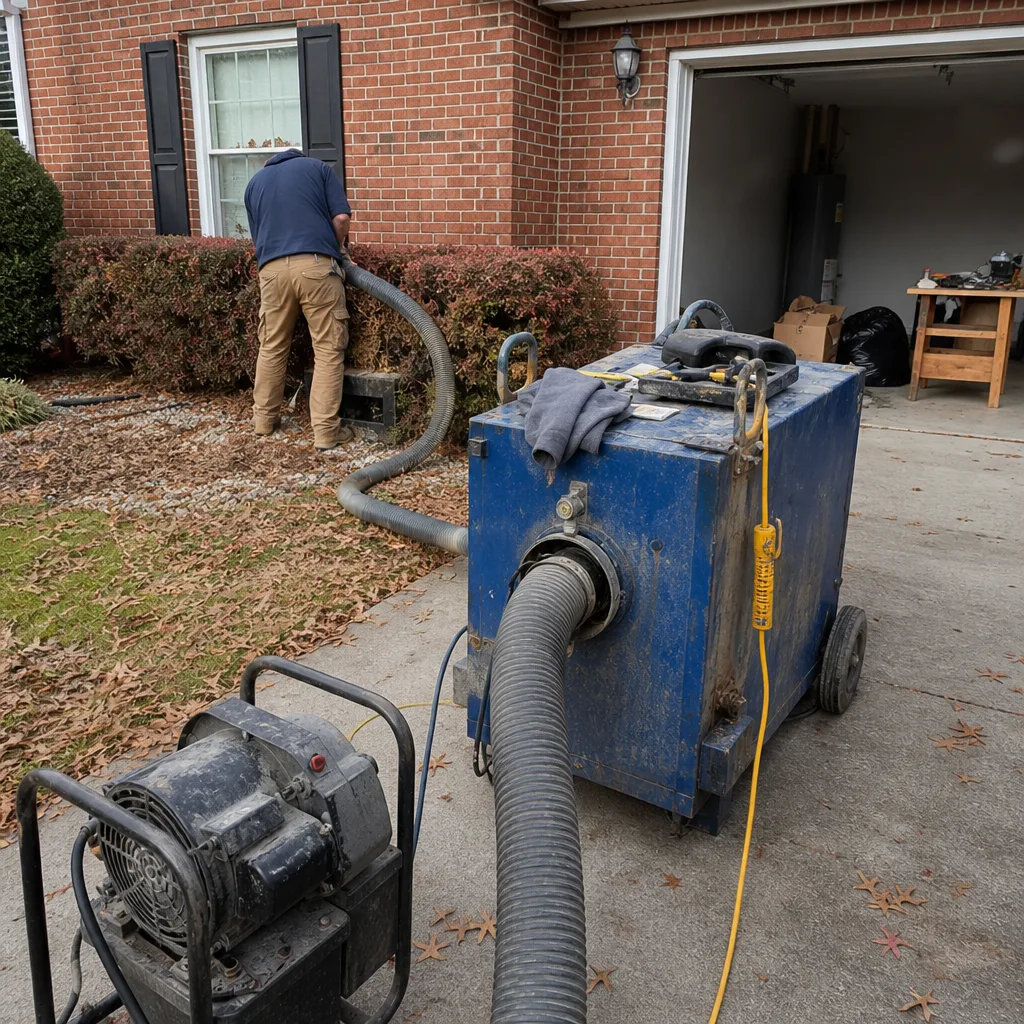 Before
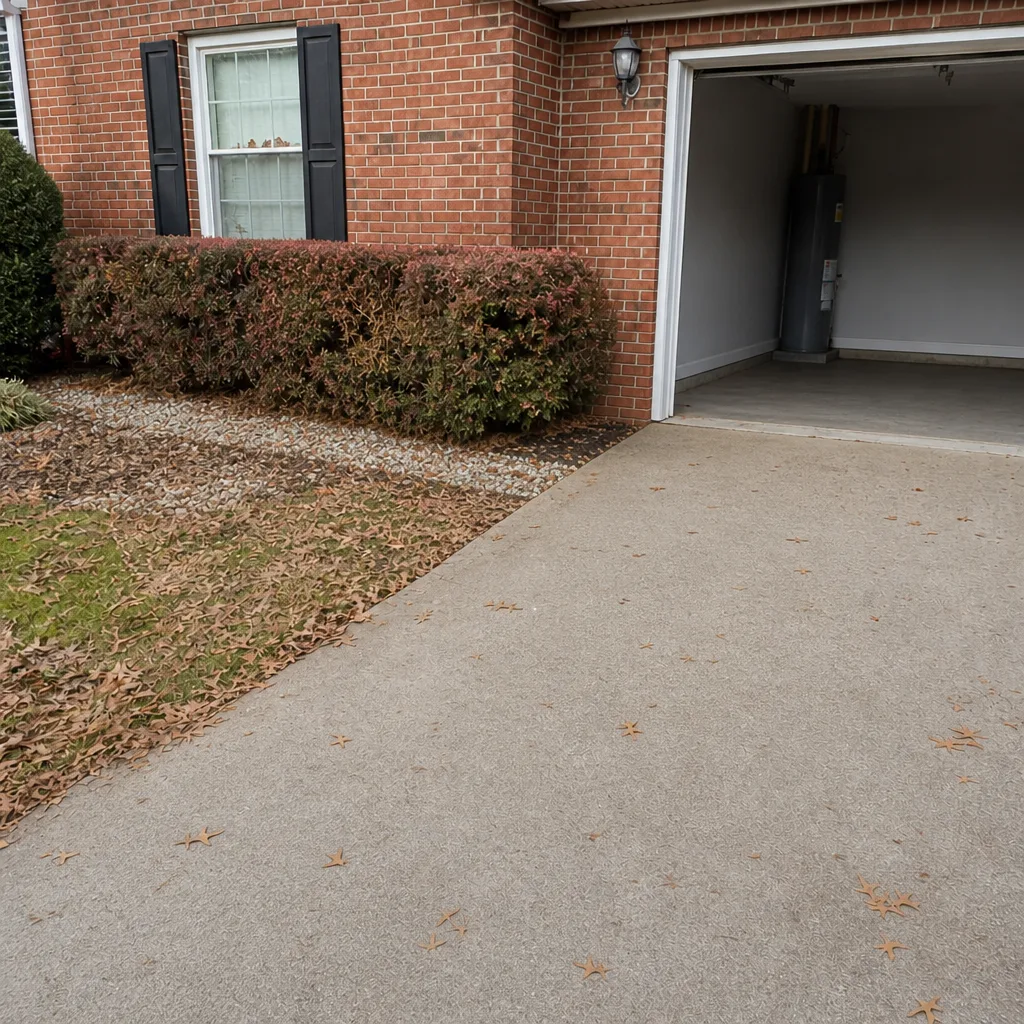 After
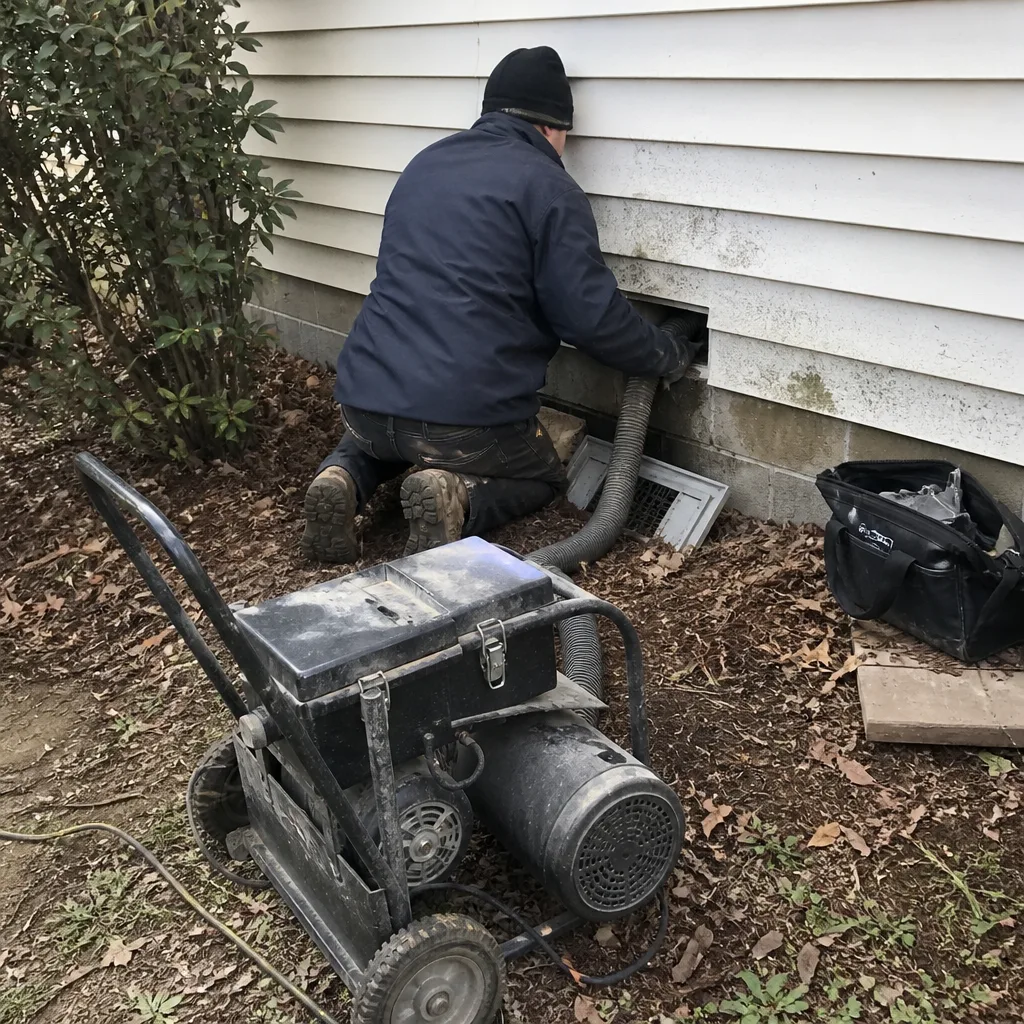 Before
 After
 Before
 After