
Last updated November 14, 2026
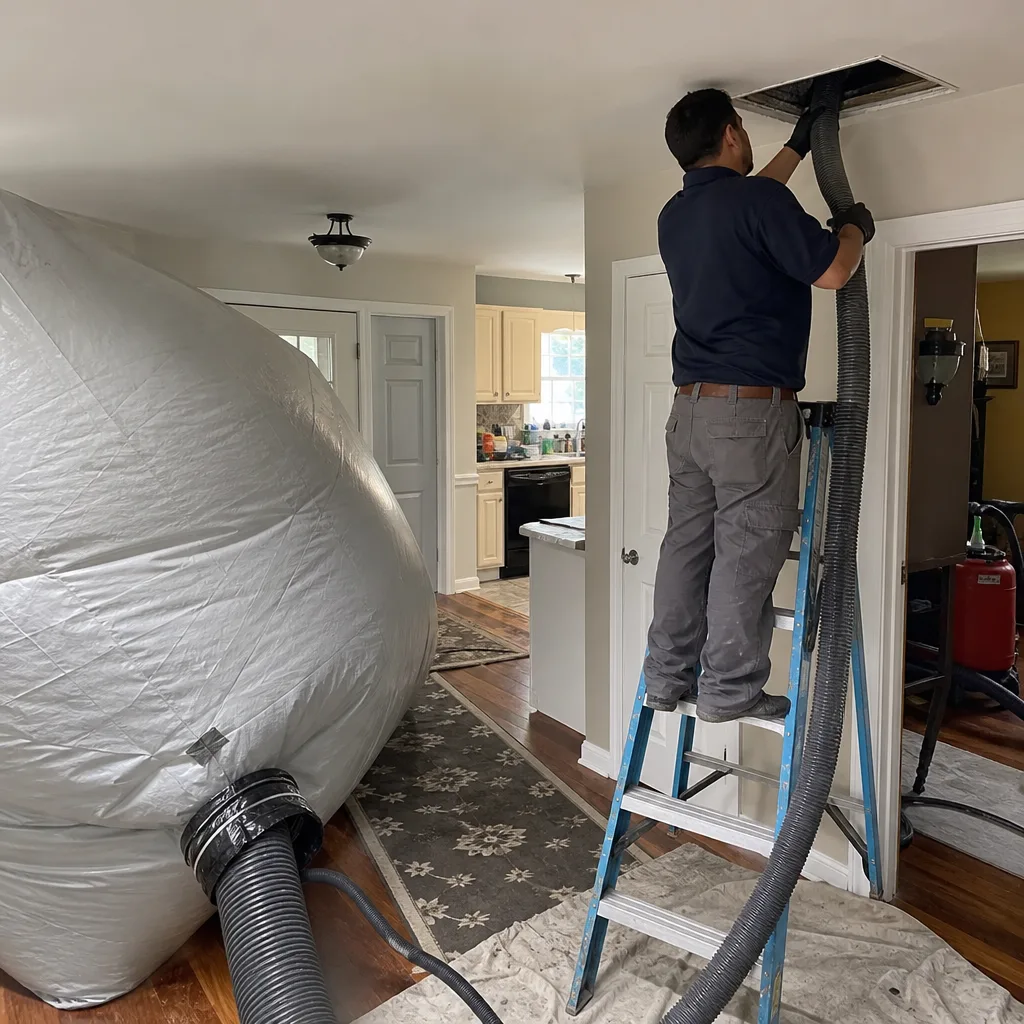
 Whole-home duct cleaning
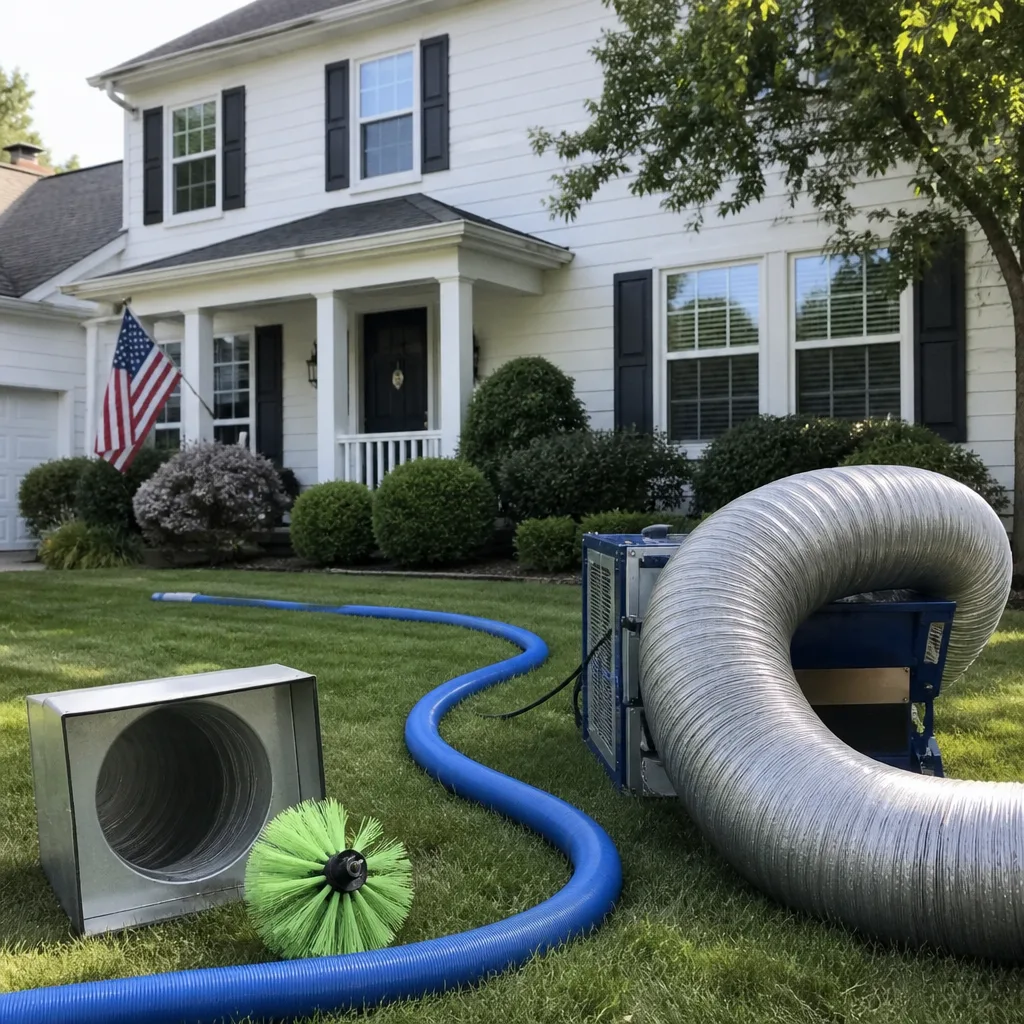
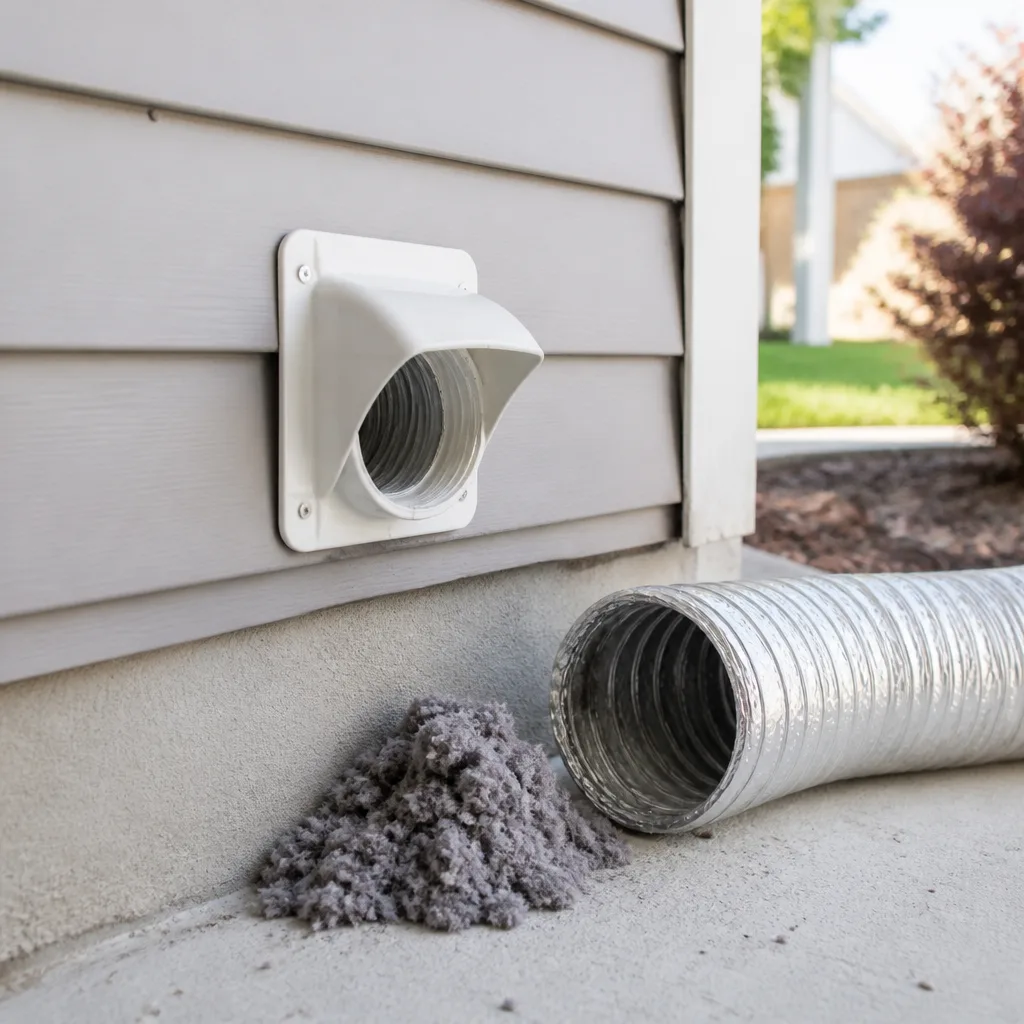 Dryer vent cleaning
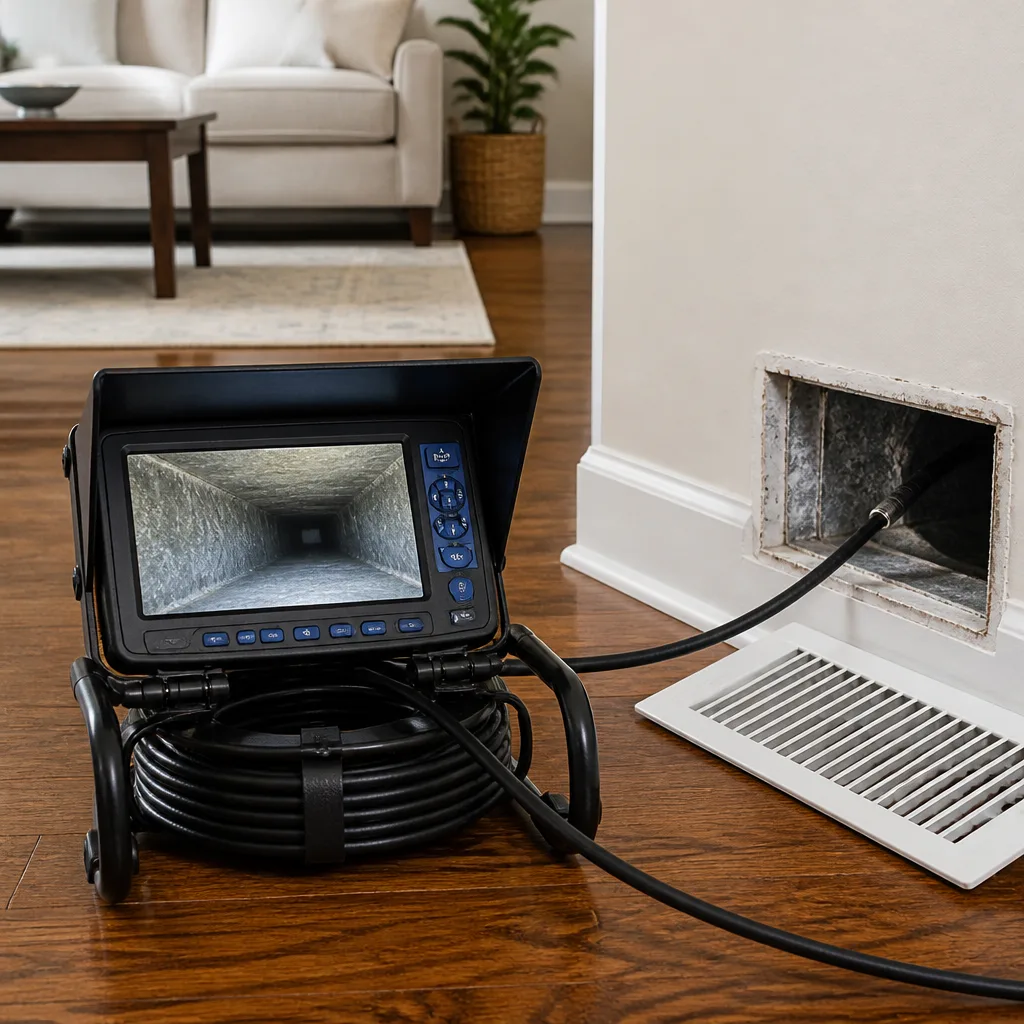 Camera inspection
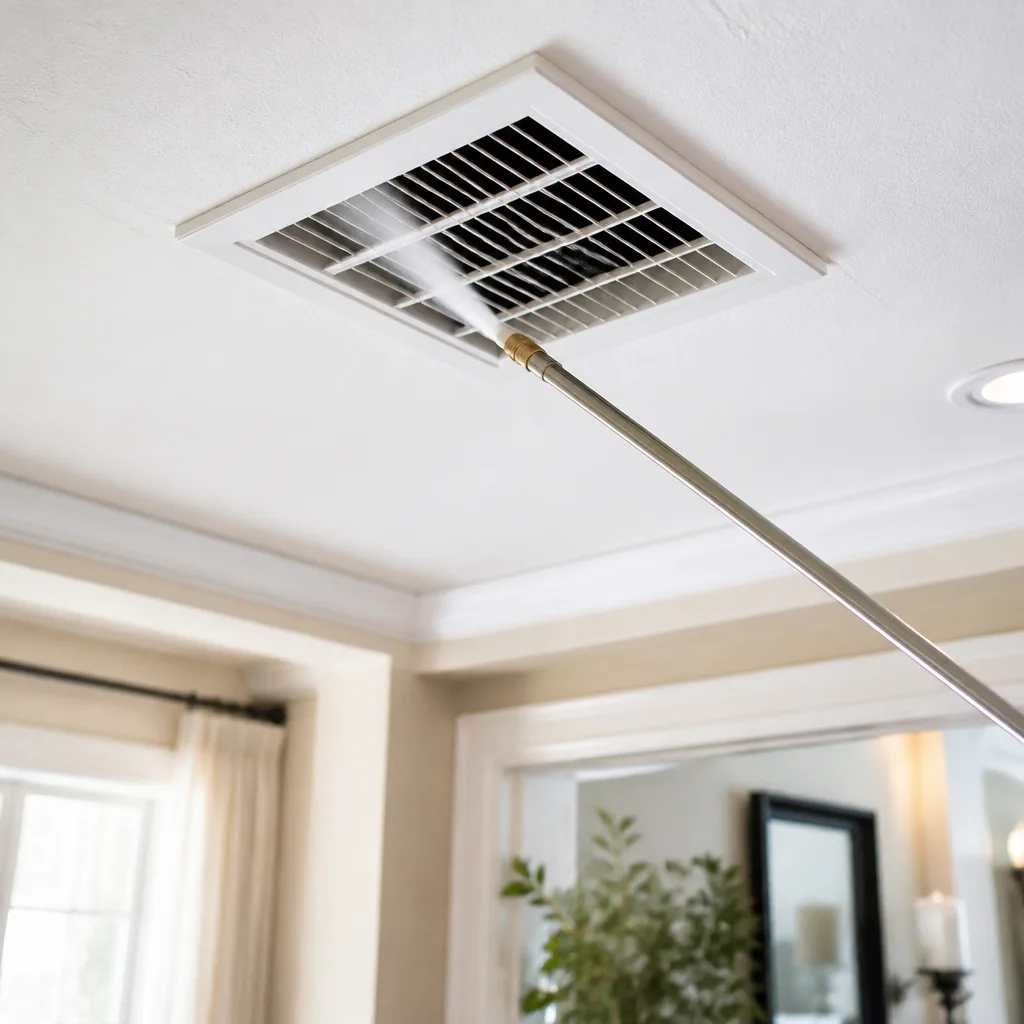 Sanitizing & deodorizing
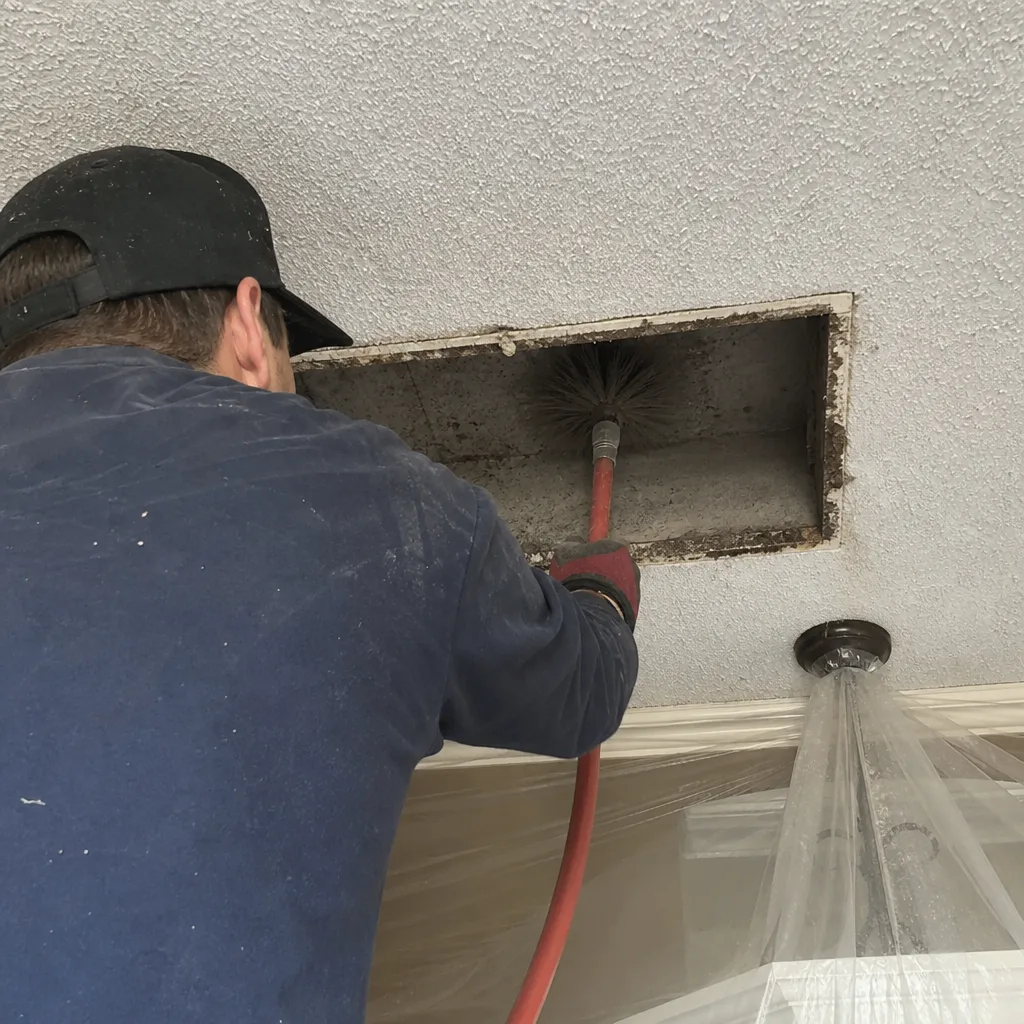
Whole-system duct and dryer vent check with before-and-after photos - you see exactly what came out of your vents
That "$99 whole-house special" is a bait ad - the real number appears once they are in your hallway, or the "clean" is a shop-vac at the register. We photograph the inside of your ducts before and after instead.
Seasonal Air Duct Cleaning Care for Concord: Year-Round Homeowner’s Guide
Most homeowners treat duct cleaning as a once-and-done chore, something to check off the list whenever the house feels dusty. That misses how ducts actually behave here. Concord’s year runs through humid summers, heavy pollen and leaf seasons, and long heating stretches, and each of those phases stresses the duct system in a different way. A cleaning that makes sense in July is the wrong cleaning in November. This guide breaks the year into four seasons and explains what to watch for, inspect, and schedule in each one, so you can plan duct care around how this climate actually works.
Quick Answer
The best seasonal rhythm for air duct cleaning in Concord is a post-winter inspection in March or April to catch microbial growth from winter moisture, a mid-summer check on condensation in attic duct runs, a pre-heating inspection in October before the furnace runs hard, and filter tracking all year to spot contamination early. Cleaning itself usually lands once every few years, but the inspections and filter records are what tell you when.
Styles & brands we work with
- Whole-home duct cleaning
- Dryer vent cleaning
- Camera inspection
- Sanitizing & deodorizing
Table of Contents
- Why Seasonal Duct Care Matters in Concord
- Spring: The Highest-Risk Window for Microbial Growth
- Summer: Is Your Ductwork Sweating Internally?
- Fall: The Right Time for a Pre-Heating Inspection
- Winter: What Furnace Startup Does to Stored Debris
- Tracking Filter Loading as a Contamination Signal
- A Year-Round Duct Care Calendar for Concord
- How Concord’s Housing Stock Changes the Math
Why Seasonal Duct Care Matters in Concord
Concord spends a large share of the year in humid air. The system that cools your home is also pulling moisture-laden air through duct runs, and much of that ductwork sits in attics and crawlspaces where temperatures swing hard. When supply air is cool and the duct surface is warmer, moisture can condense on the inside of the run. It doesn’t take much standing dampness for microbial growth to get a foothold, and once it does, every cycle of the fan pushes spores back into the rooms you live in.
That’s the piece most cleaning schedules ignore. People think about dust and pet hair, which are real, but the bigger driver in this climate is moisture. Debris that stays dry is mostly a nuisance. Debris that gets wet becomes a living surface. The seasonal difference matters because the wet season, the pollen season, and the heavy-run season don’t line up, and a single annual cleaning rarely lands at the right moment for all three.
Here’s the other thing we explain to homeowners who’ve never had the work done: a duct system is not a sealed, static box. It flexes, it collects, it takes on whatever the return side pulls in, and it holds that material until someone removes it. Year-round care is really about knowing which season stresses which part of that system, then checking the right thing at the right time. If you want the basics of the service itself, our page on air duct cleaning covers the process start to finish.
Spring: The Highest-Risk Window for Microbial Growth
March and April are when Concord’s ductwork is most vulnerable, and the reason is counterintuitive. Winter is dry and the HVAC fan runs on heat, so ducts feel fine. Then the outdoor humidity climbs fast while the house is still cool, the system starts switching between heating and cooling, and any dampness that accumulated over the cold months has weeks of mild temperatures to grow in. Spring is when the consequences of a wet winter show up.
A post-winter inspection should look at more than how dusty the return grille looks. Ask for these checks:
- Interior surfaces of the supply runs, especially the first few feet past the air handler, where condensation tends to collect.
- The return plenum and filter slot, which tell you how much material bypassed the filter over the winter.
- Flex duct in unconditioned attic space, checking for sagging, crushed sections, or disconnected joints that let attic air in.
- Visible moisture or staining on duct insulation or nearby framing, which points to a condensation problem rather than a cleaning problem.
- Dryer vent condition, because lint that built up over winter hasn’t moved and will only load further as laundry volume continues.
If the inspection turns up damp or discolored duct interiors, cleaning is the right call before the cooling season arrives and the system starts blowing that material through the house all summer. If it turns up damaged flex or separated joints, that’s a repair, not a cleaning, and it should be fixed before the AC runs hard. We handle both, which is one reason we don’t send you to a second contractor for the repair half. Spring is also a sensible time to have the dryer vent cleaning done, since winter laundry loads tend to be heavier and lint accumulates faster than people expect.
Summer: Is Your Ductwork Sweating Internally?
Internal sweating is the Concord-specific problem that most homeowners have never heard of. Here’s how it works. Your air conditioner produces cold supply air, often in the low 50s. That air travels through flex duct that may be sitting in an attic at 120°F or higher. If the duct’s insulation is thin, compressed, or damaged, the cold surface inside the duct drops below the dew point of the air around it, and moisture condenses on the interior wall. That’s a duct that’s sweating from the inside out, where you can’t see it.
You won’t find it by looking at your vents. The clues are indirect:
- A musty or earthy smell that’s strongest when the AC first kicks on.
- Higher indoor humidity than the system should be able to maintain.
- Water staining on attic decking or insulation below duct runs.
- Condensation or moisture on supply registers or nearby ceiling.
- A duct run that’s visibly crushed, kinked, or missing insulation in the attic.
If you notice any of these, the problem isn’t solved by cleaning alone. A technician needs to find the run that’s sweating, correct the insulation or the routing, and then clean out what the moisture supported. Cleaning a duct system that still has a condensation problem just means it grows back. This is one of the reasons we bring commercial-grade containment gear to humid-climate jobs: Abatement Technologies equipment lets us control the work area when a duct system has been wet and soiled, so the cleaning doesn’t redistribute what’s in there.
Summer is also when the system runs longest. More run hours means more air through the filter, which is why filter checks matter more in July than in April. We’ll come back to that.
Fall: The Right Time for a Pre-Heating Inspection
October is the single most valuable inspection slot on the Concord calendar, and most homeowners miss it by waiting until December, when something already smells wrong. Between October and December, the system shifts from cooling to heating, and the first weeks of furnace operation push air through ductwork that has been sitting through pollen season and leaf fall. Fall is when the outdoor air is thick with particulates that find their way into returns through every gap and open door, and it’s also when the heating system is about to start moving that material into the living space.
Inspect in October and you catch problems before they’re baked in by weeks of heating operation. Wait until December and you’re cleaning up after the fact rather than preventing it.
A pre-heating inspection should cover:
- Overall debris load in the main trunk and branch runs, since fall is peak accumulation.
- Filter condition and fit, checking that it’s seated properly and not bypassing at the edges.
- Return duct condition, since fall pollen and leaf debris enters mostly through the return side.
- The heat exchanger interface, which we’ll cover in the winter section.
- Dryer vent, because the fall lint load plus cooler, slower-drying laundry adds up.
For homeowners in Concord, fall is also the best time to get the whole system cleaned if it’s due, because it clears the accumulated summer and fall load before it gets pushed through the house all winter. If you’re on the fence about whether it’s needed, an inspection in October is a low-commitment way to find out. Our team works across the area, including neighborhoods like Poplar Tent, Kannapolis-adjacent communities, and the older streets near downtown, so scheduling in the fall window is usually straightforward.
Winter: What Furnace Startup Does to Stored Debris
When the gas furnace comes on for the season, it changes how air moves through the whole system. The blower runs differently on heat than on cool, static pressure shifts, and air that has been moving gently through the ducts all summer starts moving faster and hotter. Anything that settled during the mild months gets picked up. That’s why a duct system that seemed fine in September can produce a distinct smell or a visible dust puff at the registers in the first heating cycles of the year.
Winter is also the season when the technician’s attention should shift to the heat exchanger interface.
Here’s the safety piece, and it’s worth being direct about it: gas furnace components and the heat exchanger are not a do-it-yourself inspection area. Carbon monoxide risk is real, and a technician who doesn’t know what they’re doing around combustion equipment can create problems rather than find them. What a qualified technician checks at the heat exchanger interface includes visible cracks or corrosion on the exchanger, the condition of the flue and venting, the seal at the duct connection to the furnace cabinet, and whether return air is pulling from a space that could introduce contaminants into the supply.
Duct cleaning and furnace repair are different jobs. We don’t do furnace service, and we’ll say so. What we do is clean the duct system and report what the cleaning reveals at the furnace connection. If the inspection turns up something on the furnace side, that’s a call for a qualified HVAC technician, and we’ll tell you that plainly. The winter care piece we own is making sure the debris the heating season mobilizes gets removed rather than re-circulated, and that any duct damage around the furnace connection is repaired so return air isn’t bypassing into the supply.
Tracking Filter Loading as a Contamination Signal
This is the one habit that separates homeowners who stay ahead of duct problems from homeowners who find out about them the expensive way. Every time you change the filter, write the date on the old one and note roughly how loaded it was. That’s it. That simple record becomes a contamination velocity gauge, and almost nobody does it.
Here’s why it works. A filter that loads evenly and predictably means the duct system is pulling reasonable air and the filter is doing its job. A filter that loads fast, or loads on one side only, or shows a film of fine grey material that isn’t typical house dust, is telling you something changed. A sudden drop in filter life often means a return duct has pulled in construction debris, pest activity, or attic air through a failed joint. A filter that stays clean much longer than usual can mean the opposite: a collapsed or disconnected run is starving the return, and air is coming in from somewhere you don’t want.
We tell homeowners to watch three things:
- Change interval. Note how many weeks between changes. A shortening interval is a signal.
- Loading pattern. Even loading is normal. One-sided or patchy loading suggests bypass or a duct issue.
- Material type. Grit, fiberglass strands, or a fine grey film are worth showing to a technician.
We also work with and around whole-home air quality systems from Honeywell and Aprilaire. When a home has one of those systems integrated into the ductwork, the filter record becomes even more useful, because it tells you whether the IAQ equipment is functioning as designed or whether the ducts feeding it are the weak link. Filter tracking won’t clean your ducts. It will tell you when cleaning is actually due instead of guessing.
A Year-Round Duct Care Calendar for Concord
Here’s the year laid out in practical order. This isn’t a rigid schedule; it’s the sequence that matches how the climate stresses the system.
- March – April: post-winter inspection. Check for moisture, microbial growth, and duct damage before the cooling season starts. Clean if the inspection warrants it.
- May: pre-summer filter and return check. Confirm the filter is seated correctly and the returns are clear before the system starts running long hours.
- June – August: mid-summer sweating check. Watch for musty odors, high indoor humidity, and attic moisture. Any sign of internal condensation needs a technician, not just a cleaning.
- September: dryer vent check. Fall laundry volume rises and drying slows; a loaded vent is a fire risk at exactly the wrong time.
- October: pre-heating inspection. The most valuable inspection of the year. Get the system assessed before the furnace starts pushing fall debris through the house.
- November – February: monitor during heating season. Watch for new smells, visible dust at registers, and short filter life. Repair any duct damage the fall inspection flagged.
- All year: record every filter change with the date and loading pattern. Use the record to decide when the next professional cleaning is due.
For most Concord homes, that means one professional cleaning every few years combined with two inspections a year. Homes with pets, older ductwork, recent renovations, or occupants with respiratory sensitivities may need more frequent work. The calendar is a starting point; the inspections are what tell you whether to adjust it.
How Concord’s Housing Stock Changes the Math
Concord’s housing isn’t uniform, and the age and construction of the home shapes the duct care plan as much as the weather does. Older homes in and around downtown often have ductwork that was retrofitted rather than designed with the house, which means runs that take odd paths, flex sections spliced into rigid trunk lines, and connections that were never quite right. Those systems collect debris differently and tend to develop moisture problems at the splice points.
Newer construction in the outer neighborhoods usually has better-sealed ductwork but tighter building envelopes, which means less natural air exchange and more reliance on the HVAC system for fresh air. In those homes, a duct contamination problem gets recycled through the house more thoroughly because there’s less leakage to dilute it.
Homes on crawlspace foundations present their own issue: duct runs in a crawlspace see different humidity and temperature swings than attic runs, and crawlspace moisture can wick into duct insulation from below. If your ducts run through a crawlspace, the inspection should include a moisture reading on the duct insulation, not just a visual look.
Property managers and landlords face the same seasonal pattern multiplied across units. Tenant air quality complaints cluster in spring and fall for exactly the reasons described above, and a proactive inspection schedule is easier to manage than reactive calls. We work with light-commercial and multi-unit properties, and the seasonal logic scales up cleanly: inspect in the shoulder seasons, clean when the inspection warrants it, track the filters.
Common Mistakes to Avoid
- Cleaning once and assuming it’s done forever. Ducts are not a one-time problem. Concord’s seasons keep depositing material and creating moisture conditions, so a cleaning resets the clock but doesn’t stop it. Plan the next inspection from the day the work is finished.
- Waiting for a smell before inspecting. By the time you smell mustiness, the microbial growth has been in the duct for weeks or months. The spring and fall inspections exist to catch it earlier.
- Skipping fall and cleaning only in spring. Spring catches what winter left behind, but fall catches the pollen and leaf load before the furnace pushes it through the house. Both slots matter.
- Treating a condensation problem as a cleaning problem. If a duct run is sweating internally, cleaning it without fixing the insulation or routing just means it comes back. The repair has to come first.
- Buying the cheapest quote and assuming the equipment is equivalent. A shop vac and a length of hose is not a duct cleaning system. Ask what equipment the company uses. Purpose-built rotary brush and vacuum systems from Rotobrush and Nikro are what the work actually requires.
- Ignoring the dryer vent because it’s a separate system. It’s a leading cause of residential house fires, and it clogs on the same seasonal rhythm as the rest of the ductwork. It should be part of the annual plan, not an afterthought.
- No filter record. Without a record of change dates and loading patterns, you’re guessing about contamination velocity. A notebook or a note on the phone is all it takes.
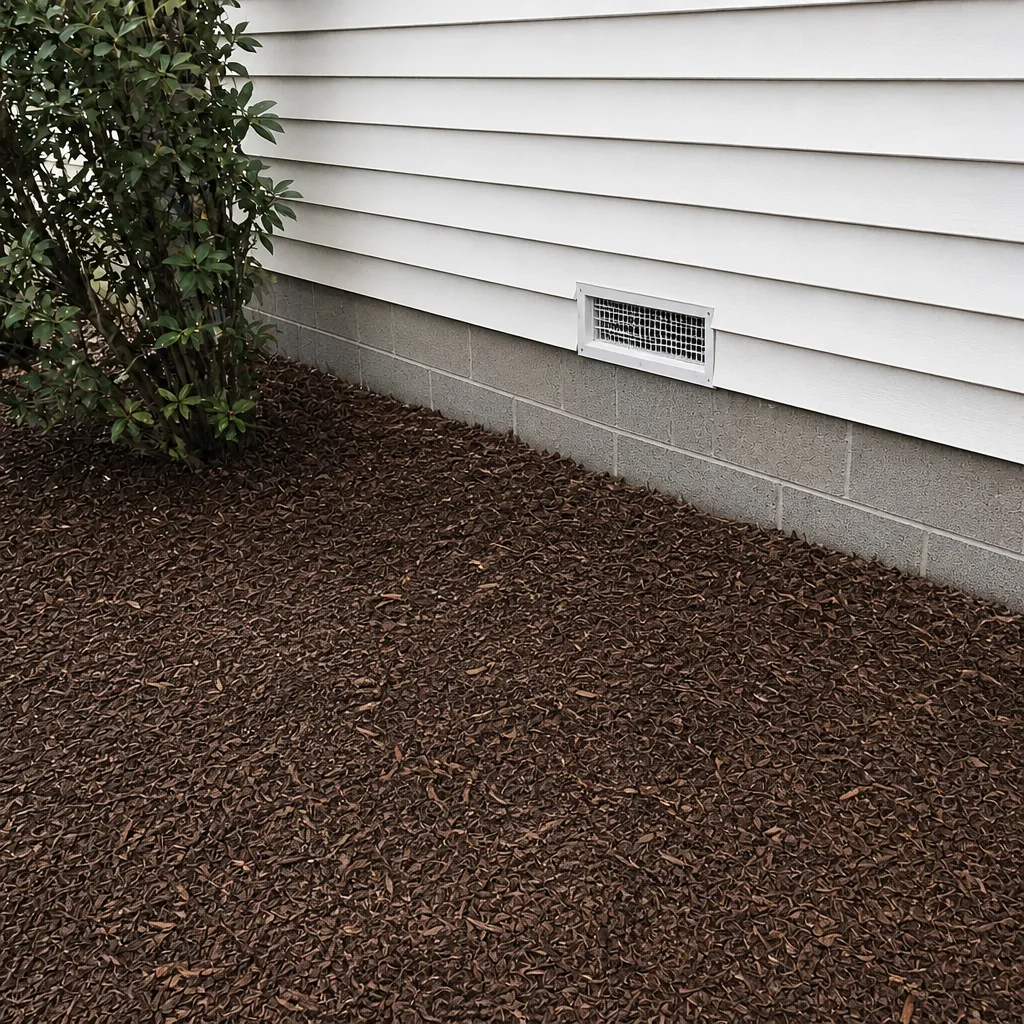
See the difference
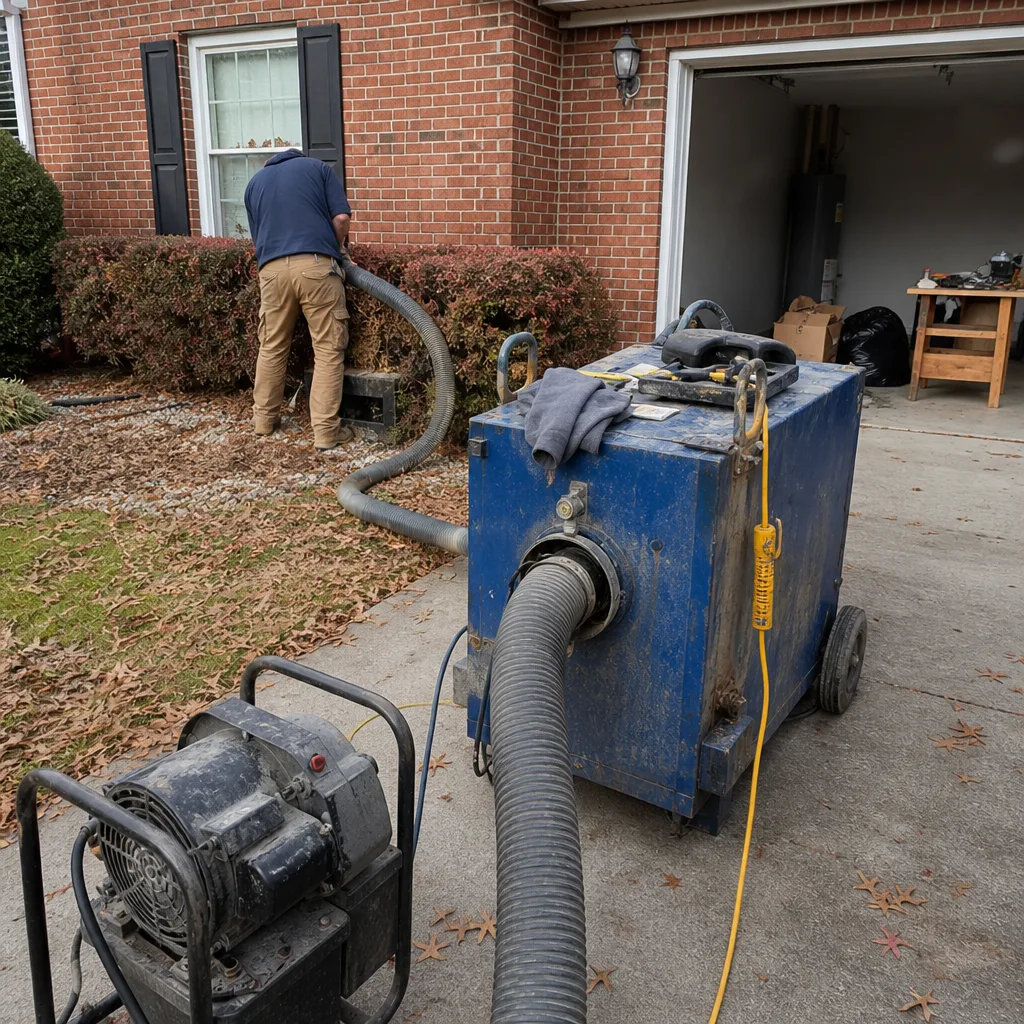 Before
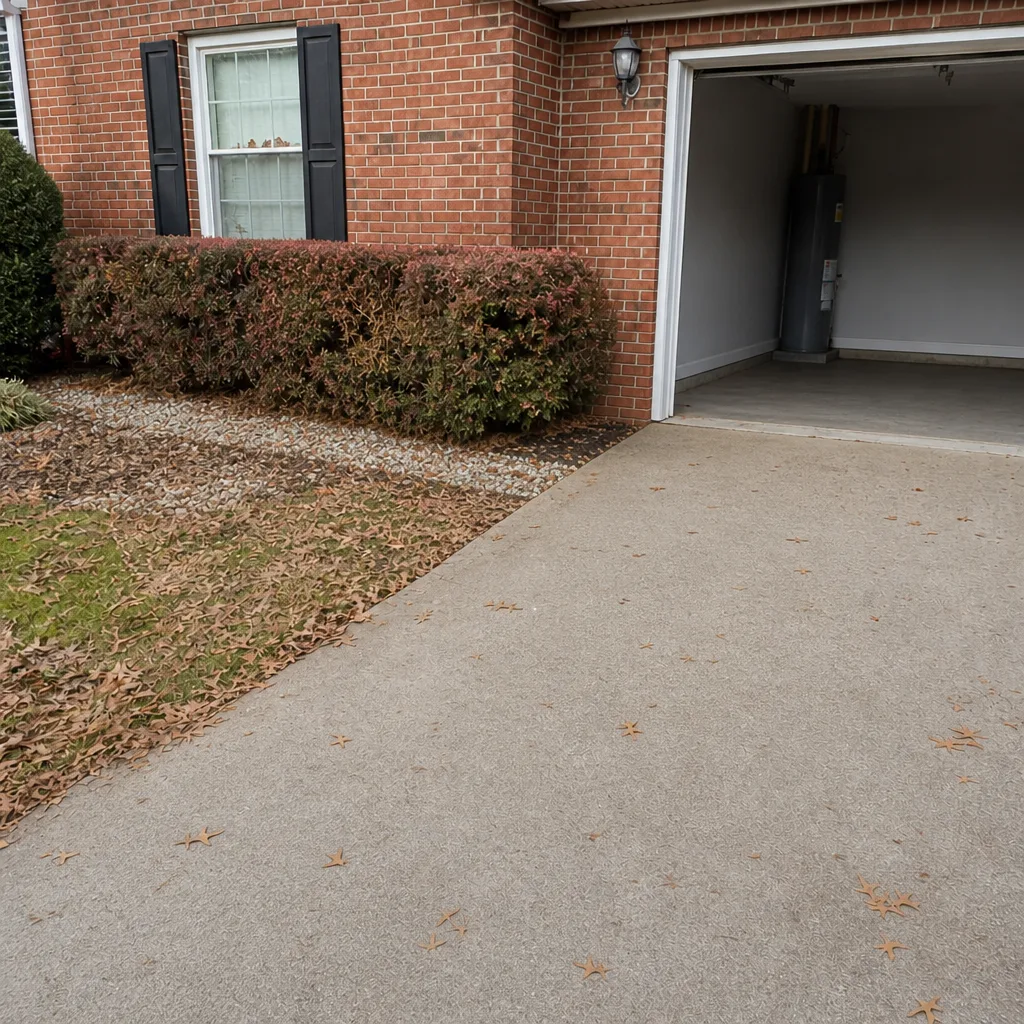 After
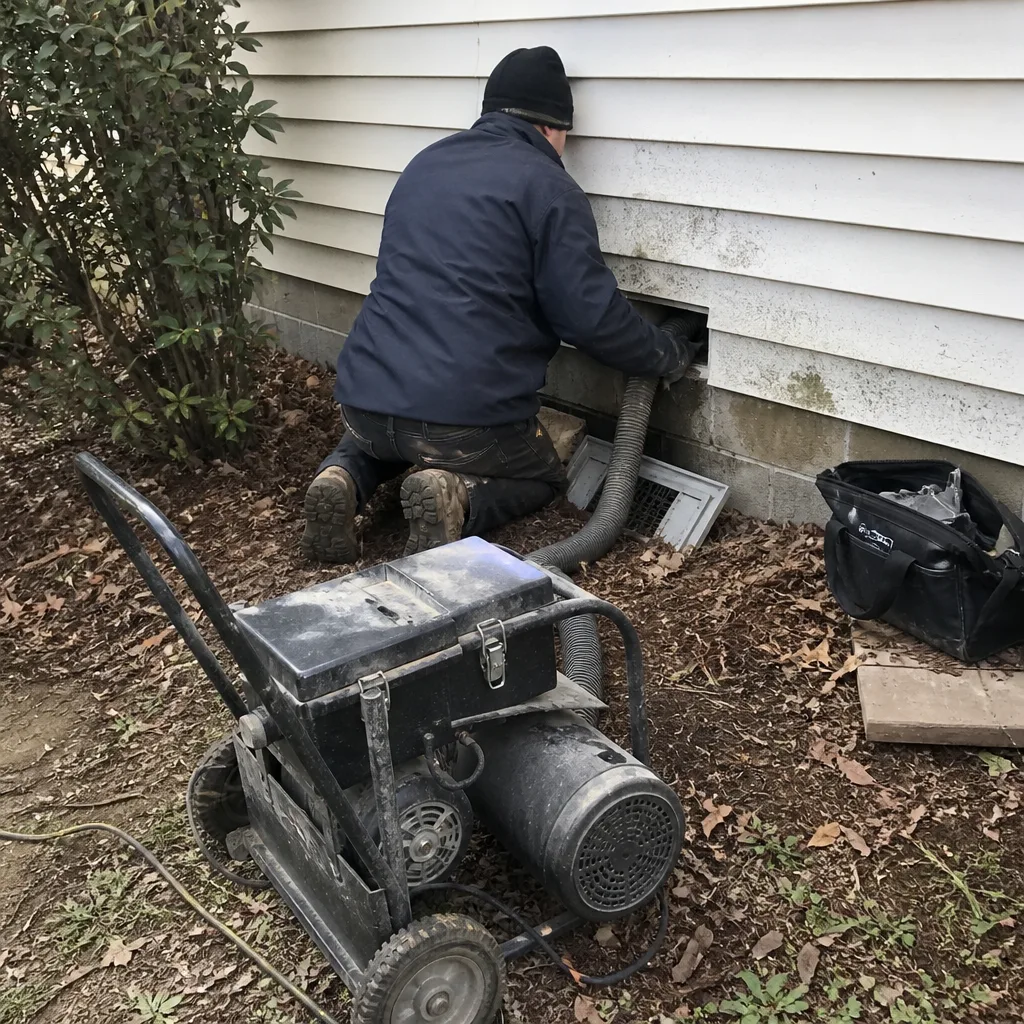 Before
 After
 Before
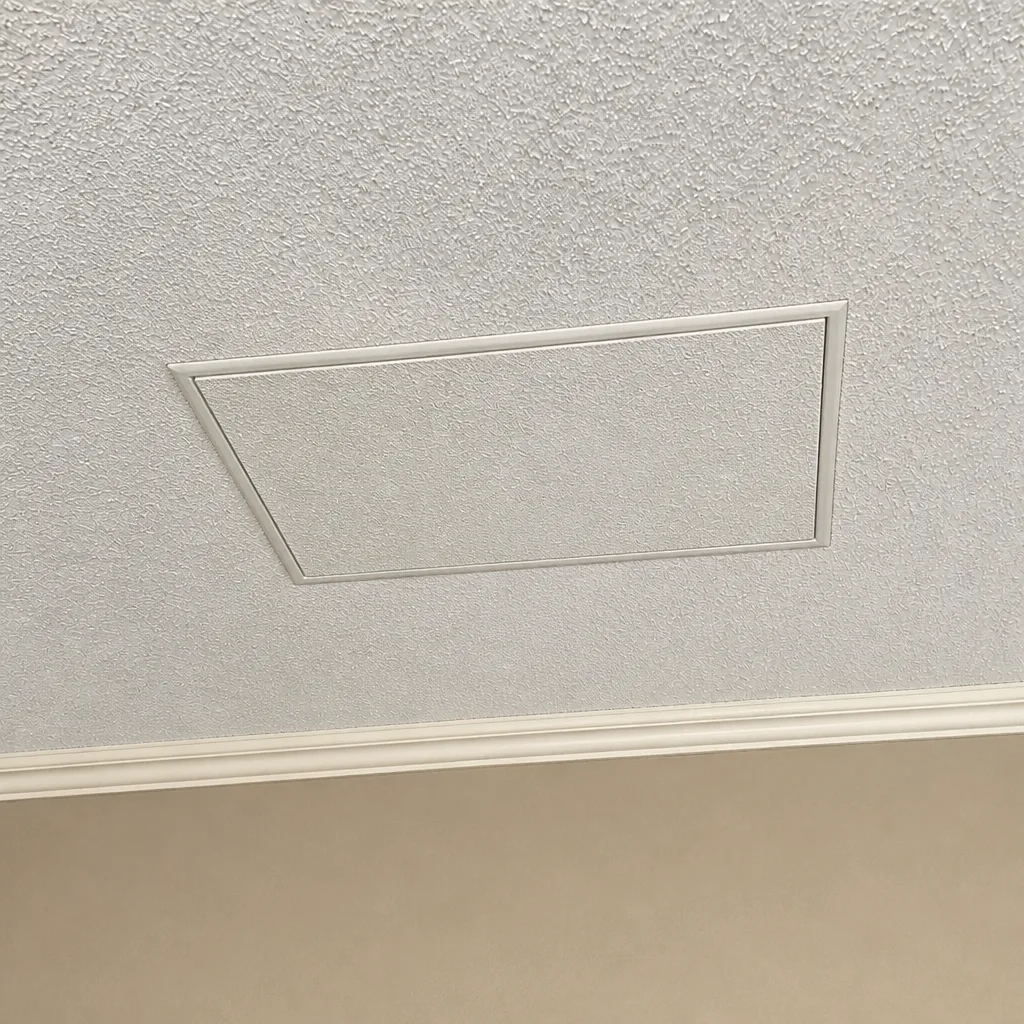 After
When to Call a Professional
Some duct issues are seasonal maintenance. Others need a call. You should call a professional if you notice a musty or earthy smell that gets stronger when the system starts, visible dust puffs at the registers when the fan kicks on, condensation or water staining on ductwork or nearby surfaces, a filter that’s loading much faster than it used to, or any sign of damage around the furnace connection. You should also call if it’s been several years since the last cleaning and you’ve never had an inspection. Duct Cleaning Concord offers free estimates in Concord. Call (888) 687-3361. We answer 24/7. Fast dispatch from 7am to 7pm, Sunday through Friday.
Frequently Asked Questions
Most homes in Concord do well with a professional cleaning every few years, paired with two inspections a year in spring and fall. The right interval depends on pets, occupants, recent renovations, and what the inspections find, so treat any specific number as a starting point rather than a rule. Call (888) 687-3361 for a free estimate.
Spring is when winter moisture that accumulated in the ductwork meets the first warm, humid air of the year, giving microbial growth the conditions it needs. The system is also switching between heating and cooling, which moves air through in different patterns and stirs up what settled. A post-winter inspection in March or April is the best defense.
Internal sweating happens when cold supply air travels through a duct run that’s warm on the outside, usually flex duct in a hot attic, and moisture condenses on the inside wall. You can’t see it directly, but musty odors, high indoor humidity, and attic staining are clues. It’s worth having a technician look, because cleaning alone won’t fix it.
Gas furnace startup changes the air volume and temperature moving through the ducts, which mobilizes debris that settled during the milder months. The first heating cycles push that material into the living space. A fall inspection, before the furnace starts running hard, catches the problem before it’s recirculated all winter.
Track your filter changes. Write down the date and note how loaded the filter was. A filter that loads faster than usual, loads on one side, or captures fine grey material is telling you the duct system is pulling in more than it should. Combined with a spring and fall inspection, the filter record is the most reliable signal you have. Call (888) 687-3361 to schedule an estimate.
Yes. We handle air duct cleaning, dryer vent cleaning, and air duct repair in-house, so a repair the inspection uncovers doesn’t require a second contractor. That matters most in spring and fall, when inspections often turn up damage alongside dirt. Call (888) 687-3361 for a free estimate.
The Bottom Line
Duct care in Concord isn’t a single annual task. The climate stresses the system differently in every season: spring brings microbial risk from winter moisture, summer tests whether your attic runs are sweating internally, fall loads the system with pollen and leaf debris before the furnace pushes it through the house, and winter mobilizes whatever was left from the milder months. Inspect in spring and fall, clean when the inspection warrants it, send the dryer vent through the same schedule, and keep a simple record of every filter change. That record, more than any fixed schedule, will tell you when the next cleaning is actually due. If you want a professional read on where your system stands, call (888) 687-3361. We answer 24/7. Fast dispatch from 7am to 7pm, Sunday through Friday.
We clean, we clear, we repair, and we do it with commercial-grade equipment brought to your home. You can learn more about Duct Cleaning Concord and the rest of what we do.
Written by the team at Duct Cleaning Concord, serving Concord since 2013.