
Last updated November 14, 2026
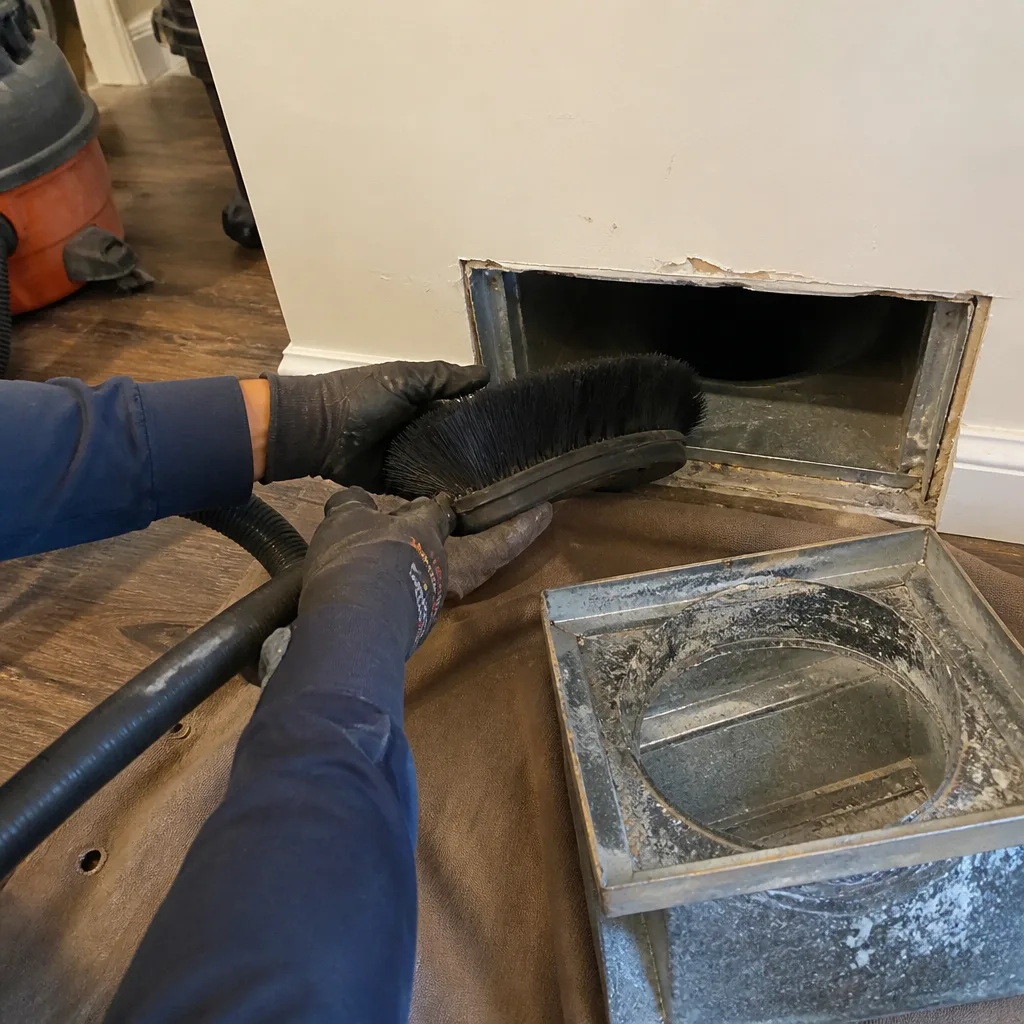
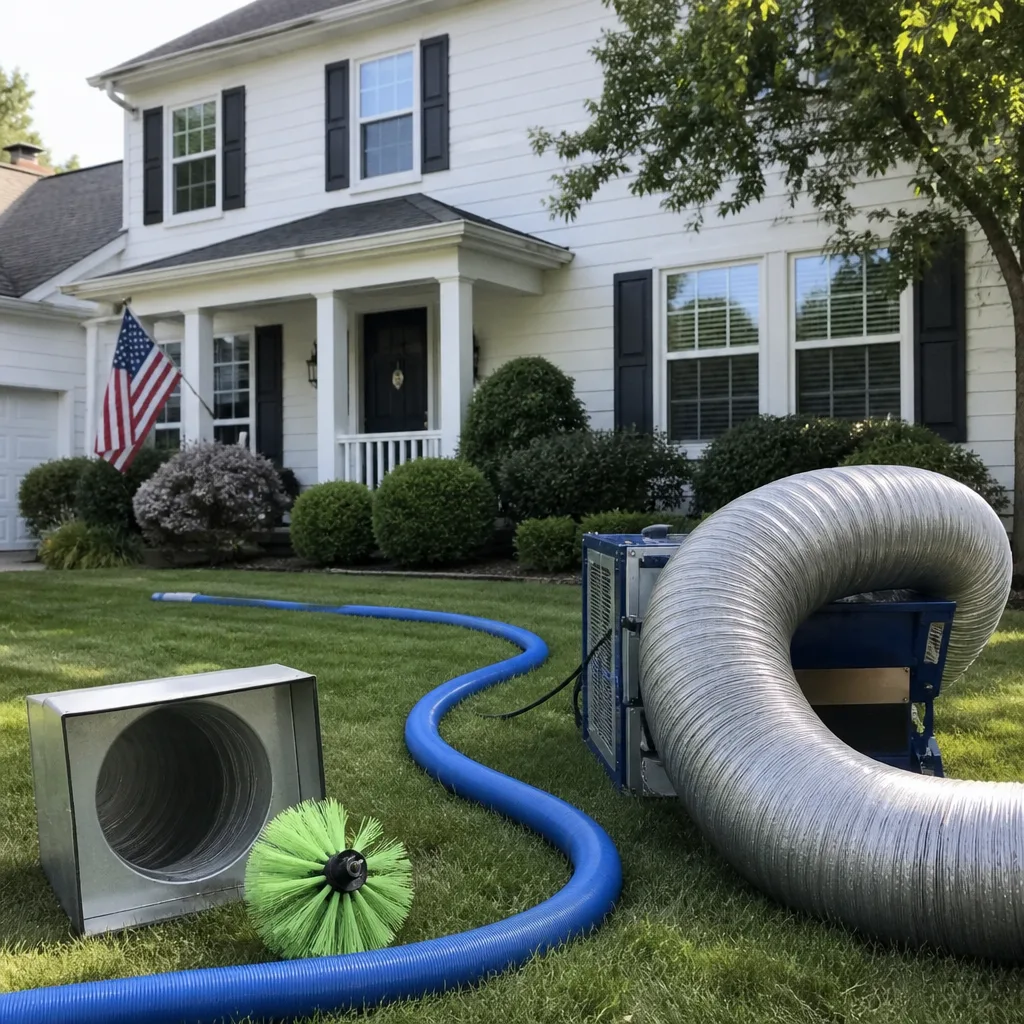 Whole-home duct cleaning
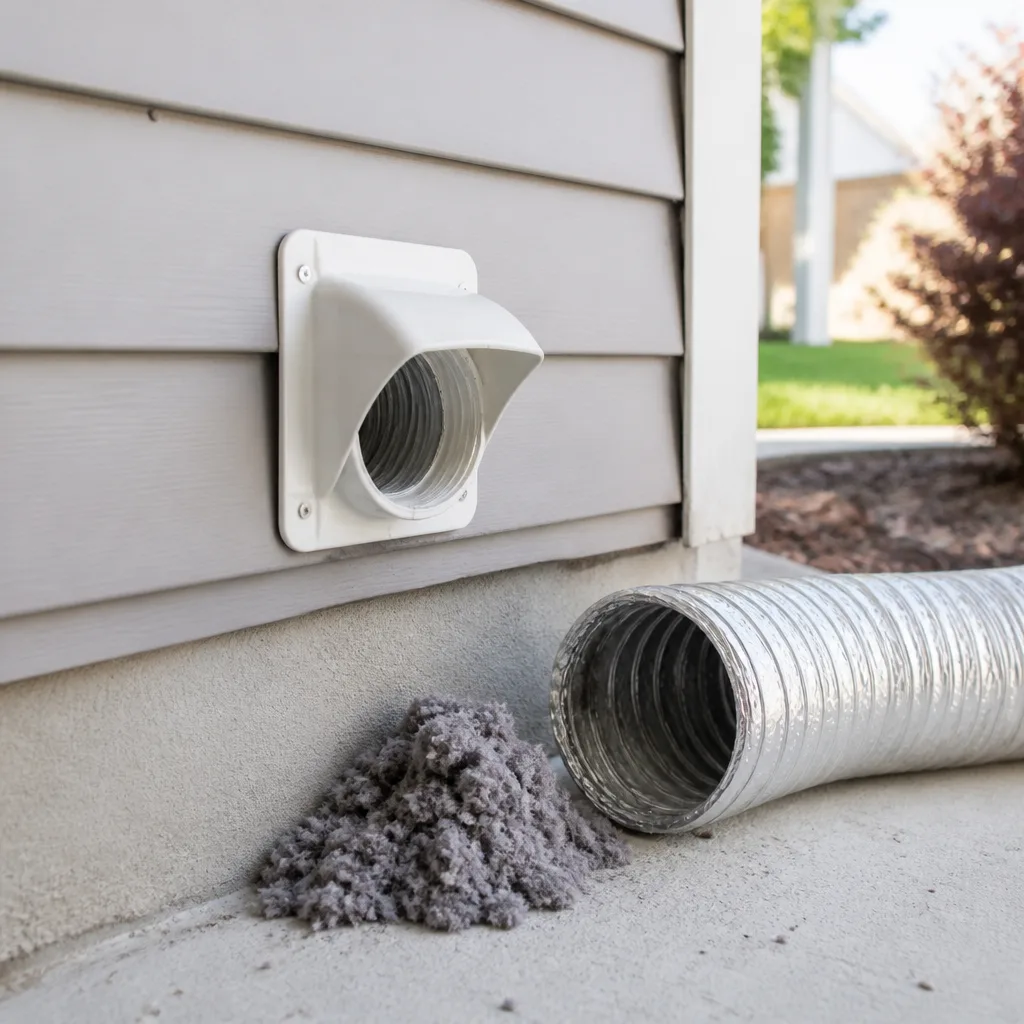 Dryer vent cleaning
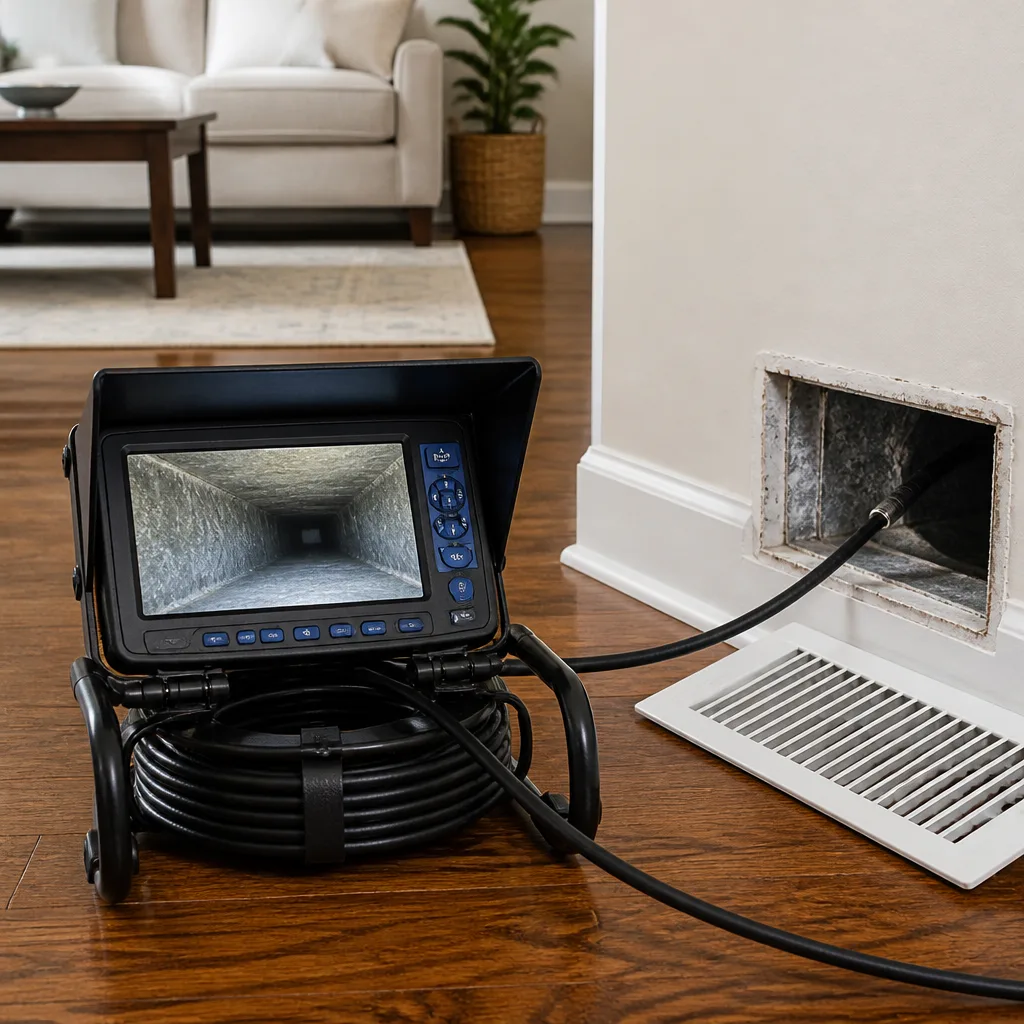 Camera inspection
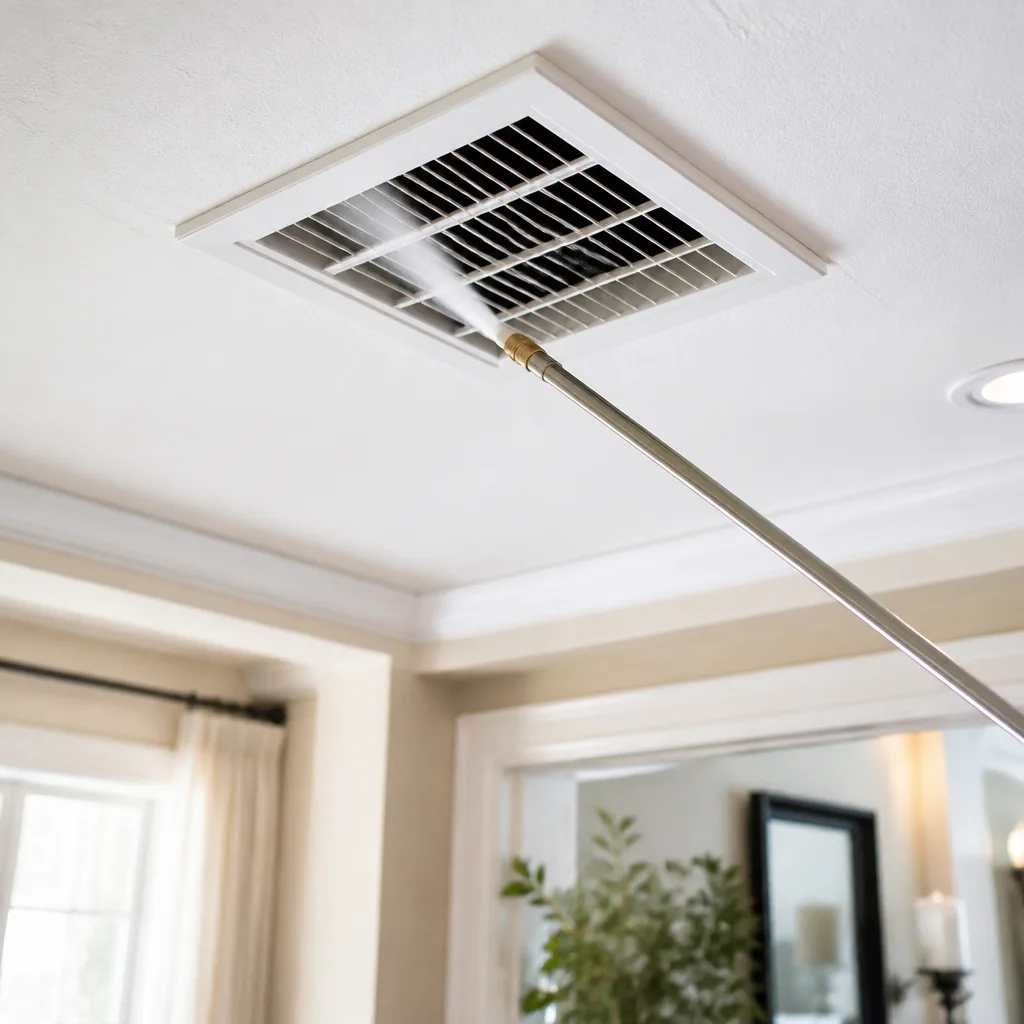 Sanitizing & deodorizing
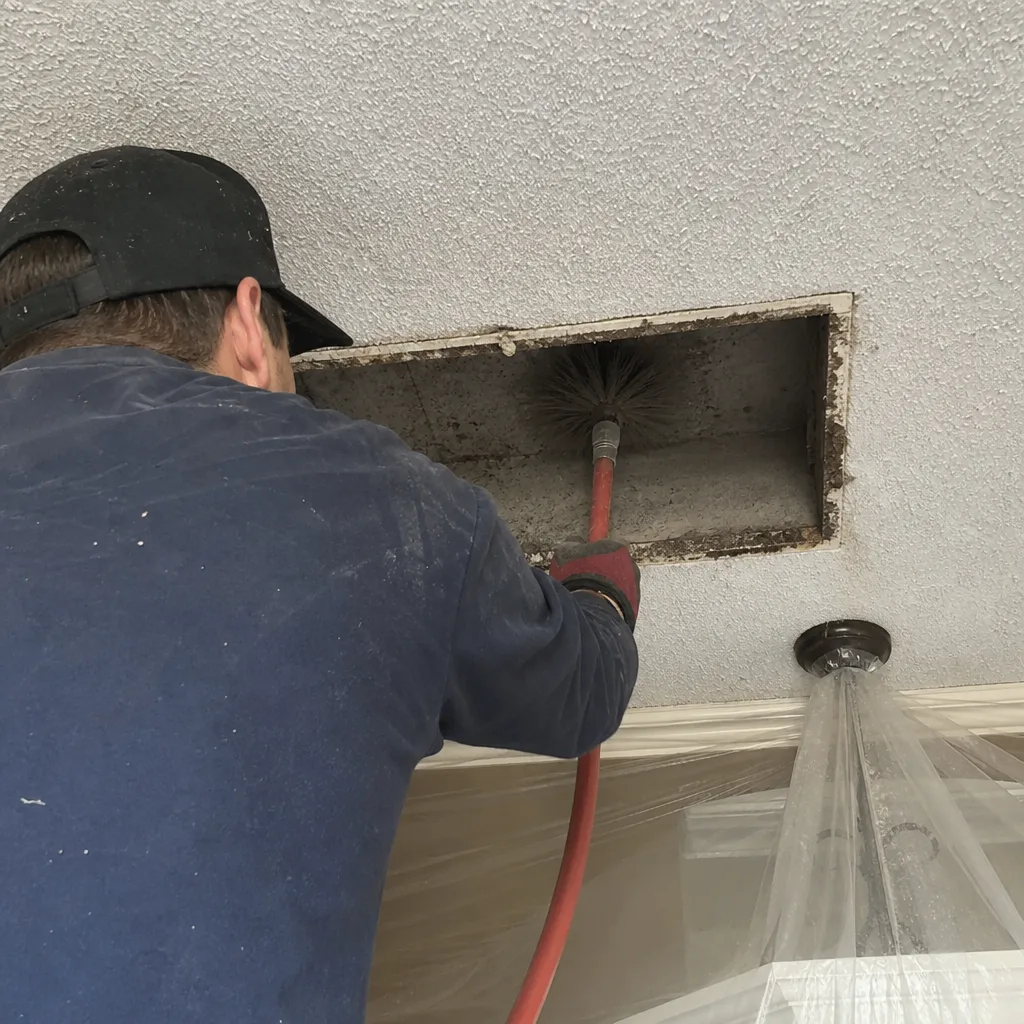
Whole-system duct and dryer vent check with before-and-after photos - you see exactly what came out of your vents
That "$99 whole-house special" is a bait ad - the real number appears once they are in your hallway, or the "clean" is a shop-vac at the register. We photograph the inside of your ducts before and after instead.
DIY vs Professional Air Duct Cleaning: The Concord Homeowner’s Decision Guide
Here’s the part most duct cleaning articles skip. A consumer-grade duct cleaning kit from a big-box store moves roughly 50 to 80 CFM of airflow. The negative-air machines we run in a house move 2,000 to 4,000 CFM. That’s not a quality difference. It’s a physics difference, and no technique, patience or YouTube tutorial closes it. It matters most in Concord homes where the ducts sit in unconditioned crawlspaces and attics, humid through July and August, because loose dust doesn’t just sit there. It feeds what grows. This guide tells you which duct tasks are genuinely yours to do, and which ones can make your air worse.
Quick Answer
For a Concord homeowner, DIY cleaning works only for the reachable parts: registers, grilles, and the first few feet of straight metal duct you can see. Anything past that, especially flex duct runs, requires professional equipment. If your ducts show signs of mold, rodent activity, or soot, DIY isn’t just less effective: it can spread contaminants through your living space. A pro with a Rotobrush rotary brush and a Nikro negative-air machine agitates the debris and captures it at the same time, which is the only way the material actually leaves the house.
Styles & brands we work with
- Whole-home duct cleaning
- Dryer vent cleaning
- Camera inspection
- Sanitizing & deodorizing
Table of Contents
- What DIY Duct Cleaning Can Actually Do Well
- Why Your Shop Vac Can’t Match Professional Equipment
- The Flex Duct Problem That Costs More to Fix
- Three Contamination Types That Make DIY Risky
- How Professional Cleaning Actually Works, Step by Step
- Your Four-Question Decision Matrix
- Why Concord’s Climate Changes the Answer
- When to Call a Professional
What DIY Duct Cleaning Can Actually Do Well
There are three scenarios where cleaning your own registers and grilles is genuinely the right call. No professional needed, no cost. In our experience, homeowners who handle these basic tasks keep their systems cleaner between full cleanings, and that’s worth something.
Scenario one: seasonal register cleaning. Supply and return registers collect dust, pet hair, and pollen at the face. Pop them off, wash them in the sink with mild soap, dry them fully, and reinstall. Do this when you change your HVAC filter. In Concord, that’s especially worth doing at the turn of spring because the oak and pine pollen season coats everything.
Scenario two: grille face and visible boot wiping. With the register removed, you can see a short stretch of the boot and, in many homes, the start of the trunk. A damp cloth and a flashlight let you wipe down that visible section. This removes surface dust that would otherwise get pulled back into the airstream.
Scenario three: filter maintenance. The most effective thing a homeowner can do for air quality isn’t cleaning the ducts at all. It’s changing the filter on schedule and using the correct MERV rating for your system. A filter that’s too restrictive chokes airflow; one that’s too loose passes everything. Check with your HVAC tech on the right rating.
Notice what’s missing from that list: anything past the boot. The moment you’re reaching into a duct run you can’t see the whole length of, you’re guessing. And in the homes we service around Concord, from the older neighborhoods near downtown to the newer builds out toward Harrisburg, that guess is where people get into trouble.
Why Your Shop Vac Can’t Match Professional Equipment
The airflow gap is the whole story. A typical shop vac pulls somewhere in the range of 50 to 80 CFM at the hose end. On a sealed system, a Nikro negative-air machine pulls thousands. When you hook a shop vac to a duct, the vacuum doesn’t create meaningful negative pressure inside the run, so what you’re really doing is stirring dust while catching only a fraction of it. The rest drifts back out of the register.
Professional cleaning solves this with two things happening at once:
- Mechanical agitation. A Rotobrush rotary brush spins inside the duct and physically breaks debris loose from the walls. Dust in a duct isn’t a loose coating; it’s adhered, and it builds up in layers with humidity and use. Suction alone won’t lift it.
- Simultaneous source-removal suction. While the brush agitates, a negative-air machine holds the entire duct run under vacuum and pulls the loosened material to a collection point. The debris is captured as it’s freed, not after.
That combination, agitation plus containment at the same time, is the mechanical reason professional cleaning works and consumer kits don’t. There’s also the matter of what a brush reaches. A rotary brush travels the full length of a run and gets into the corners and seams where debris accumulates. A shop vac hose pokes into a duct and touches maybe the top and bottom of one section.
We bring commercial-grade Rotobrush and Nikro equipment into Concord homes because that’s what the work requires. It’s built for this work specifically, not adapted from yard cleanup. Duct Cleaning Concord runs that same platform on residential and light-commercial jobs alike, and you can read more about how we approach air duct cleaning on our main service page.
The Flex Duct Problem That Costs More to Fix
This is the failure mode we see most often, and it’s the one that turns a cheap DIY project into an expensive repair. Flex duct, the ribbed silver tubing common in Concord homes built in the last thirty years, is a plastic inner liner wrapped around a wire coil, encapsulated in insulation. The liner is thin. It’s not built to take the friction of a hose being shoved and dragged through it.
What goes wrong, in order:
- The homeowner feeds a shop vac hose down the run, meets resistance at a bend, and pushes harder.
- The inner liner tears or separates from the wire coil. Once it’s loose, it can collapse inward.
- At the plenum boot where the flex connects to the trunk, the hose catches the connection and pulls it partially off.
- The system now leaks at the boot and has a partially blocked run. Airflow drops, the system works harder, and some rooms stop heating or cooling properly.
None of that is visible from outside. What you notice is a room that used to be comfortable and isn’t, followed by an HVAC call and possibly a re-duct of that run. The repair costs more than the cleaning would have. In our work around Concord, this is a conversation we have with homeowners after the fact far more often than we’d like.
Flex duct can be cleaned properly, but it takes a rotary brush with controlled tension and a technician who knows when to stop. It is not a DIY target. If your runs are flex, leave them alone and let a professional handle the interior. Connection integrity is the thing worth protecting, and it’s not something you can check by eye.
Three Contamination Types That Make DIY Risky
Here’s where the DIY-versus-pro question stops being about effectiveness and becomes about safety. Certain contamination types should not be disturbed by anyone without containment equipment. Agitating them with a shop vac mobilizes them into your living space.
Mold inside the duct
Concord’s summers run humid, and a duct system in an unconditioned crawlspace or attic stays damp for months. That’s enough for mold to establish on dust-lined duct walls. If you see dark speckling around a register or smell a musty odor when the system kicks on, there’s a reasonable chance of mold in the run. Vacuuming a mold colony with a shop vac launches spores into the airstream and straight into the rooms you’re trying to protect. This is not a job to attempt; it needs containment and proper equipment from the start.
Rodent fecal matter
Mice and squirrels get into ducts through gaps in crawlspaces and attic penetrations. Their droppings and nesting material carry real pathogen risk when aerosolized. A consumer vacuum with a basic filter doesn’t contain that material; it exhausts it. Disturbing rodent debris in a duct without proper filtration is the clearest example of a DIY job that makes conditions worse.
Post-fire soot deposits
After a house fire or even a contained kitchen fire, soot travels through the HVAC system and settles on duct surfaces. Soot particles are fine and travel easily. Cleaning that requires air filtration and containment equipment, which is why we carry Abatement Technologies gear for jobs in contaminated or remediation-adjacent duct environments. Many duct cleaners won’t take these jobs. We will, because we have the equipment to do it correctly.
If any of those three describe your situation, the answer isn’t DIY and it isn’t a cheap cleaning. It’s a proper assessment. Call (888) 687-3361 and describe what you’re seeing.
How Professional Cleaning Actually Works, Step by Step
Knowing what a real cleaning looks like lets you evaluate any quote you get. Here’s the general sequence for a full-system cleaning in a Concord home.
- System assessment. We inspect the accessible ductwork, note the material (metal, flex, or a mix), and check for contamination signs and disconnected runs before touching anything.
- Negative pressure setup. A Nikro negative-air machine connects to the system and holds the entire duct run under vacuum. Everything loosened from here on is pulled toward the collection point, not into the house.
- Rotary brush agitation. A Rotobrush rotary brush travels each run, breaking debris free from the walls. This is the step a shop vac cannot replicate.
- Register and boot cleaning. Each supply and return is cleaned at the face and through the boot.
- Containment where needed. Heavily soiled or compromised systems get Abatement Technologies containment and filtration so nothing escapes into the living space.
- Verification and photos. We show before-and-after photos of your own ducts so you can see what came out and what the interior looks like now.
Notice that repair sits at the end of this list for a reason. If the inspection turns up a disconnected boot, a collapsed liner, or a damaged section, we fix it. Duct Cleaning Concord handles cleaning, clearing, and repair in-house, so you’re not calling a second contractor to finish what the first one started. We also work with Honeywell and Aprilaire whole-home air quality systems, which matters if your ductwork integrates with filtration or humidification equipment. In that case, the ducts are part of a larger system, and cleaning needs to respect it rather than bypass it.
Your Four-Question Decision Matrix
Answer these four questions honestly. They route you clearly toward either DIY maintenance or professional intervention.
Question 1: Have these ducts ever been professionally cleaned? If the answer is no, or you don’t know because you bought the house and nobody kept records, start with a professional assessment. A system that’s never been cleaned has years of accumulation in it, and a DIY pass won’t make a dent in the interior of the runs.
Question 2: What do you see and smell at the registers? Visible dark speckling, a musty smell when the system runs, or droppings anywhere near a duct opening all point to professional work, and specifically to the contamination handling covered above. If the registers are just dusty and the air is neutral, DIY register cleaning is fine.
Question 3: What kind of duct runs do you have? Look in the attic or crawlspace. Rigid metal duct you can see the full length of is more forgiving. Flex duct is not. If you’re not sure what you’re looking at, that’s your answer: get an inspection.
Question 4: Any recent renovation, pest problem, or fire? Drywall dust from a remodel travels the whole system. Pest activity means rodent debris. A fire means soot. Any of these means professional cleaning with containment, not a shop vac.
Two or more “professional” answers and you know where you stand. If all four came back toward DIY, then clean your registers, change your filter, and you’re done. For a comprehensive look at what we do, visit Duct Cleaning Concord. If you’re also maintaining a rental property, the same logic applies to each unit, and the liability piece makes professional documentation worth having.
Why Concord’s Climate Changes the Answer
Duct conditions track local weather, and Concord’s pattern is specific. Summers are humid enough that attics and crawlspaces stay damp, which means any organic dust inside a duct stays biologically active rather than drying out. That’s what elevates the mold question here above where it would sit in a drier climate. A homeowner who won’t see fungal growth in a Phoenix duct may see it in a Concord crawlspace duct.
Pollen load is the other local factor. The Piedmont spring sends tree and grass pollen into every opening in a house, and a return system pulls it into the ducts. Dust and pollen bound together by moisture from overcharged spring air creates a film on duct walls. That film isn’t a surface you can wipe from the register. It’s why the register cleaning we described earlier helps between professional cleanings but doesn’t replace them.
None of that means every Concord home needs cleaning every year. Most duct systems don’t. What it means is that the “I’ll do it myself when it looks bad” instinct misses the contamination that hides in runs you can’t see. If you want a sense of what a professional job looks like for a house like yours, our Concord page walks through the local picture.
Common Mistakes to Avoid
- Pushing a hose into flex duct. The liner tears easily, and a torn liner means restricted airflow or a leak at the boot. It costs more to fix than the cleaning costs to do right.
- Vacuuming mold or rodent debris with a shop vac. A consumer vacuum exhausts fine particles into the room. You’re not removing contamination; you’re relocating it into the air you breathe.
- Assuming a cheap quote means a good cleaning. The 50-to-80-CFM gap exists whether or not the person quoting you understands it. Ask what equipment they use and whether it includes rotary agitation and negative-air containment.
- Cleaning only the registers. The register face is maybe 5 percent of the total duct surface. Doing that and calling it done leaves the interior untouched.
- Skipping the dryer vent. It’s a separate system from your air ducts, and it’s one of the leading causes of residential house fires. A homeowner who cleans their registers and never touches the dryer vent is ignoring the bigger hazard.
- Skipping the filter because the ducts got cleaned. Cleaning the ducts doesn’t let you stop changing the filter. A dirty filter puts the debris right back into the system.
- Ignoring disconnected runs you can’t see. A boot that’s come loose at the plenum leaks conditioned air into the attic. That’s a repair, not a cleaning, and it needs to be found and fixed.
Our dryer vent work is a good example of the specialist approach: we treat dryer vent cleaning as its own safety service, not as an add-on to an HVAC visit. If your dryer takes longer than it used to, that’s worth a look.
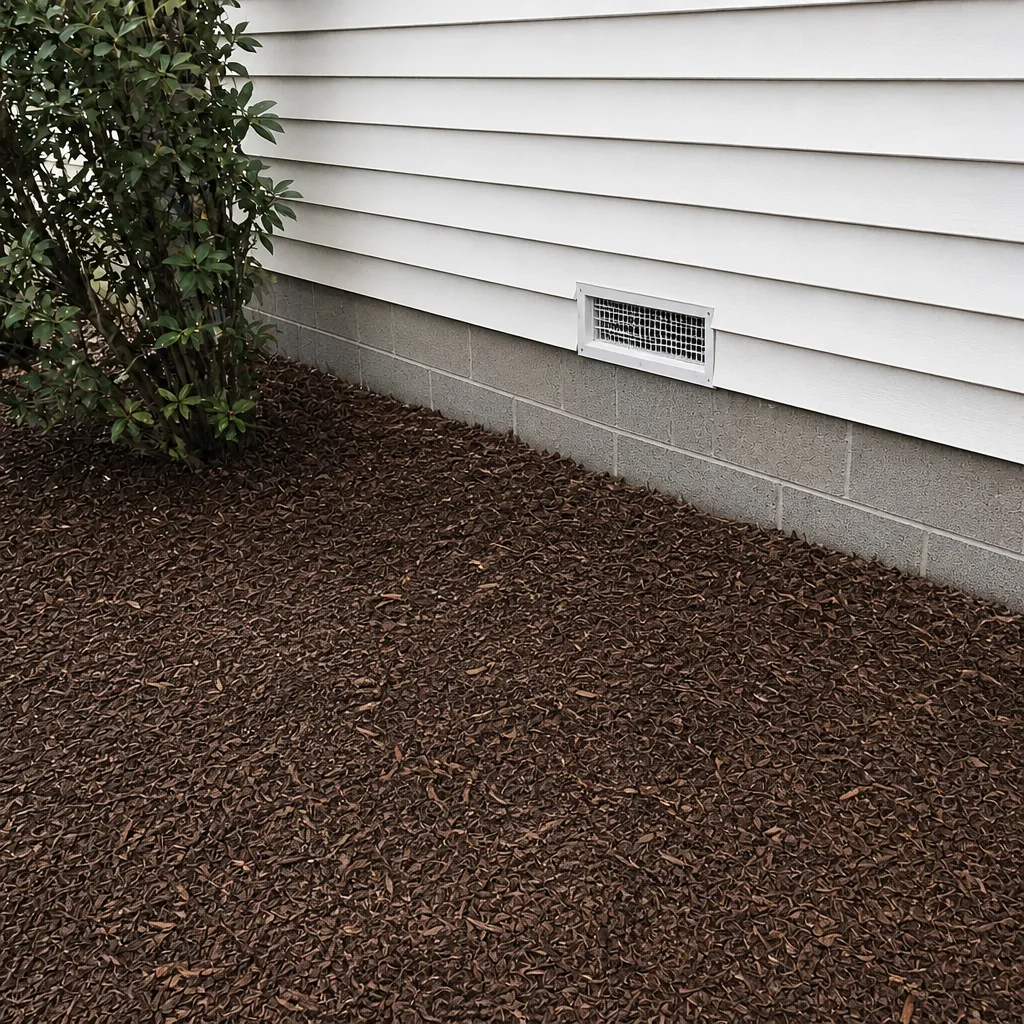
See the difference
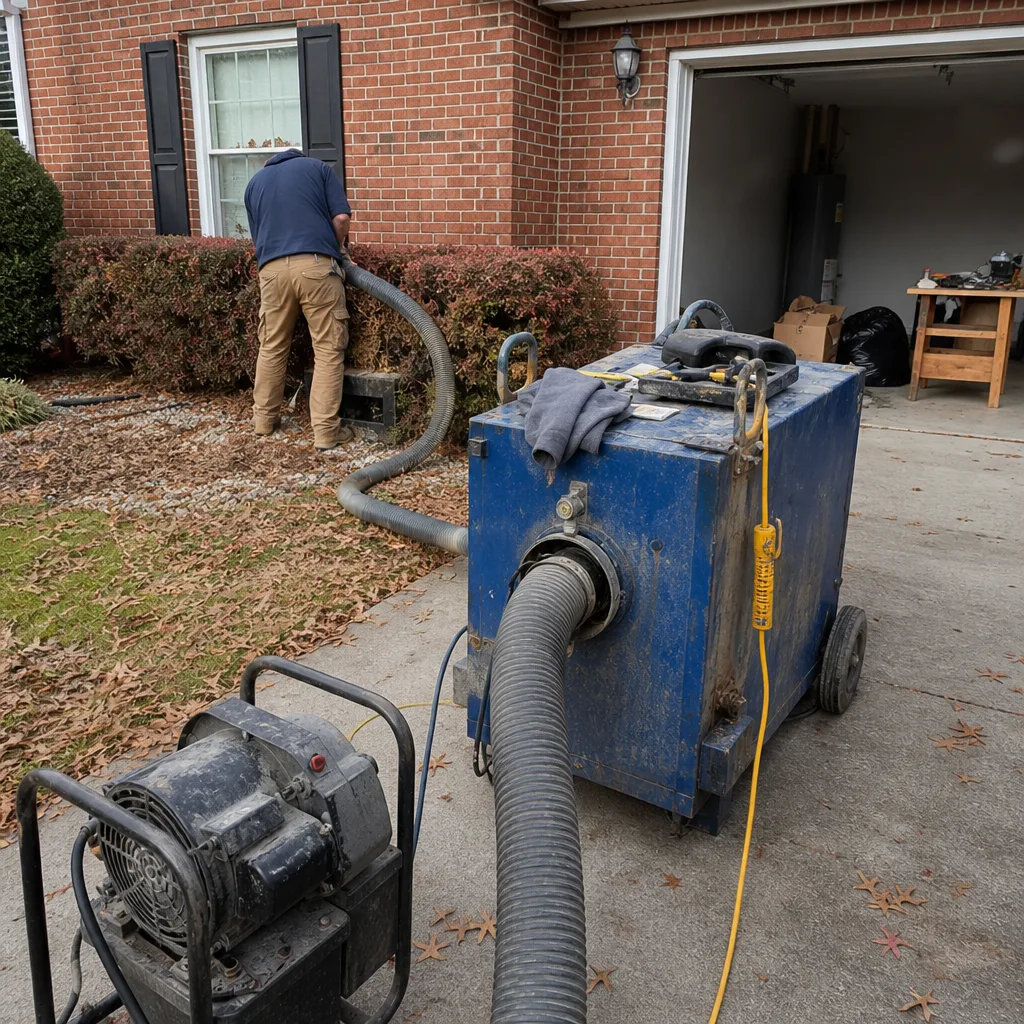 Before
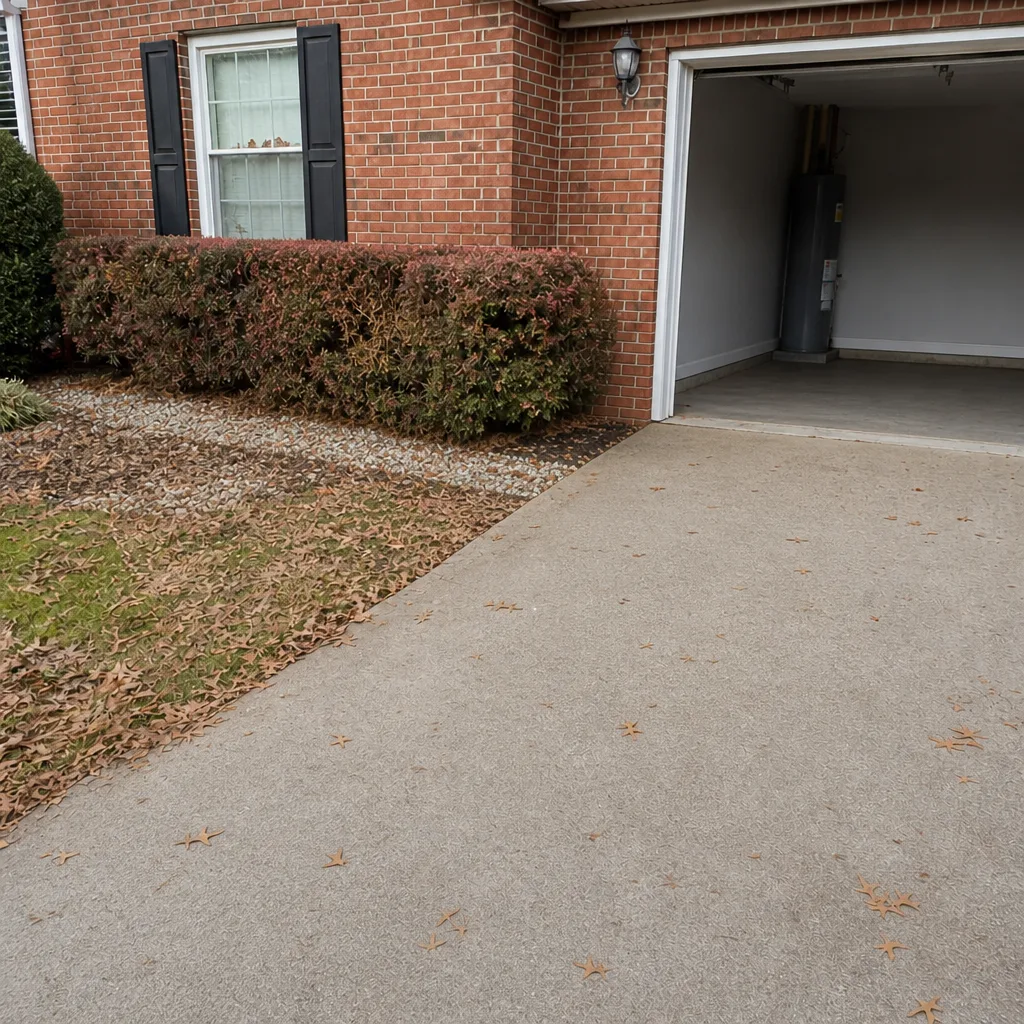 After
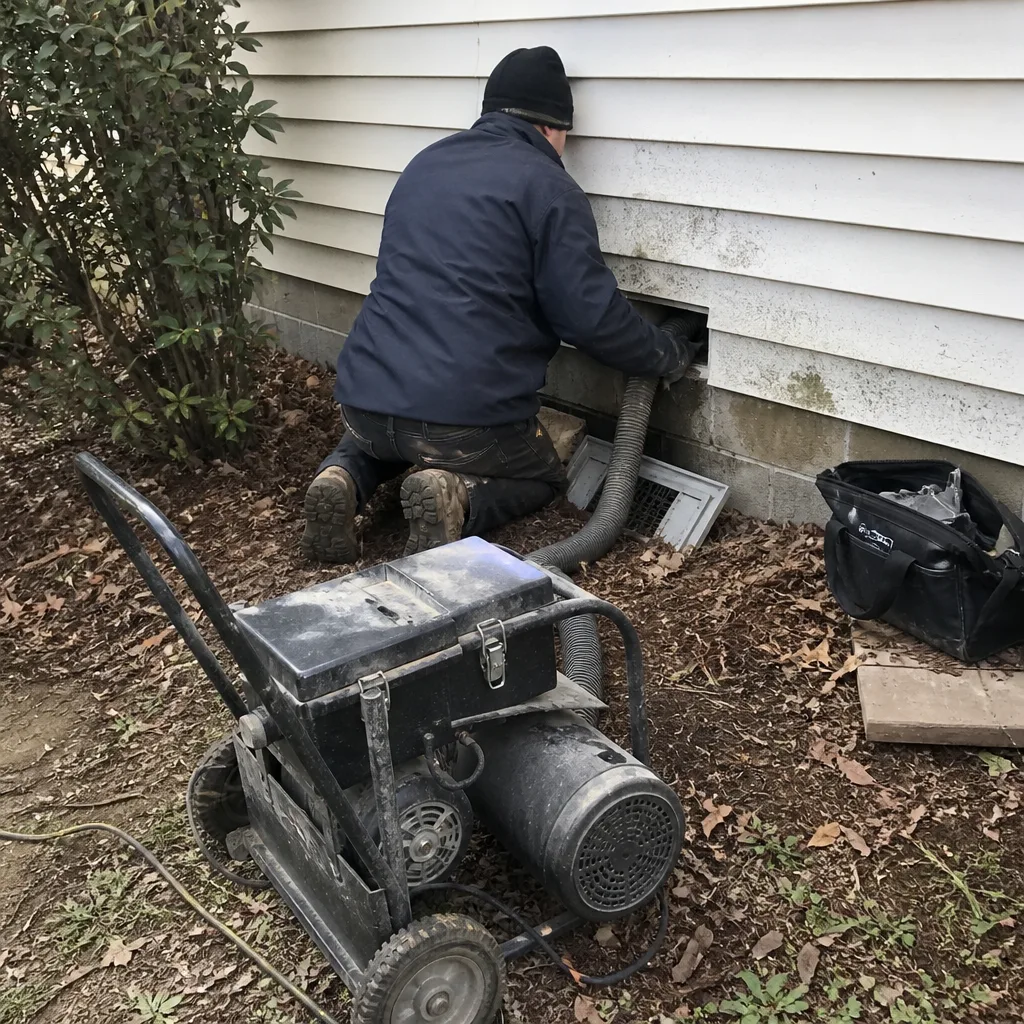 Before
 After
 Before
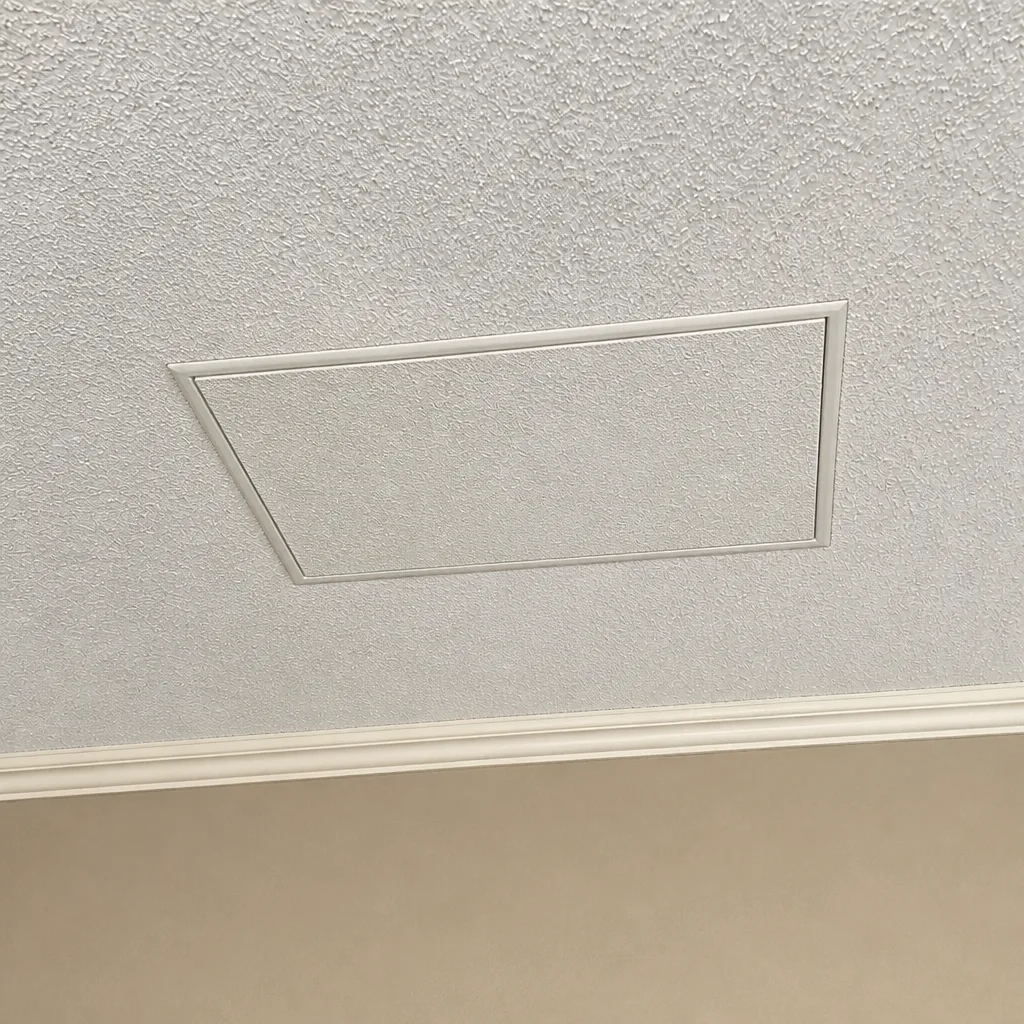 After
When to Call a Professional
Call a professional if you see or smell mold near a register, if pest activity has touched the duct system, if your home has had a fire, or if a remodeling project filled the ducts with construction dust. Those are the cases where DIY can make things worse, and where containment equipment isn’t optional. Call a professional if uncertainty about duct material or condition makes DIY a risk to your system. And call if you’ve never had the system cleaned and you don’t know what’s in it. Duct Cleaning Concord offers free estimates in Concord, and we use before-and-after photos so you can judge the work on what came out, not what a technician tells you. Call (888) 687-3361. We answer 24/7, with fast dispatch from 7am to 7pm, Sunday through Friday.
Frequently Asked Questions
Yes, for registers, grilles, and the visible boot, and for keeping the filter changed. No, for reaching inside the duct runs themselves; consumer equipment doesn’t have the airflow to remove adhered debris, and it can’t clean flex duct safely.
No. Flex duct has a thin inner liner that tears and collapses when a shop vac hose is pushed through it, and hose contact at the plenum boot can pull the connection loose. The repair usually costs more than a professional cleaning.
Because professional cleaning uses two things at once: a rotary brush that breaks debris off the duct walls and a negative-air machine that holds the whole run under vacuum to capture it. A shop vac has neither the agitation nor the airflow to do the same job.
Don’t vacuum it yourself. Disturbing mold colonies or rodent debris without containment spreads spores and pathogens into the air in your home. Call (888) 687-3361 and describe what you’re seeing; that’s a containment job, and we carry Abatement Technologies filtration and containment equipment for exactly this.
Most Concord homes don’t need annual cleaning. The judgment is based on what’s in the system, not the calendar: never-cleaned ducts, post-renovation dust, pest activity, mold, or fire soot all justify professional cleaning. Homes without those signs can go years on register cleaning and filter changes. Call (888) 687-3361 for an exact assessment; estimates are free.
We work with Honeywell and Aprilaire whole-home air quality systems, and we handle duct repair in-house. If flex duct liner was damaged or a boot came loose during a DIY attempt, we can assess and repair it as part of the same visit.
The Bottom Line
DIY duct cleaning has a real but narrow place: registers, grille faces, and the filter. That’s worth doing, and it helps. Beyond the boot, the physics stops cooperating, and in Concord’s humid summers the question shifts from effectiveness to safety. Mold, rodent debris, and fire soot should never meet a shop vac. If a shop-vac run into flex duct has already happened, or if you don’t know the condition of your runs, a professional assessment is the cheaper route. Duct Cleaning Concord brings the same equipment used on commercial and restoration jobs into your home. Call (888) 687-3361 for a free estimate.
Written by the team at Duct Cleaning Concord, serving Concord since 2013.