
Last updated November 14, 2026
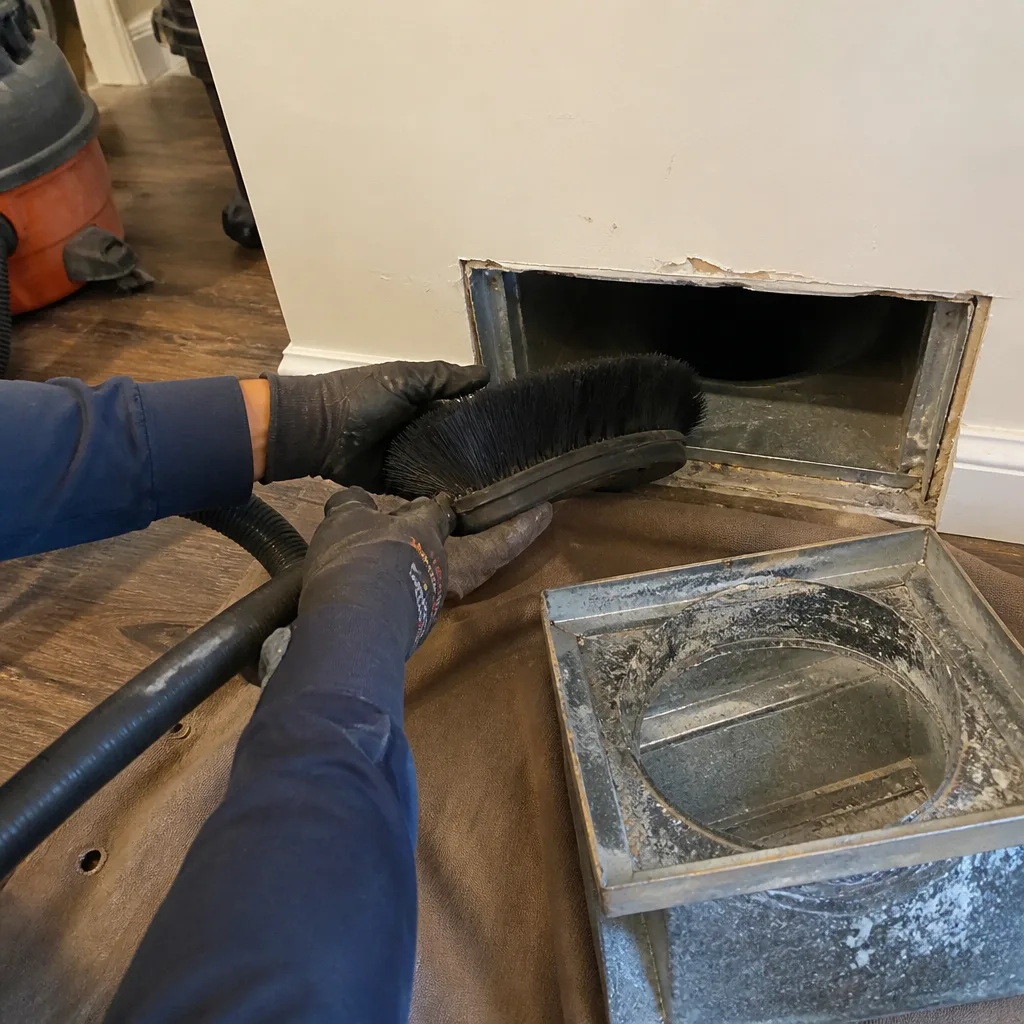
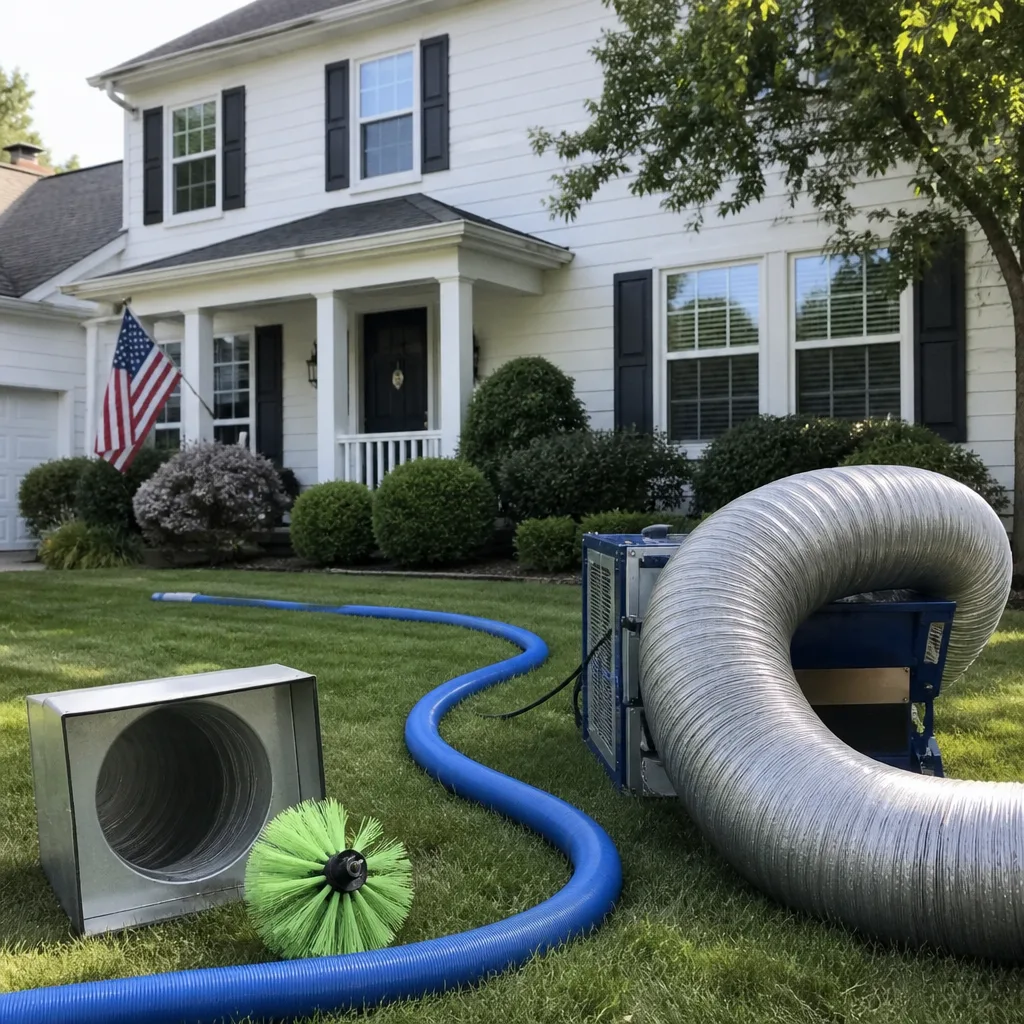 Whole-home duct cleaning
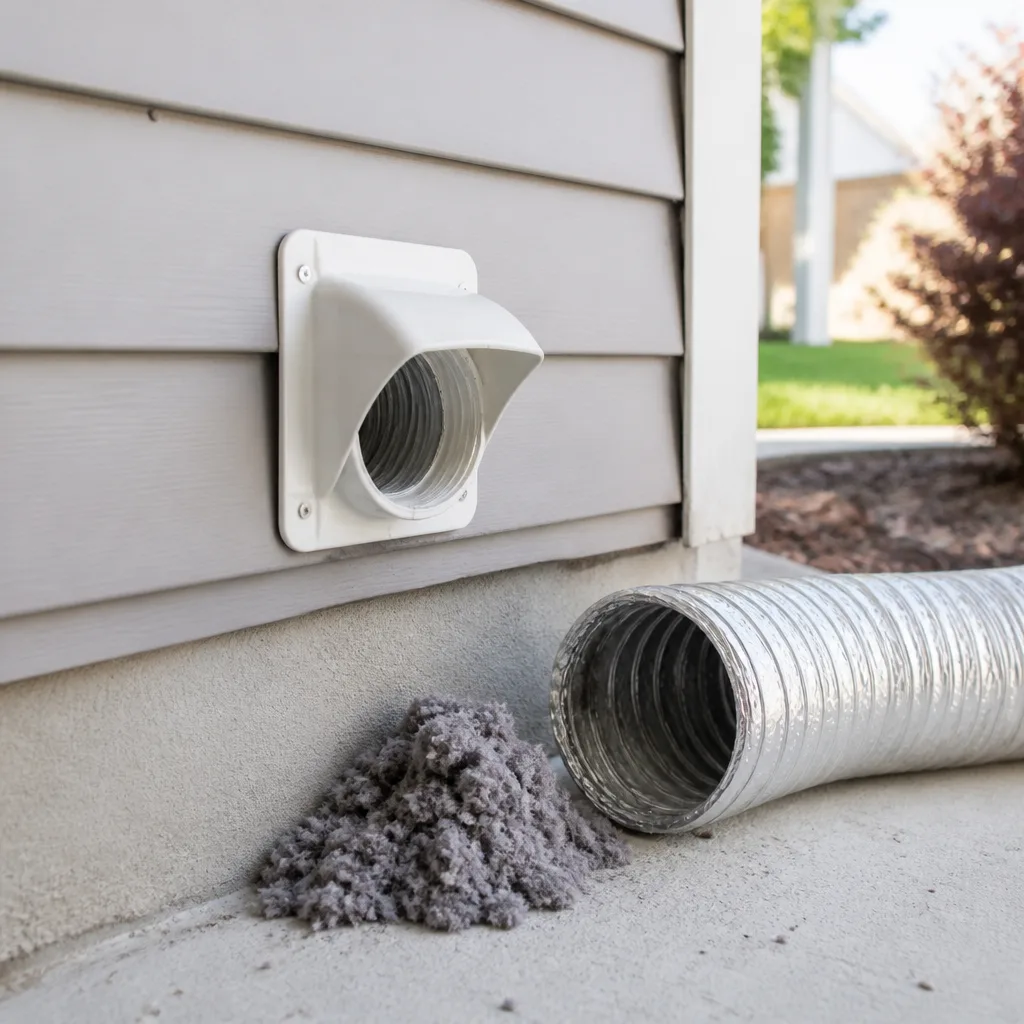 Dryer vent cleaning
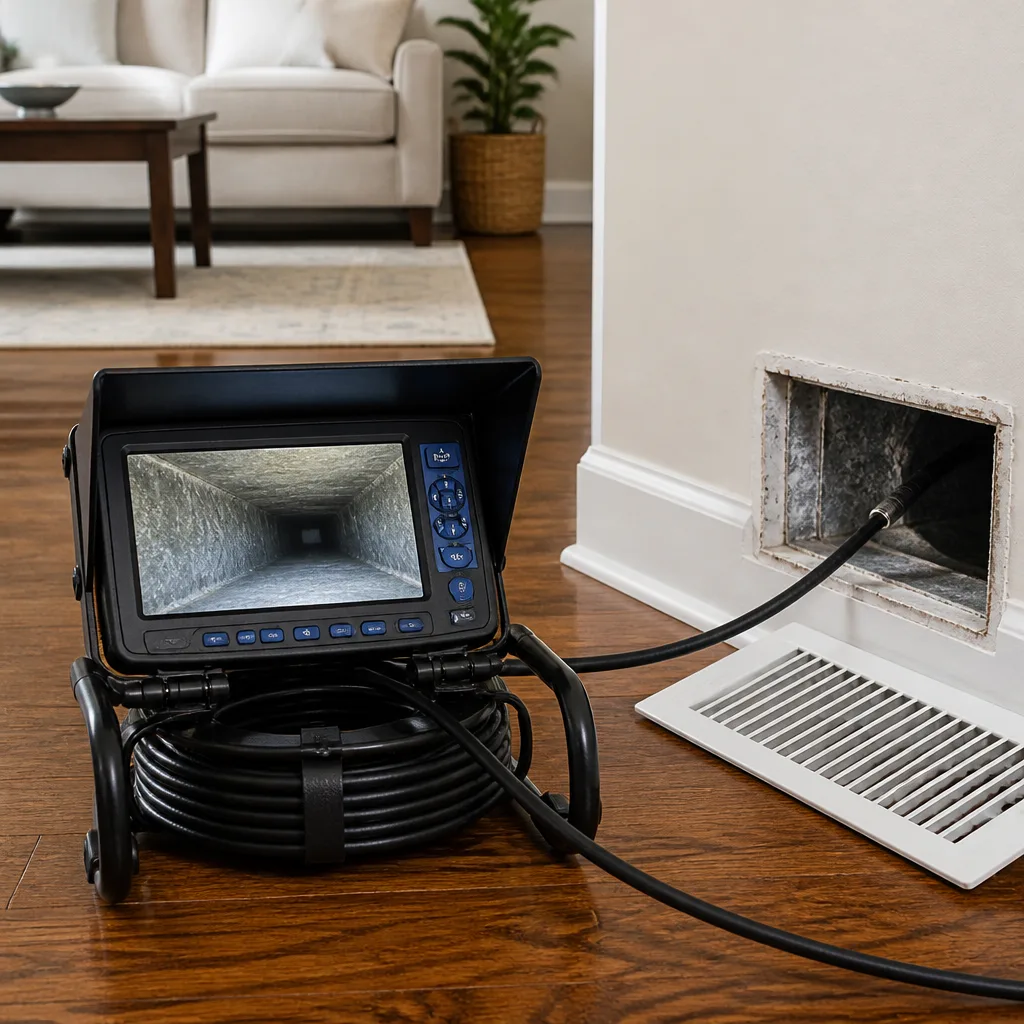 Camera inspection
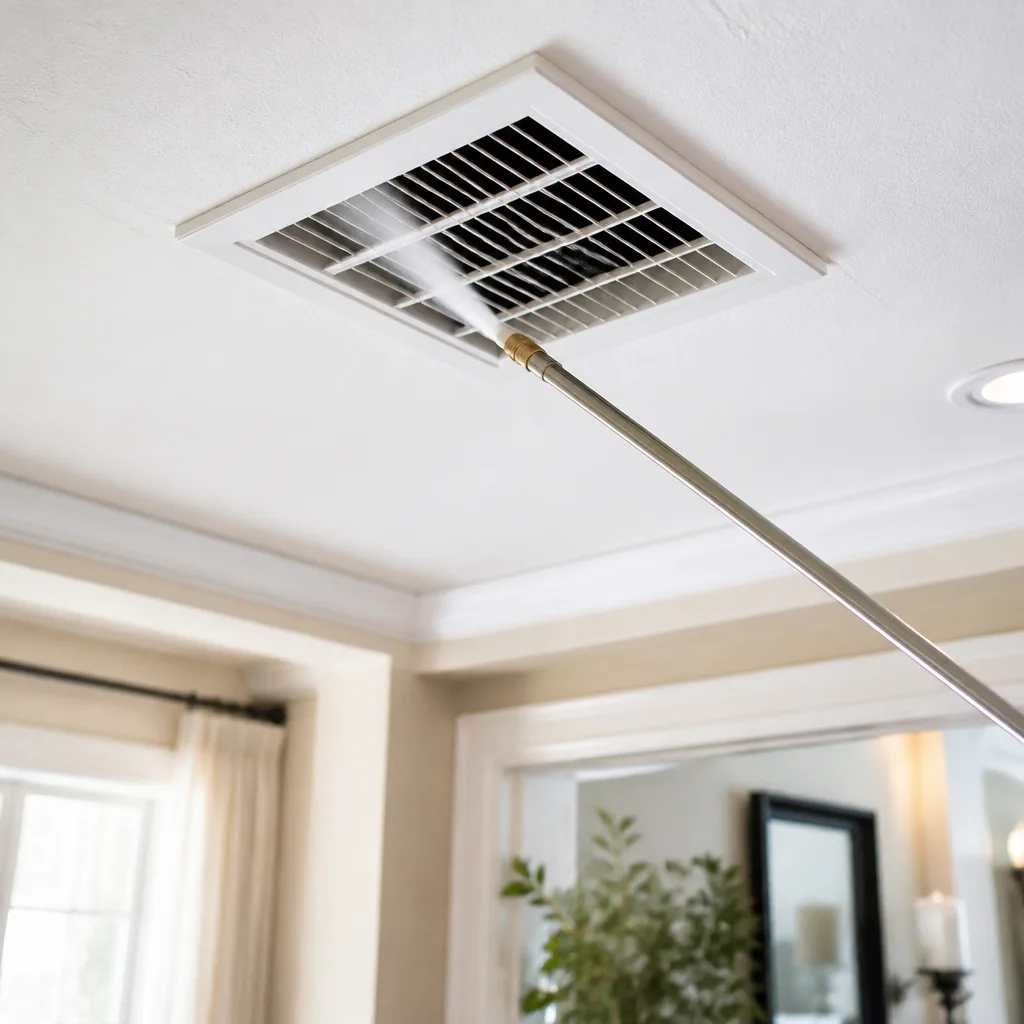 Sanitizing & deodorizing
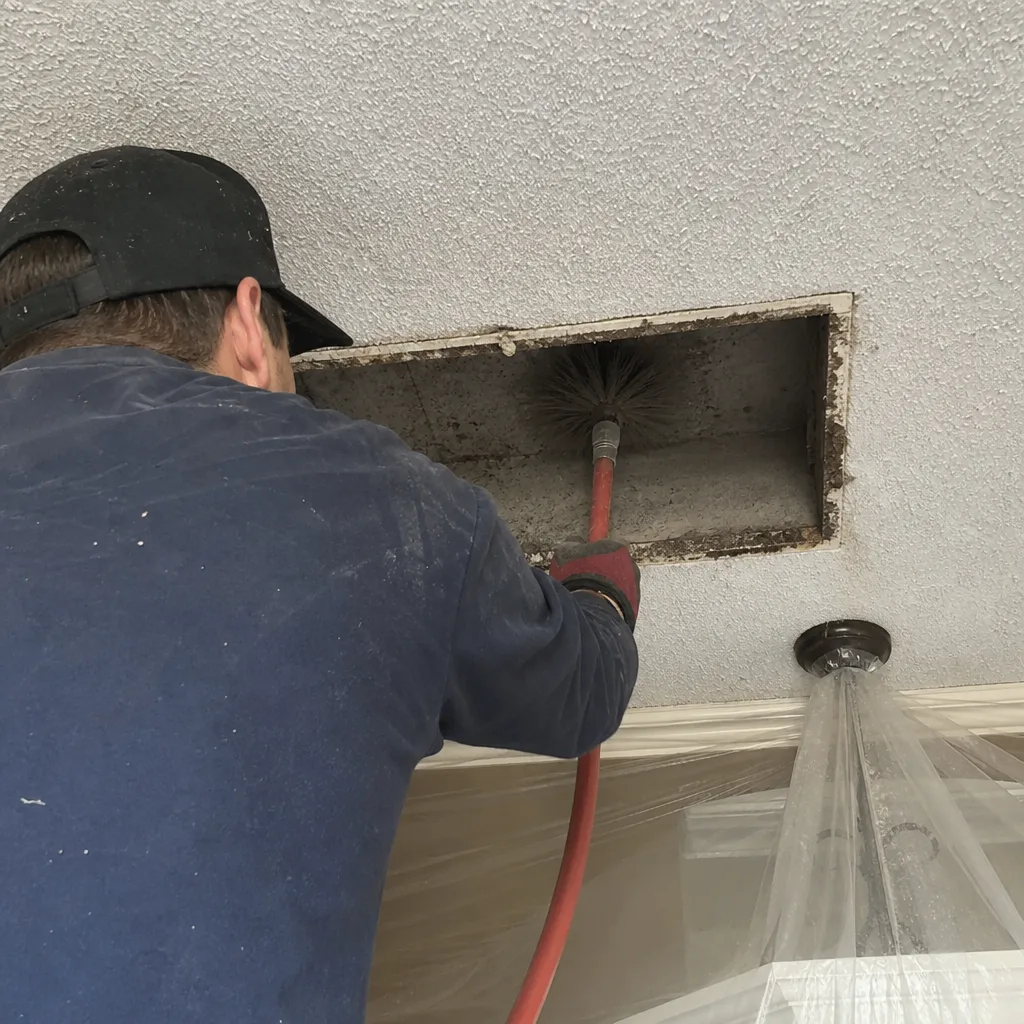
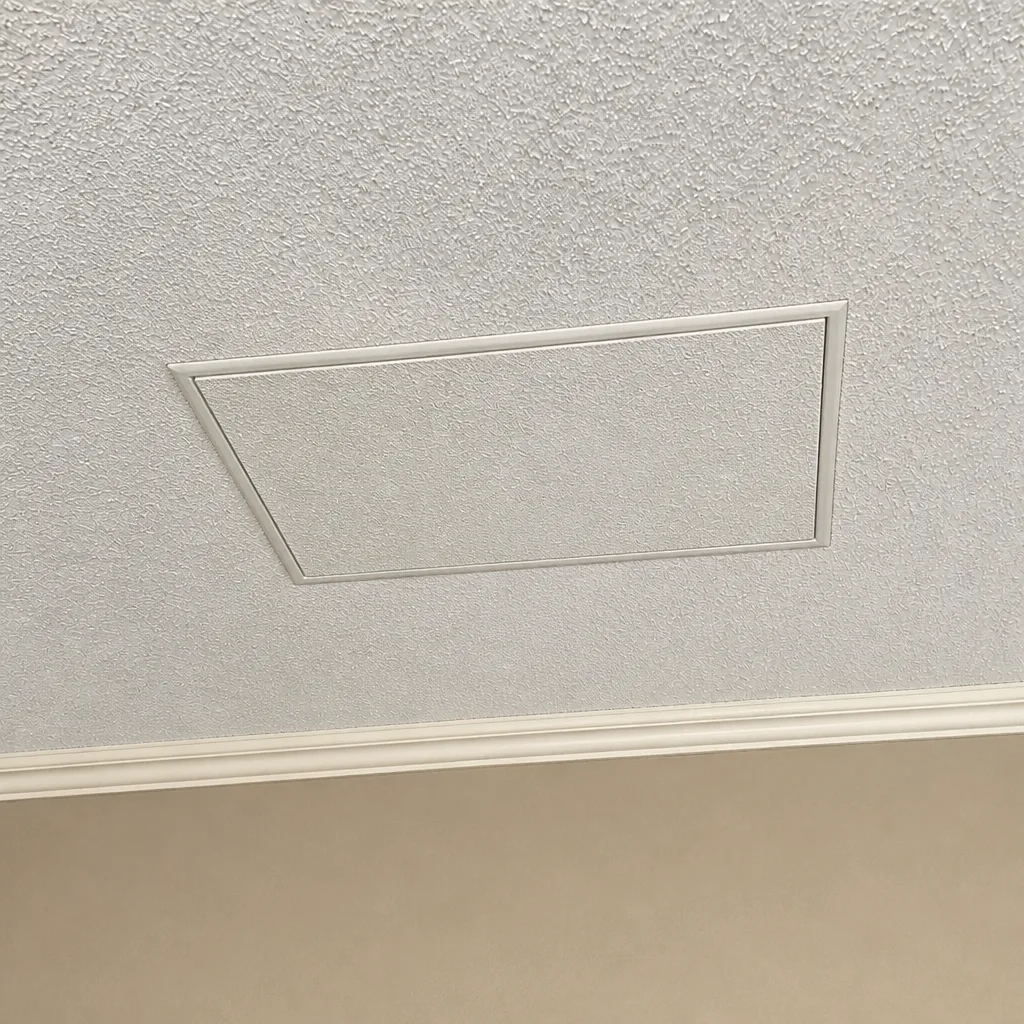
Whole-system duct and dryer vent check with before-and-after photos - you see exactly what came out of your vents
That "$99 whole-house special" is a bait ad - the real number appears once they are in your hallway, or the "clean" is a shop-vac at the register. We photograph the inside of your ducts before and after instead.
Choosing the Right Air Duct Cleaning Brand: A Buyer’s Guide for Concord
Most homeowners choose a duct cleaning company by scanning Google reviews and picking the middle price. Neither tells you what actually matters. What matters is what rolls up in the driveway: a purpose-built rotary brush paired with a HEPA-filtered negative-air vacuum, or a converted shop vac with a hose taped to the inlet. The equipment is the product. In this guide we explain what Rotobrush, Nikro, and Abatement Technologies do mechanically, which duct materials each is built for, and the exact questions to ask a Concord contractor before you book. By the end you’ll know how to tell a real duct specialist from a generalist HVAC company squeezing in one more service.
Quick Answer
The “best” air duct cleaning company in Concord is the one whose equipment can physically remove debris from your system and capture it without dumping it back into the house. That means a rotary brush system like Rotobrush and a HEPA-filtered negative-air machine with enough CFM to hold pressure across your whole duct run, not a portable unit with a three-quarter-horsepower motor. Ask for the equipment model and airflow rating before you book, and treat any answer that stays vague as a reason to keep looking.
Styles & brands we work with
- Whole-home duct cleaning
- Dryer vent cleaning
- Camera inspection
- Sanitizing & deodorizing
Table of Contents
- Why the Equipment Is the Brand That Matters
- What a Rotobrush System Does Mechanically
- How Nikro Negative-Air Machines Work and Why CFM Matters
- Abatement Technologies and the Remediation Pedigree
- Red Flags: Equipment That Only Looks Professional
- How to Verify a Contractor’s Equipment Before Booking
- Which Equipment Fits Which Duct Materials
- A Note for Property Managers and Landlords
Why the Equipment Is the Brand That Matters
Air duct cleaning has no single governing standard for the tools used, which is why the market is so uneven. The National Air Duct Cleaners Association, known as NADCA, publishes a standard for how the work should be done, and that standard points toward source removal: physically dislodging debris from the duct surface and capturing it at the point of disturbance. Source removal is not a matter of opinion. It’s an engineering requirement, and it rests on two pieces of equipment working together.
The first is an agitation tool that loosens the debris. Push brooms, blowers, and compressed air wands all do some version of this, but with wide variation in how much they actually dislodge. The second is a vacuum with enough airflow to hold a negative pressure in the duct system while the work happens, plus filtration fine enough to keep particles from blowing back into the rooms you’re trying to clean. When either half is weak, the job fails quietly. Debris gets airborne and redistributes through supply registers, and you can’t tell by looking.
This is why we say the brand that matters isn’t the company name on the van. It’s the machine on the ground. A company running a purpose-built rotary brush and a HEPA negative-air unit has made an investment most low-price operators can’t or won’t match, and that investment is a fair proxy for how seriously they take the work. A company that shows up with a shop vac and a long hose is a cleaning service, not a duct specialist.
Concord homes sit in a region with humid summers and plenty of pollen, and the ducts pull both out of the air. That combination makes the capture stage of any cleaning job more important, not less. A machine that only agitates debris without holding it is a distribution system.
What a Rotobrush System Does Mechanically
Rotobrush is the equipment found in the hands of certified duct cleaning specialists across the country, and the reason is straightforward. The system combines a rotary brush and a contact vacuum in a single tool, so agitation and capture happen at the same point. The brush spins at speed inside the duct and lifts debris off the wall, while the vacuum collar around it pulls that debris into a HEPA-filtered container before it can escape upstream.
That simultaneous action is what makes Rotobrush well suited to residential duct work. Here’s how the process generally runs:
- A technician identifies the trunk line, main branches, and access points for each duct run.
- The rotary brush is fed into the duct section by section, with the vacuum collar running the whole time.
- Each run is worked from the register end back toward the trunk, so loosened debris travels toward the vacuum.
- The HEPA-filtered hose and vacuum capture loosened material as it comes free, keeping it out of the living space.
- The technician moves through the system in sequence, and any damaged sections that show up get flagged for repair.
Which duct materials is it designed for? Rotobrush works across the standard residential set: flex duct, round sheet metal, and rectangular sheet metal trunks. The brush type is changed to suit. Soft bristles suit flex duct, where a stiff brush could snag the liner. Rigid fiberglass duct requires care because the interior surface is more friable, so a specialist adjusts tool speed and brush type accordingly. That’s why we ask about duct material before quoting: it isn’t a sales question, it’s a setup question.
For anyone in Concord comparing equipment, the takeaway is this. A rotary brush system that agitates and vacuums at the same time works differently from a wand that puffs air and hopes. When you’re evaluating a quote, you’re really evaluating which of those two is coming into your home.
How Nikro Negative-Air Machines Work and Why CFM Matters
CFM stands for cubic feet per minute, and it’s the number that tells you whether a vacuum can actually hold negative pressure in your duct system. A short flex-duct run in a small house doesn’t demand much airflow. A 3,000-square-foot home with a long trunk line, multiple branches, and a basement run does. If the vacuum’s CFM rating is too low for the length and complexity of the system, the machine can’t keep debris moving in the right direction, and the job degrades into an agitation-only operation.
Nikro vacuum and duct cleaning equipment is what we rely on for the negative-air side of that equation, and it’s the platform that restoration contractors and commercial crews use. The reason is the filtration stack. A true source-removal vacuum uses HEPA filtration, meaning it captures particles at a much finer level than a standard shop vac. The difference matters because dust from a duct is often the smallest and most respirable fraction of what’s in the run: settled particles from years of cooking, skin cells, pet dander, and outdoor pollen. A vacuum without HEPA-level filtration captures the gravel and releases the fines right back into the room.
So how do you evaluate a negative-air unit as a buyer? Ask two questions:
- What is the CFM rating of the vacuum, and is the filtration stage HEPA?
- Does the technician run the vacuum the entire time the rotary brush is in the duct, or only at the end?
The second question is the one that trips up underprepared operators. A vacuum run only at the end is a cleanup step, not a capture system. A negative-air machine that’s running the whole time is what makes source removal work.
We’ve found that when customers in Concord ask these questions, contractors either answer them with specifics or get vague quickly. The ones with real equipment generally enjoy talking about it.
Abatement Technologies and the Remediation Pedigree
Abatement Technologies traces its roots to asbestos abatement and mold remediation work, where containment is the whole job. In those environments, the equipment has to hold a negative-pressure barrier around a contaminated space and prevent cross-contamination into the rest of the building. That pedigree carries over to duct cleaning because contaminated ducts need the same discipline: you have to trap what’s inside before you disturb it.
That’s why we carry Abatement Technologies containment and air filtration equipment. For a routine cleaning of a system that’s been in a home since the 1990s and never been touched, the standard rotary brush and HEPA vacuum handle it. But some jobs are different. Post-construction dust from a renovation, water damage in a finished basement with the air handler nearby, or a duct system in an older home with heavier buildup can call for containment to keep the work zone separated from the rest of the living space.
When a job calls for containment, the setup generally goes like this:
- The work area around the air handler and access points gets isolated with negative-pressure containment.
- Air filtration equipment pulls and filters air from the containment zone so the outside of the barrier stays clean.
- The duct cleaning proceeds using the rotary brush and negative-air vacuum, with the containment holding a boundary the whole time.
- The area is inspected before containment comes down, and any dust or debris is cleared.
Here’s what matters from a buyer’s perspective. Many duct cleaners don’t own this equipment and will turn down dirtier or more complicated jobs, or worse, do them without containment. If your system falls into that category, ask whether the contractor has containment and filtration gear and what they do when a job needs it. It’s a fair question, and a specialist will have an answer. For routine jobs in Concord, this is often the difference between a solid clean and a redistribute-and-go.
Red Flags: Equipment That Only Looks Professional
Some duct cleaning machines look impressive in photos but can’t do the work. The models sold to low-investment operators often mimic the shape and branding of real equipment at a fraction of the cost, which means they look right in a marketing image and fail in the duct. Here’s what to watch for when you’re evaluating a provider.
- No stated CFM rating. If a company can’t or won’t tell you the airflow of the vacuum they plan to use, treat that as a no. A real negative-air machine has a rating.
- No HEPA filtration stage. A machine with a bag or coarse filter captures large debris but releases fine particles. HEPA-level filtration is the baseline, not a bonus.
- Wand-only agitation. A compressed air wand or a long hose with a nozzle on the end isn’t the same as a rotary brush. Ask whether the brush physically touches the duct wall.
- Per-vent pricing. The low-price-leader model is based on a small number per register with the assumption that additional work will be found once the van is on site. Here at Duct Cleaning Concord, we quote the full system at a flat price after looking at it, not a per-vent number that grows later.
- No mention of duct repair. The inspection during a real cleaning often turns up disconnected joints, crushed flex runs, or torn liner. A company without repair capability has to hand it off, or ignore it.
- “Yes” to anything. A specialist who won’t tell you when a job is out of scope for their equipment is either overconfident or not being careful. Specialist positioning means knowing what the tools are built for.
Reviews and credentials on a website are worth something, but they’re easiest to manufacture and hardest to verify. The equipment is verifiable in a phone call, and it’s a cleaner signal.
How to Verify a Contractor’s Equipment Before Booking
Verifying the equipment is a short conversation. Here are the questions that separate a real duct specialist from a generalist service. Work through them in a single call and you’ll have a clear answer before anyone shows up.
- Ask for the equipment model. Not the brand category, the model. A Rotobrush rotary brush system and a Nikro vacuum are specific platforms with model families. If the answer is “we use a rotary brush and a van-mounted vac,” ask for the exact model and manufacturer.
- Ask for the CFM rating on the vacuum. This tells you whether the machine is sized for the home. A larger home with multiple branches needs a real number, not a shrug.
- Ask whether the filtration is HEPA and what stage it sits at. The answer should describe the filter setup, not just say “yes, HEPA.”
- Ask about duct materials. A contractor who asks what your ductwork is made of, and adjusts the brush type for flex, sheet metal, or rigid fiberglass, has done this job before.
- Ask what happens if the inspection finds a problem. At Duct Cleaning Concord, all three of our core services are in-house: air duct cleaning, dryer vent cleaning, and duct repair. We don’t hand off repairs to a third party.
- Ask for a quote scope. It should cover the whole system, not a number per vent. The estimate you get should be the price you pay, set before anyone opens a duct.
Any contractor who’s proud of their equipment will answer all six of these questions in a couple of minutes. A contractor who deflects is telling you something useful.
Which Equipment Fits Which Duct Materials
Duct material changes the cleaning approach, which is why a one-tool-for-everything operation tends to disappoint. Here’s how the equipment choice pairs with the material in the system.
- Flex duct: The corrugated interior catches debris in the ridges. Soft rotary brushes are the right tool here, and negative-air suction needs to run the whole time because flex won’t hold shape under pressure. Aggressive agitation can damage the liner, so a specialist adjusts speed and brush hardness.
- Round sheet metal: Rigid enough to take a firm rotary brush. Common in older Concord homes. The stiffness makes agitation effective, but joints and seams need inspection, because sheet metal ducts can be disconnected at the collar without obvious signs from the register.
- Rectangular sheet metal trunks: The main trunk line often runs longer than the branches. This is where CFM matters most: a vacuum undersized for the trunk will lose negative pressure well before the end of the run, and debris in the far sections simply won’t come back toward the machine.
- Rigid fiberglass duct board: The interior surface is more friable, so brush selection and technique have to be gentler. A rigid brush will abrade the interior coating. A specialist who knows to slow down here is one who’s worked with fiberglass before.
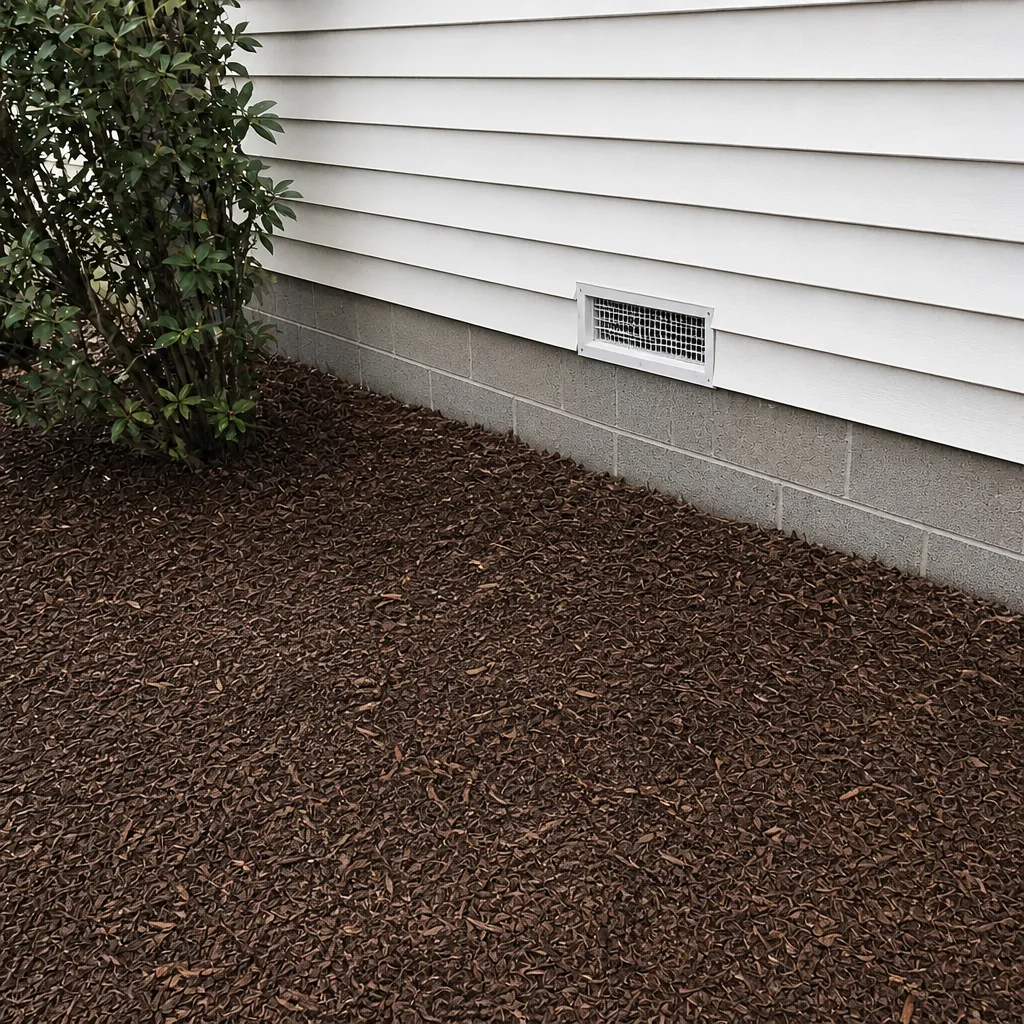
- Dryer vent (separate from the HVAC ducts): A dryer vent run is short and frequently clogged, and it’s a separate fire-safety job from duct cleaning. See our dryer vent cleaning page for the specifics on that one.
Concord homes built across the last several decades span all of these materials, and the same neighborhood can have flex, sheet metal, and fiberglass all in the same house. A quote that assumes one tool and one speed is a sign the contractor hasn’t asked about your ductwork.
A Note for Property Managers and Landlords
If you’re maintaining a rental property or a small multi-unit building in Concord, the equipment question matters in a second way: it’s a record. A cleaning you can document, with a scope that covers the whole system and equipment that’s verifiable, is a different liability position from a register-count job done with a shop vac and no photos. Ask for before-and-after photos of each duct run. Ask for the equipment model used. Keep the written estimate with the completed-work photos in the property file.
The same logic applies to tenant turnarounds. A turnaround clean is often the moment stale cooking odor, pet dander, or decades of settled dust finally get addressed, and the equipment story is the one an insurance carrier will care about if a claim comes up later. Dryer vent maintenance in rentals is a separate compliance concern and, in our view, the more urgent one, given that lint buildup in the vent is a leading cause of residential house fires. A dryer vent run that hasn’t been cleared in years is a fire risk regardless of how well the HVAC ducts were handled.
We work with property managers in Concord on scheduled maintenance across multiple units. Call (888) 687-3361 and we’ll scope it against your buildings. The estimate is free and priced per system.
Common Mistakes to Avoid
- Choosing on price alone. The lowest quote is generally the one built on the least equipment and the most per-vent assumptions. You can’t tell a full-system clean from a glance-and-vac by the invoice alone.
- Assuming the reviews prove the equipment. Reviews describe the technician’s courtesy and cleanliness more than the machine. Ask about the machine directly, separately from the reviews.
- Not asking about HEPA filtration. A vacuum without it captures the big particles and recycles the fine ones. If the technician can’t describe the filter stage, they’re not capturing the fraction that matters.
- Ignoring the dryer vent. Many people book an HVAC duct cleaning and forget the dryer vent is a separate line with a different risk profile. They’re related jobs, not the same job. If the vent hasn’t been cleared in years, that’s a fire-safety issue and worth addressing on its own.
- Booking without asking about duct repair. Inspection during cleaning regularly turns up a disconnected joint or a crushed flex line. If the contractor can’t fix it in-house, you’re back to a second call and a second contractor.
- Accepting a per-vent number. A per-vent quote is a starting number, not a final one. A flat price per system, given before work starts, is the honest structure.
- Not asking about the family’s air quality system. If your home has a Honeywell or Aprilaire whole-home air quality component, the cleaning needs to account for how the system’s components integrate with the ducts. Our technicians work with both brands, and it changes the setup.
See the difference
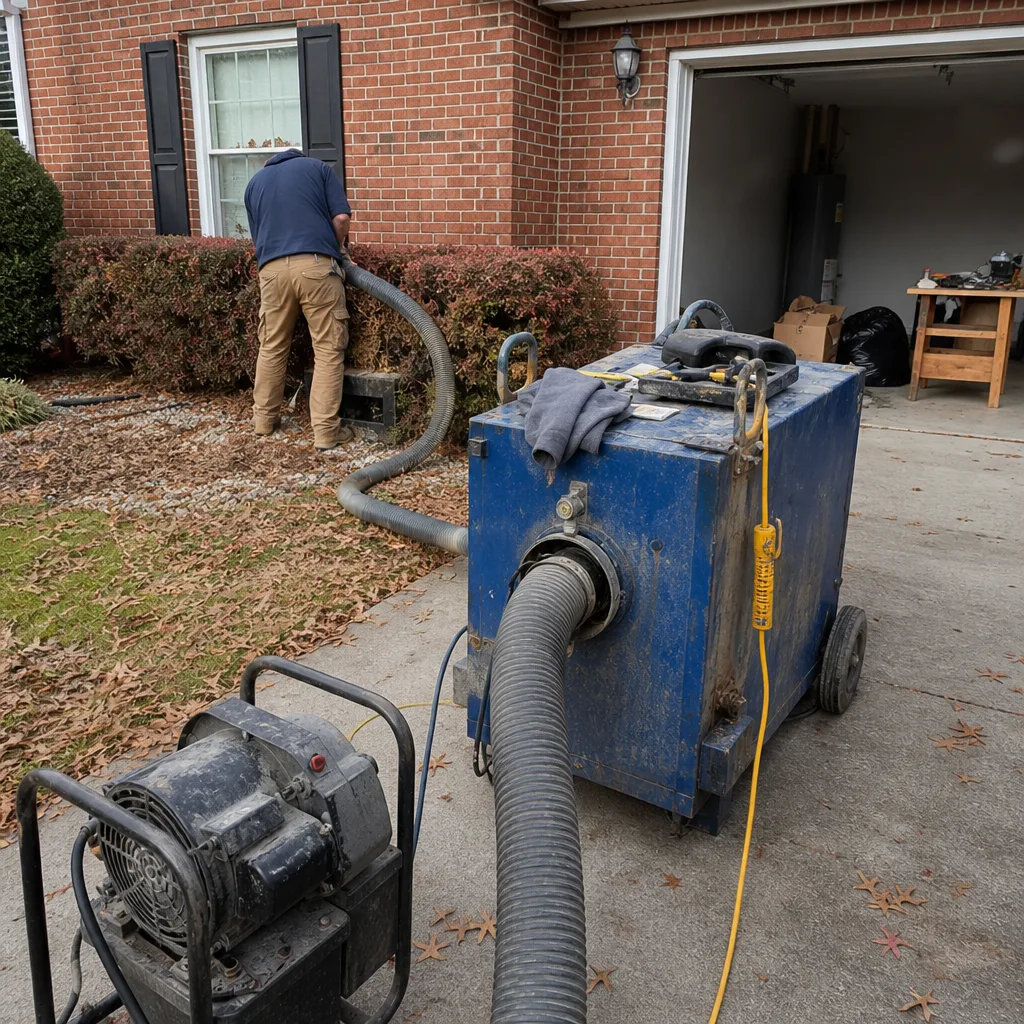 Before
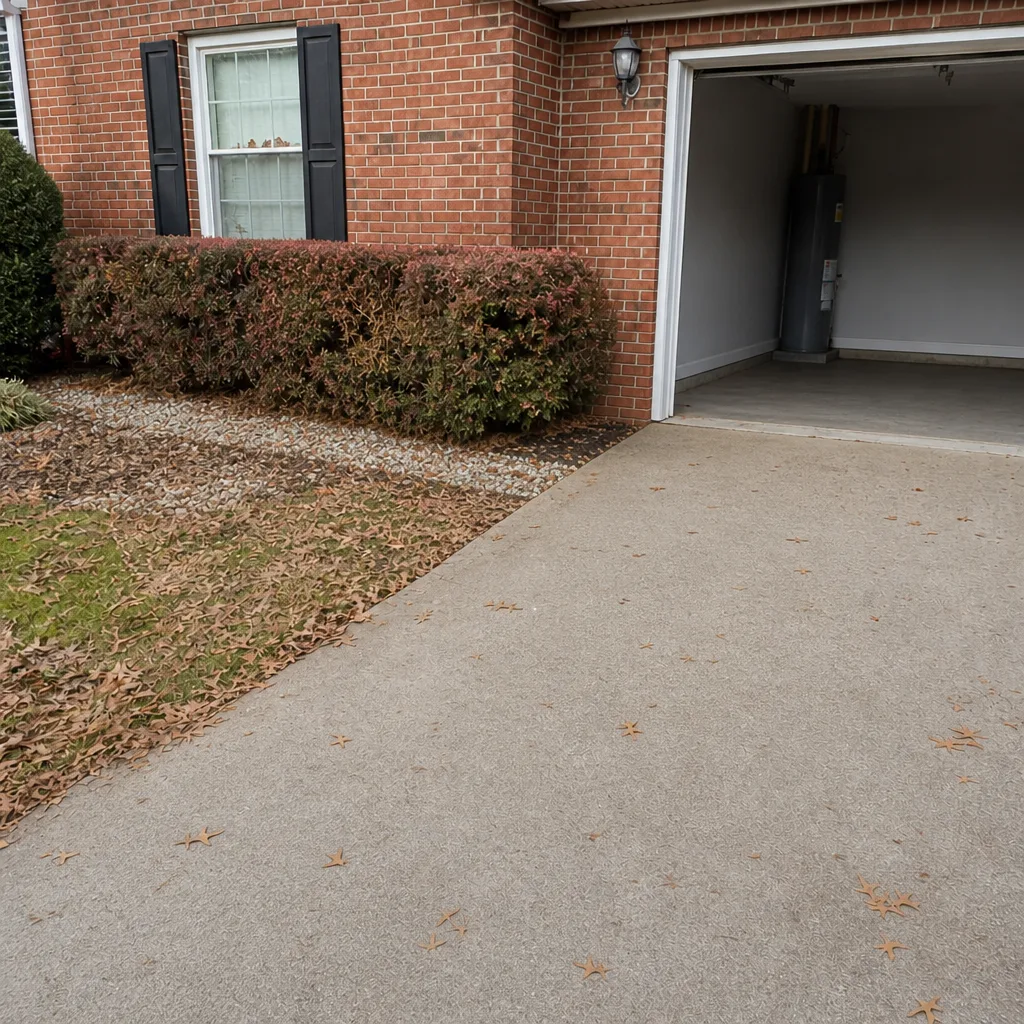 After
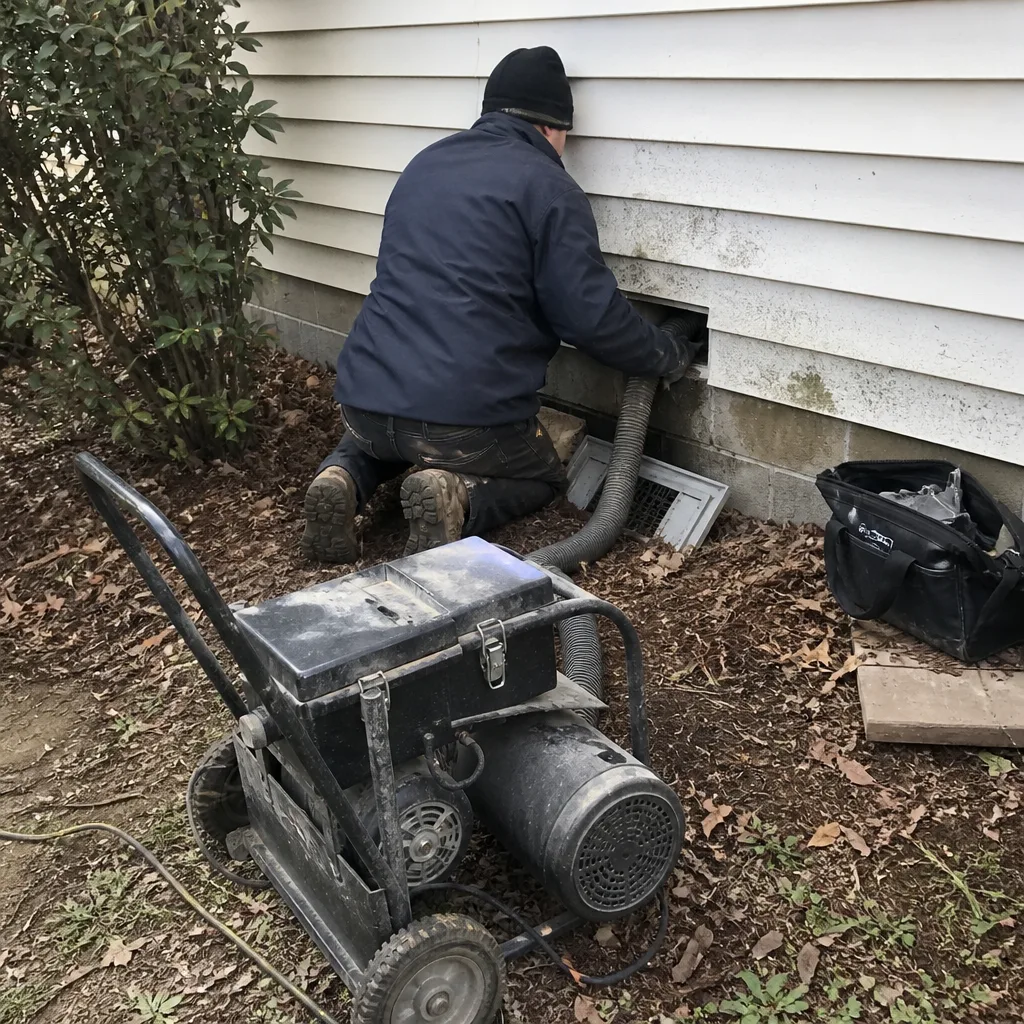 Before
 After
 Before
 After
When to Call a Professional
Call a specialist when the situation is beyond what you can assess from a register. Visible dust puffing out when the furnace kicks on, a persistent musty smell that doesn’t clear with a filter change, a recent renovation that left drywall dust in the returns, water damage near the air handler, or a dryer that takes longer than it used to finish a load are all situations where the equipment matters. A dryer vent that hasn’t been opened in years is the one we treat as urgent; lint buildup in the vent run is a leading cause of house fires, and the fix is a physical clearing, not a cover-up. And if you’ve had a low-price cleaning in the past that didn’t seem to change anything, that’s a fair reason to get a second look from a provider with commercial-grade equipment.
Duct Cleaning Concord offers free estimates in Concord – call (888) 687-3361. We clean, we clear, we repair. We answer 24/7. Fast dispatch from 7am to 7pm, Sunday through Friday.
Frequently Asked Questions
Air duct cleaning in Concord is priced per system rather than per vent, and the final number comes from the written estimate after we’ve looked at the layout, the duct materials, and the level of buildup. A single-story home with a compact system sits at the lower end; a larger home with a long trunk and multiple branches sits above that. The estimate is free, and the price is set before work starts, not after. Call (888) 687-3361 for an exact quote.
A lower quote usually means less equipment, less time, and a per-vent price that grows once the van is in the driveway. The low-investment operator typically arrives with a shop vac or generic hose rather than a rotary brush and HEPA-filtered negative-air machine, which means agitation without real capture. That’s a cleanup, not a source removal. Our quotes are priced per system, so the estimate you receive is the flat price you pay. Call (888) 687-3361 for an estimate.
Ask two things: the equipment model the technician will use, and before-and-after photos of each duct run. A rotary brush and a HEPA negative-air machine are the equipment that make source removal possible, and photos of the actual runs are the only reliable evidence that your ducts were cleaned rather than just visited. At Duct Cleaning Concord, we take those photos as part of the job. Call (888) 687-3361 for an estimate.
For most households, a full duct cleaning every few years is a reasonable cycle, but the honest answer is more situational. A house with pets, recent renovations, water damage, or a smoker in it often benefits from a shorter interval. A home with a well-maintained system, filters changed on schedule, and no events like the ones above can go longer. If your system has never been cleaned, that’s the first call. Call (888) 687-3361 for an estimate.
A Rotobrush rotary brush system handles the main trunk and the branch runs in a standard residential system. Each duct is fed separately with the vacuum collar running, and material is worked toward the machine. If the home has a duct material the brush isn’t set up for, we adjust the tool before starting. If a section is out of the equipment’s scope, we say so. Call (888) 687-3361 to scope your home for an estimate.
They’re two separate systems and two separate jobs. HVAC duct cleaning handles the supply and return runs that carry conditioned air through the house. Dryer vent cleaning addresses the exhaust line behind your dryer, where lint builds up with every cycle and becomes a fire risk if it accumulates enough. We do both, along with duct repair, which means we don’t need a second contractor when an inspection turns up a fix. Call (888) 687-3361 for an estimate on either job.
The Bottom Line
When you’re choosing a duct cleaning provider in Concord, the question worth asking is not who has the nicest reviews or the lowest quote. It’s which equipment is coming through the door. A Rotobrush rotary brush, a Nikro negative-air machine with HEPA filtration, and Abatement Technologies containment gear for the jobs that need it are what make source removal work. Verifying those details is a phone call, and it’s the most reliable signal you’ll get. Look for flat pricing per system, before-and-after photos of your own ducts, and a provider that can handle cleaning, vent clearing, and duct repair without handing you off to a second contractor. If a quote doesn’t come with that, keep asking questions.
Whether you’re in Concord for the first time or looking for a second opinion after a disappointing cleaning, Duct Cleaning Concord is the specialist to call. Serving Concord and the surrounding area since 2013, we clean, clear, and repair duct systems with commercial-grade equipment built for this work specifically. Call (888) 687-3361 for a free estimate. We answer 24/7. Fast dispatch from 7am to 7pm, Sunday through Friday. Closed Saturday.
Written by the team at Duct Cleaning Concord, serving Concord since 2013.