
Last updated November 14, 2026
 Whole-home duct cleaning
 Dryer vent cleaning
 Camera inspection
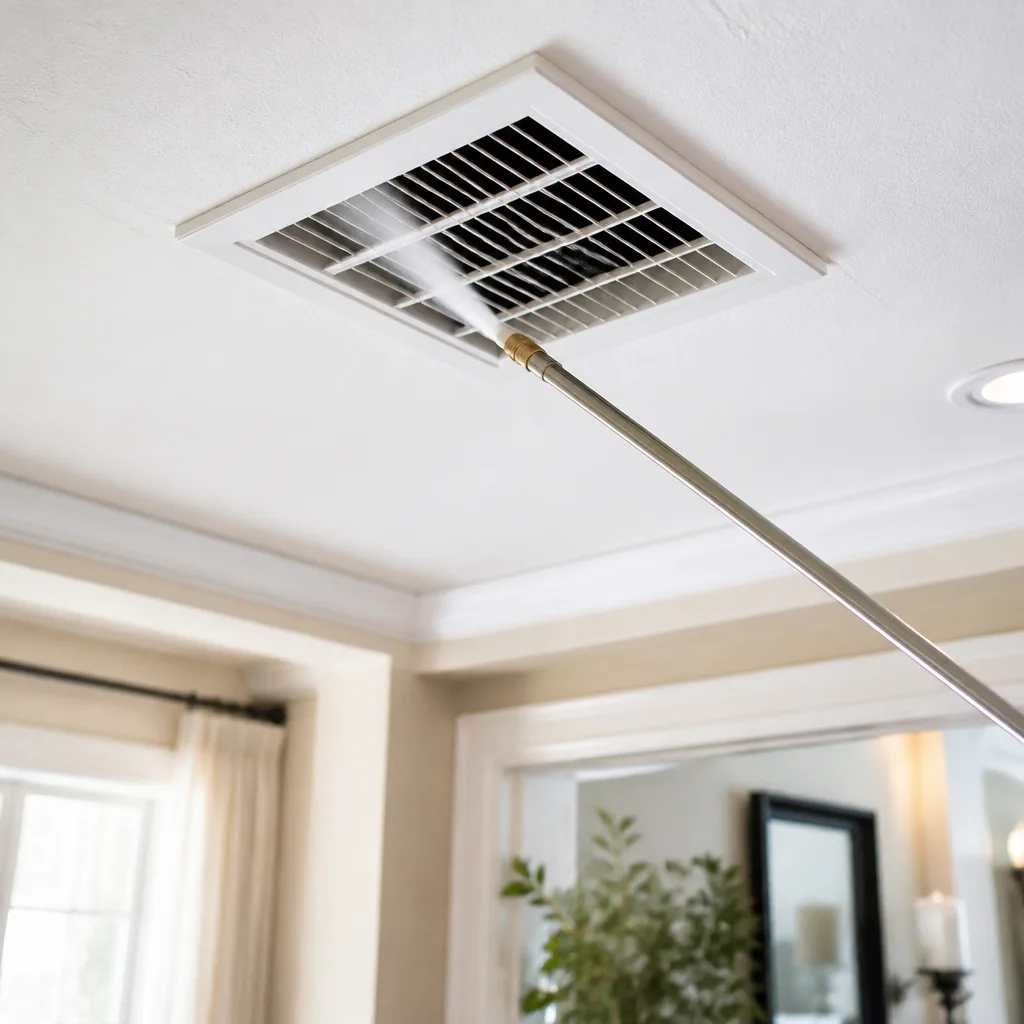 Sanitizing & deodorizing
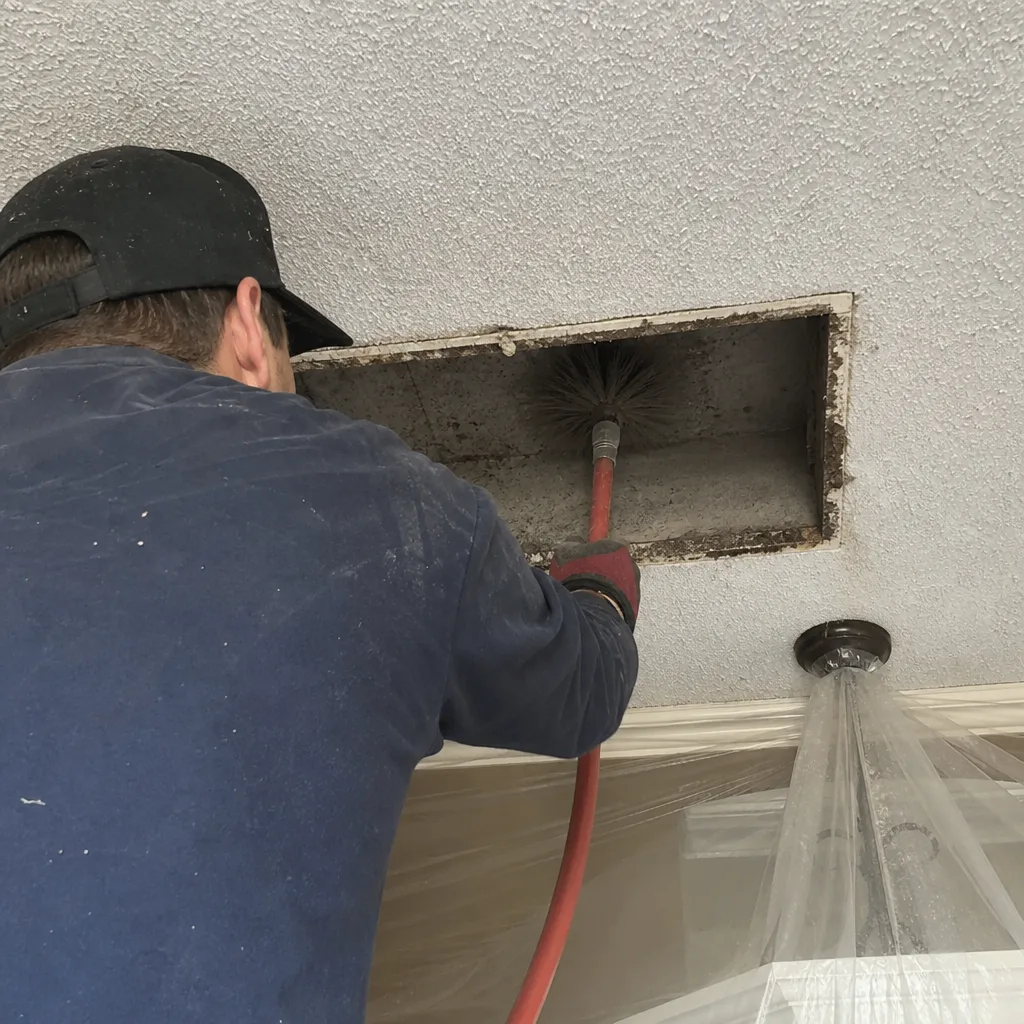
Whole-system duct and dryer vent check with before-and-after photos - you see exactly what came out of your vents
That "$99 whole-house special" is a bait ad - the real number appears once they are in your hallway, or the "clean" is a shop-vac at the register. We photograph the inside of your ducts before and after instead.
Air Duct Cleaning Troubleshooting in Concord: Common Problems and How to Fix Them
Most airflow complaints that get blamed on HVAC equipment are actually duct-system problems. A homeowner hears “your unit’s undersized” and gets quoted a replacement, when the real cause is a crushed run of flex duct behind a knee wall or a disconnected boot under the floor. We see this pattern constantly: the equipment is fine, the ducts feeding each room are not. This guide teaches you to read the symptoms your ducts already broadcast – weak registers, hot upstairs rooms, dust that returns within two days – and match them to the right fix before anyone quotes you new hardware. It’s written from practical experience here in Concord, where crawl-space construction and humid summers shape how duct systems fail.
Quick Answer
Many air duct problems in Concord aren’t cleanliness problems at all – they’re duct integrity problems. Weak airflow, rooms that stay hot, dust that returns two days after cleaning, and musty smells that appear when the system kicks on usually point to leaks, disconnections, or moisture intrusion somewhere in the duct run. The fix requires diagnosing which of those is happening first. That means checking register airflow by hand, noting where smells appear, and using camera inspection to see inside ductwork that no flashlight can reach. Cleaning and repair are often both needed, but repair comes first if the system is bleeding air or trapping moisture.
Styles & brands we work with
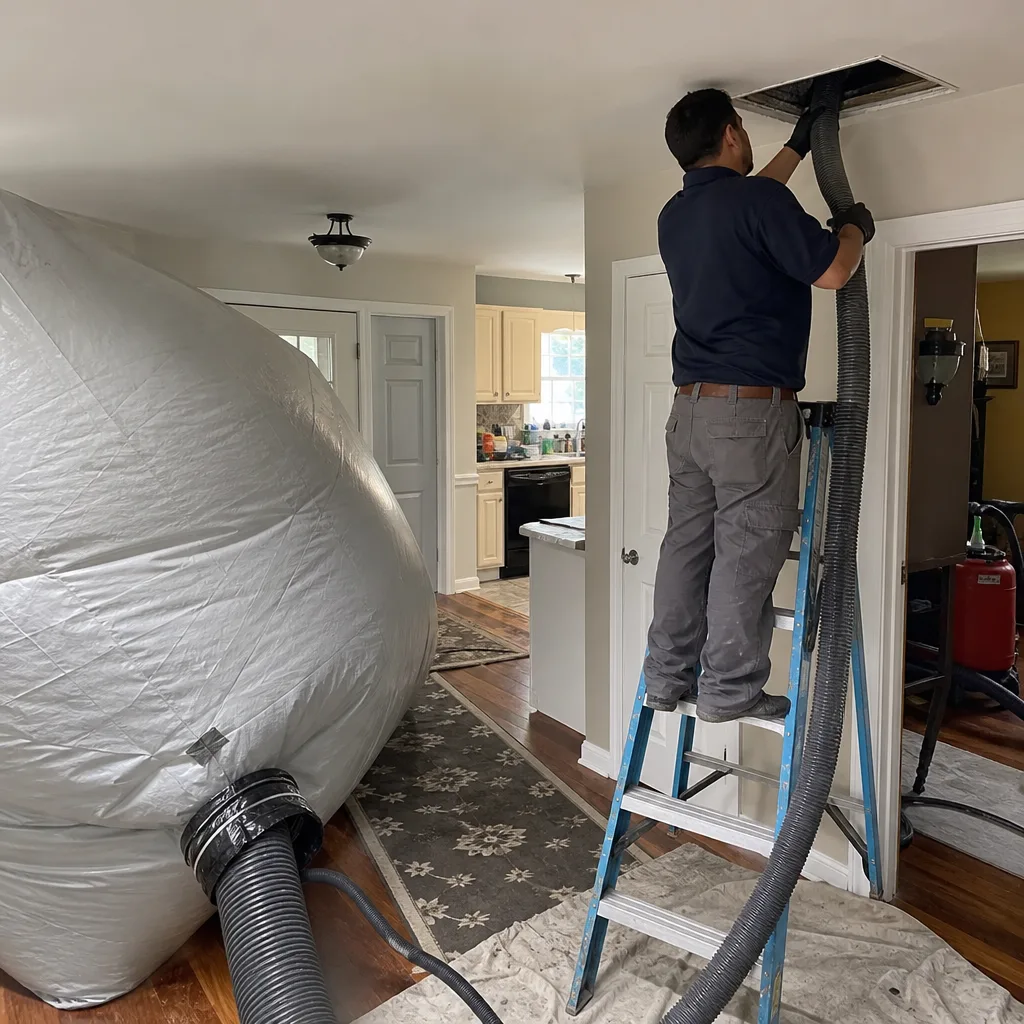
- Whole-home duct cleaning
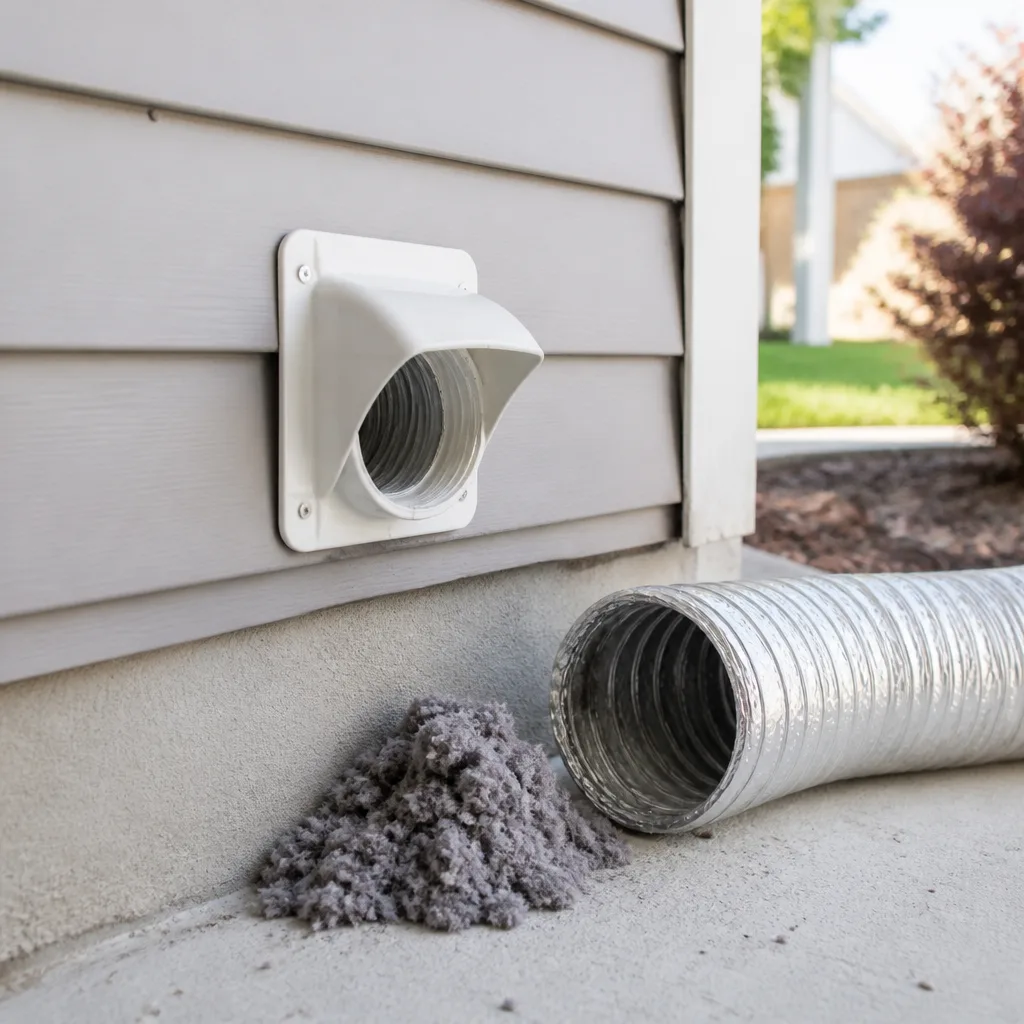
- Dryer vent cleaning
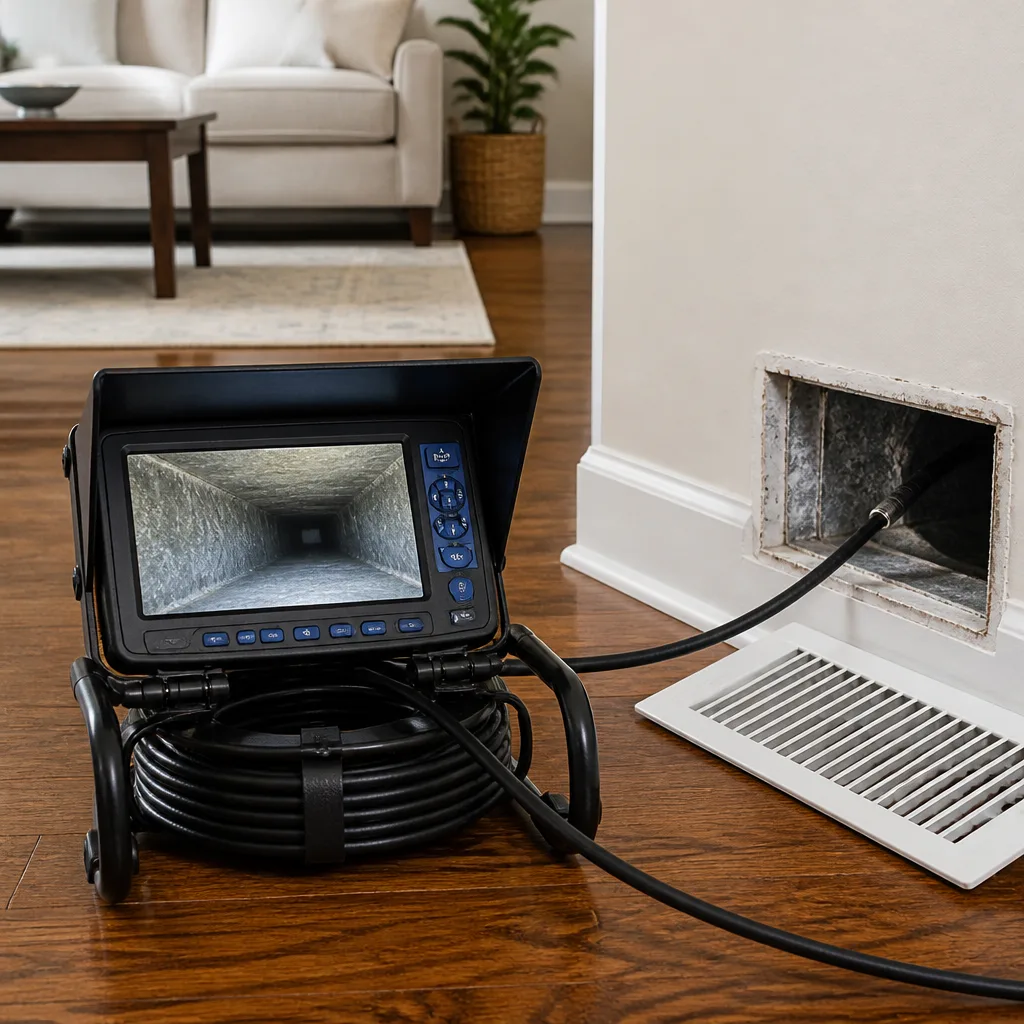
- Camera inspection
- Sanitizing & deodorizing
Table of Contents
- Dirty Ducts vs. Leaky Ducts: The Register Airflow Test
- What the Musty Smell After Your System Kicks On Actually Means
- Why Some Rooms Stay Dusty 48 Hours After Cleaning
- Camera Inspection as a Diagnostic Tool, Not Just a Cleaning Tool
- Crawl Space Humidity and Flex Duct in Older Concord Homes
- The Upstairs Hot Room: What a Duct Specialist Checks First
- Dryer Vent Symptoms That Look Like Duct Problems
- Repair or Clean First? How to Sequence the Work
Dirty Ducts vs. Leaky Ducts: The Register Airflow Test
Before you call anyone, run a simple test that separates a dirty duct problem from a leaking or disconnected one. The two produce different symptoms and need different work. A duct that’s simply dirty still delivers air at full pressure; a duct that’s disconnected or crushed delivers weak air regardless of how clean it is inside.
Here’s the test:
- Hold your hand under each supply register with the system fan running. Feel for strong, steady pressure. Note any register that feels noticeably weaker than the others.
- Hold a piece of tissue paper against the register face. If it flutters and stays pressed to the grille, that run is flowing. If it barely lifts or falls away, that run has a mechanical problem.
- Check the return grilles the same way. Weak return pull means the whole system is working against resistance.
- Compare registers across floors. Weak upstairs but strong downstairs is a classic sign of a disconnected or crushed branch line, not a dirty main trunk.
If every register feels equally weak, the problem is more likely at the air handler or the main trunk – restricted at the plenum, a collapsed trunk section, or a filter that’s been in service too long. If one or two registers are weak while the rest are strong, you’re looking at a branch-line issue: disconnected flex, a kinked run, or a boot that came loose from the register. Dirty ducts will show reduced flow at the worst-soiled registers but rarely create the sharp strong-versus-weak pattern a disconnected run does. If the weak registers are dirty too, you’ll want air duct cleaning after the leak or disconnection is corrected, never before.
We’ve run this test hundreds of times across Concord, and it takes under two minutes. It also tells whoever you hire a great deal about what’s wrong before a tool touches your system.
What the Musty Smell After Your System Kicks On Actually Means
A musty smell that appears the moment the fan starts pushing air is a moisture clue, and it points to a location. The vents that smell first narrow the search. This matters because “musty smell” alone tells a technician almost nothing – the pattern of which registers smell and which don’t turns a vague complaint into a diagnostic map.
Reading the smell pattern
- Every register in the house smells: the source is upstream of the branch runs – at the air handler, the plenum, the filter housing, or the main trunk. Moisture there sends the odor everywhere.
- Only one or two rooms smell: the source is on that branch. A disconnected boot opening into a humid crawl space, a run passing through a wet area, or a section of flex that sagged and collected condensate.
- The smell is strongest in rooms closest to the air handler: suspect the coil drain pan, filter slot, or a wet section of duct liner near the plenum.
- The smell is strongest in far rooms: suspect crawl-space infiltration along a long branch run.
What this pattern actually indicates is a mold or microbial colony living where moisture has been persistent. Ducts stay dark, wait for the next cycle of cool air to pass through, and push the smell into the room. Persistent moisture in ductwork doesn’t clear on its own; the colony needs the source of wetting removed. The colony location follows from which vents smell first: if the smell is everywhere, the colony is at the air handler; if the smell is one room, it’s on that branch.
Note the sequence carefully before calling anyone: write down which vents smell, in what order, and how long after the fan starts. That note alone speeds up diagnosis and gets you a correct answer faster. Duct Cleaning Concord works with Abatement Technologies containment gear for jobs where the ductwork is heavily soiled or damp, because those environments must be handled differently from a routine cleaning.
Why Some Rooms Stay Dusty 48 Hours After Cleaning
If a room gets dusty again within two days of a cleaning, the system is likely dumping dust back into the air, and there are two common causes: filter bypass and duct breach. Filter bypass means air that should pass through the filter is going around it instead – usually because the filter slot is loose, the filter is undersized for the opening, or the filter frame wasn’t sealed when installed. Duct breach means air escaping at a leakage point carries dust with it and drives it into the room or the chase it runs through.
Here’s how to distinguish them:
- Check the filter slot first. A filter that slides easily and doesn’t fill the opening fully is bypassing air at the edges. Look for dust streaks on the housing around the filter – that’s air taking the path of least resistance.
- Look at the fresh dust’s location. Dust settling directly under one or two registers points to those branch runs. Dust along a baseboard or out of a wall cavity points to a breach in the chase.
- Check for pressure imbalance. If the dusty room is also over a crawl space, look for hot or cold air escaping where an unsealed boot meets the floor.
A Honeywell or Aprilaire filter housing installed properly all but eliminates bypass: those housings are sized to the filter, and the fit is tight. For homes that never got a proper filter housing, a loose slot is often the hidden culprit. Once the filter bypass is fixed, the dust should not return from that source. If dust continues to accumulate, you have a breach somewhere in the duct run, and a camera inspection will find it.
Camera Inspection as a Diagnostic Tool, Not Just a Cleaning Tool
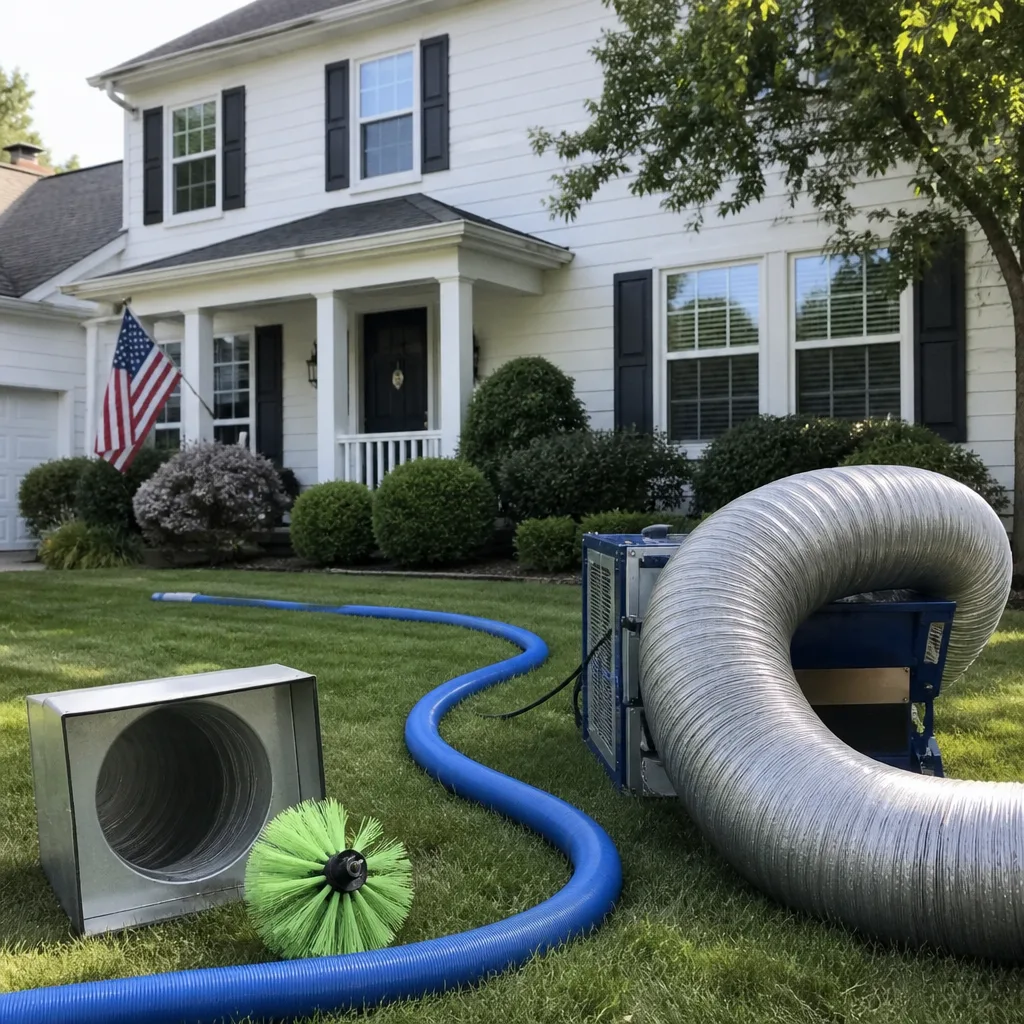
No visual inspection reaches inside a flex run that bends around a corner and disappears into a wall cavity. A camera inspection does, and what it reveals changes the plan. A technician with a contractor-grade camera running end-of-duct footage through a Rotobrush rotary brush system sees the inside surface of the ducts in real time: the ribbing of the flex, the condition of the seams, the exact point where a run has come loose.
What we see in a camera pass that no flashlight can show:
- Sagging flex runs: horizontal runs of flex that droop between hangers collect debris at the low point. The camera shows where that low point is so it can be re-hung, not just cleaned.
- Disconnected collars: the point where a flex duct slipped off its collar is often buried in a chase or under insulation. The camera finds it.
- Crushed sections: a flex run that got stepped on or pinched, restricting its flow to a trickle.
- Moisture staining: dark, discolored patches on the inner duct wall indicate where humidity has condensed inside the system.
- Debris accumulation by location: which runs are worst, and therefore where the cleaning emphasis needs to be.
On a Duct Cleaning Concord call, the camera pass happens before the cleaning so we know what we’re dealing with, and again afterward so the result is visible. Those before-and-after views go into your job record, which is how you verify the work was actually done rather than taking a technician’s word for it.
Crawl Space Humidity and Flex Duct in Older Concord Homes
In older Cabarrus County homes, a lot of ductwork runs through crawl spaces, and Concord’s humid summers turn those crawl spaces into moisture traps. Warm, wet air meets cool flex duct, condenses on the duct’s exterior jacket, and then finds its way inside through a seam, a tear, or a loose collar. Over time, the duct never fully dries between cycles, and the interior becomes a moisture-retaining environment.
What the fix looks like in practice, in order:
- Correct the crawl space moisture source where it’s addressable – drainage, ventilation, vapor barrier. A duct specialist can identify what’s affecting the ducts; a crawl-space or waterproofing specialist handles the envelope.
- Inspect the flex duct interior with a camera pass. This shows the extent of the wetting and whether the duct insulation has been compromised.
- Repair or replace the compromised run. Sections that have stayed damp and show stained interiors are typically replaced, not just cleaned, because a cleaning won’t stop the wetting cycle.
- Re-hang sagging runs so they don’t collect condensate, and seal loose collars so warm crawl-space air can’t enter.
- Clean the remaining system once the moisture source is addressed, so the work isn’t undone by continued wetting.
Homes with historic crawl-space construction along the older corridors of Concord tend to show this most, and the pattern tends to compound: one small unwetted breach lets humid air in, the duct stays damp through summer, and the interior becomes the source of the musty smell you thought was just “an old duct system.” Understanding Concord crawl-space construction is part of what makes this work different from the generic cleaning package sold online.
The Upstairs Hot Room: What a Duct Specialist Checks First
The upstairs bedroom that runs 4°F hotter than the rest of the house during Concord’s summer is the single most common complaint we hear, and it’s the one homeowners most often get wrong answers on. The typical HVAC response is to add refrigerant, adjust the fan speed, or quote a replacement unit. Before any of that, a duct specialist checks the things that mimic an undersized system.
The check, in order:
- Measure upstairs supply airflow at the registers with the hand-and-tissue test. Weak airflow here with strong airflow everywhere else means the upstairs branch has a mechanical problem.
- Inspect the branch run from the air handler to the upstairs trunk with a camera where possible. Collapsed or kinked flex is found this way.
- Check static pressure at the return and supply plenums if access permits. High return static points to a return restriction, not to undersized cooling capacity.
- Inspect the upstairs return path for restrictions. Upstairs rooms with inadequate return air are being starved by an upstream problem.
- Check the duct run’s routing for hot attic exposure. A run that crosses a hot attic without insulation can lose its cooling before it ever reaches the register.
What this usually finds is that the duct run is the bottleneck. A collapsed flex run feeding an upstairs bedroom will make that bedroom hot no matter what equipment is installed downstream, because the cooling capacity never reaches the room. Fixing the run is far cheaper than replacing a functional system, and it’s the kind of repair we handle in-house rather than subcontracting. When a replacement unit is quoted for a room that a duct repair would fix, get the duct diagnosis first.
Dryer Vent Symptoms That Look Like Duct Problems
Dryer vent problems and air duct problems share symptoms, and homeowners often conflate them. Both involve a long duct run and both, when restricted, show up as performance issues. But the dryer vent is a separate system, and a restricted one is a fire hazard, not just an inefficiency.
Symptoms that point at the dryer vent rather than the HVAC duct system:
- The dryer takes much longer to dry a load than it used to, or the load comes out damp at the end.
- The dryer body itself gets noticeably hot during a cycle, or the laundry area feels humid after use.
- The exterior vent flap doesn’t open fully or doesn’t open at all when the dryer runs.
- Lint is visible around the dryer exhaust or behind the appliance.
- The dryer door warms up slowly, and there’s a faint smell of heated lint in the laundry area.
None of those symptoms come from the HVAC duct system; they’re a restriction in the dryer exhaust path. The fix is a dedicated clearing of the vent run, which we offer as a standalone service here at dryer vent cleaning. The dryer vent is the leading cause of residential house fires in the appliance class, so those symptoms are worth treating quickly rather than deferring. The work is done with the same commercial-grade equipment we use for duct cleaning, and the result is a vent run confirmed clear at the exterior termination. If your dryer’s been running a little hotter than usual, that’s a diagnostic worth taking.
Repair or Clean First? How to Sequence the Work
When a duct system has both a cleanliness problem and an integrity problem, sequence matters. Cleaning first and repairing second puts a fresh, dust-free interior behind a breach that will draw in unfiltered air. Repair first and clean second leaves the clean system sealed and delivering filtered air.
The sequence we follow:
- Diagnostic pass first. Camera inspection along with register airflow and static pressure readings. This identifies leaks, disconnections, and the worst-soiled runs.
- Repair the integrity issue. Re-attach collars, re-hang sagging flex, replace compromised runs, and seal the breaches found in the diagnostic pass.
- Clean the full system. Rotobrush rotary brush agitation followed by high-capacity Nikro vacuum extraction on each branch. Abatement Technologies containment gear comes into play if the interior is heavily soiled or damp.
- Verify. Camera pass after cleaning, same view as before, so the result is visible rather than inferred.
Doing this in-house rather than subcontracting each step matters because the same technician who found the problem verifies that it’s fixed. Duct Cleaning Concord focuses entirely on air duct cleaning, dryer vent clearing, and air duct repair; we don’t install HVAC systems or sell filters, so there’s no equipment upsell at the end. Call (888) 687-3361 to schedule a diagnostic pass on your system.
Common Mistakes to Avoid
- Assuming the HVAC unit is undersized before checking the duct run. The upstairs room that runs 4°F hot is far more often a crushed or disconnected branch than an undersized condenser. Get the duct diagnosis before accepting a replacement quote.
- Cleaning before repairing. Cleaning a leaky system leaves the cleaner result exposed to unfiltered crawl-space air within days. Locate and fix integrity issues first.
- Judging cleanliness by smell alone. A duct system can be visibly soiled and odorless, or clear and musty because of moisture. Use register airflow and camera inspection, not just your nose.
- Ignoring filter bypass. A sloppy filter fit on a Honeywell or Aprilaire housing (or a loose builder-grade slot) means a large share of air bypasses the filter entirely. Check the fit, not just the filter’s condition.
- Confusing dryer vent symptoms with duct symptoms. Long dry times and a hot dryer body point to the dryer vent, not the HVAC ducts. Treating the wrong system wastes a service call and defers a fire-safety fix.
- Deferring crawl-space moisture. Duct repair without addressing the crawl space just puts clean, intact ducts back into a wet environment. Fix the moisture source along with the ducts.
- Taking “we cleaned it” on faith. Ask for before-and-after camera footage on your own system. That’s how you verify the work happened and the result is real.
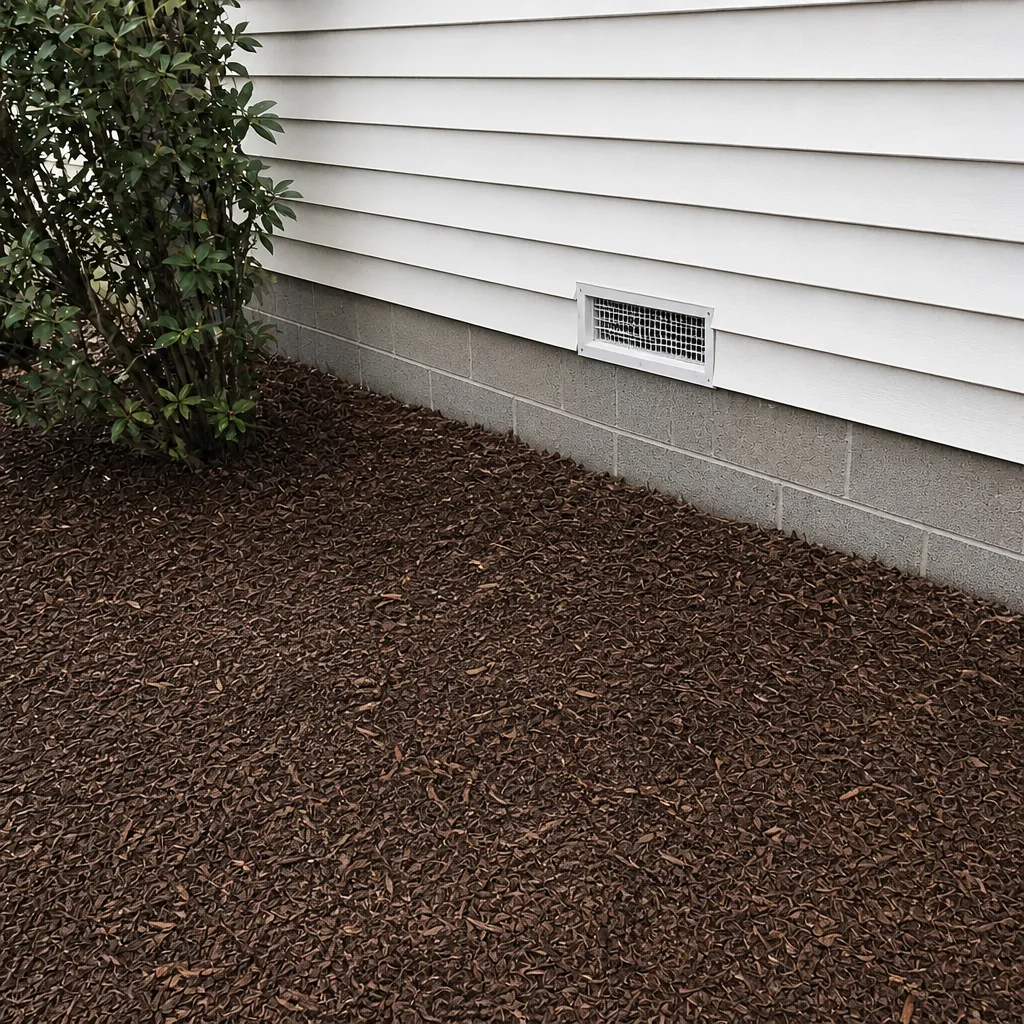
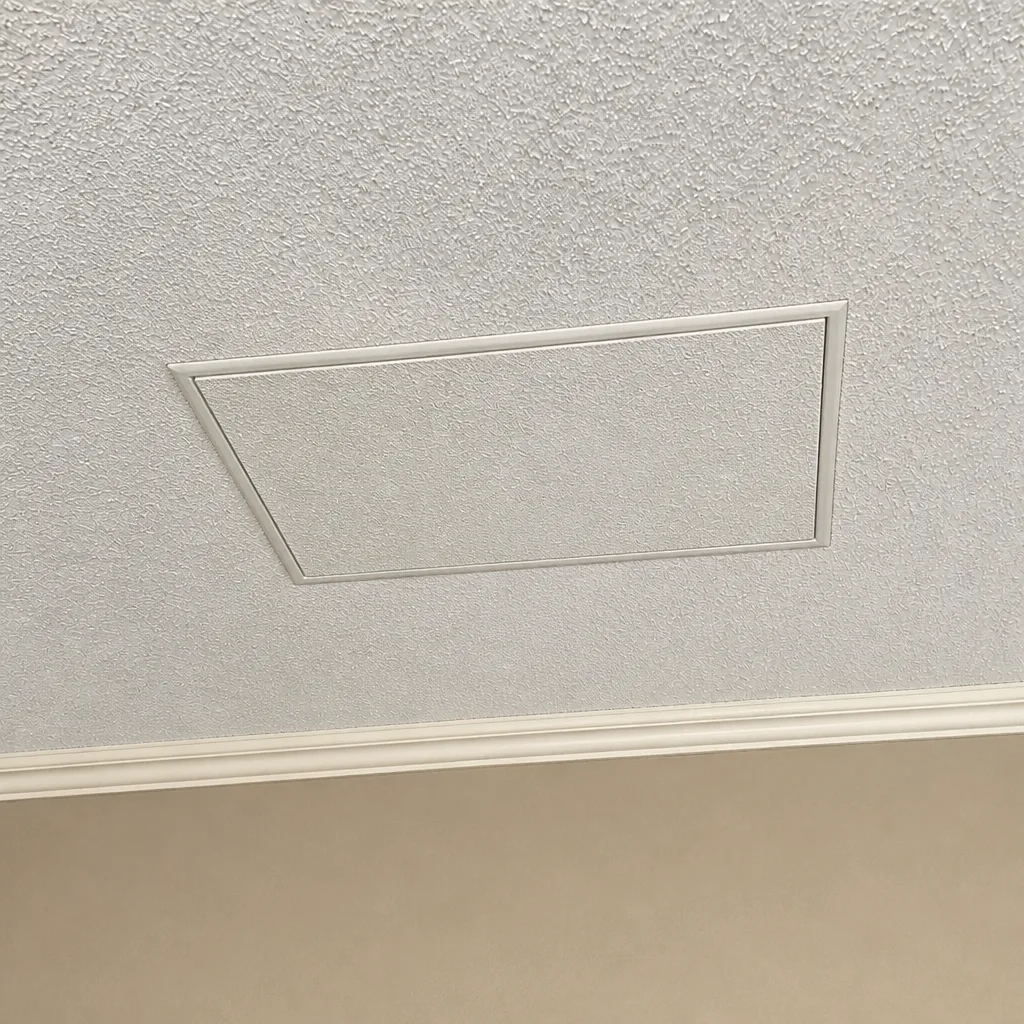
See the difference
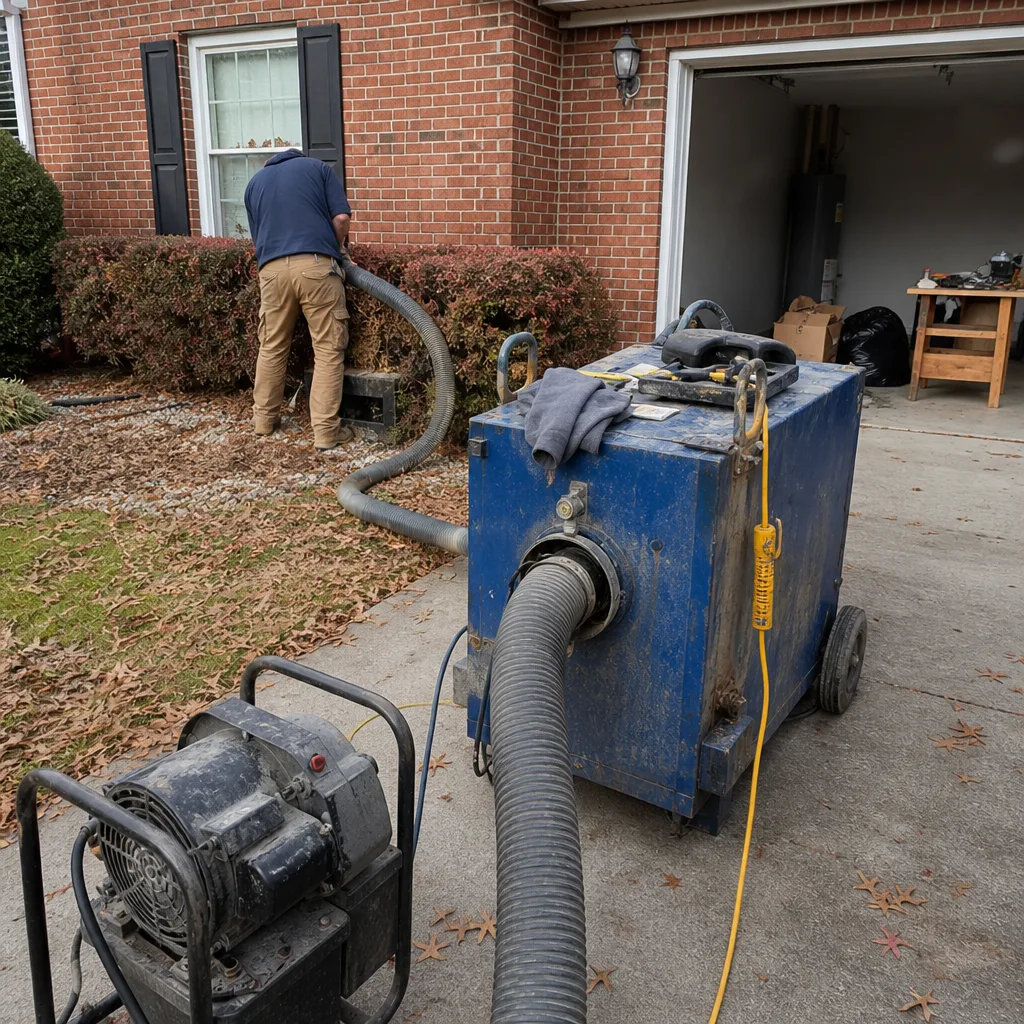 Before
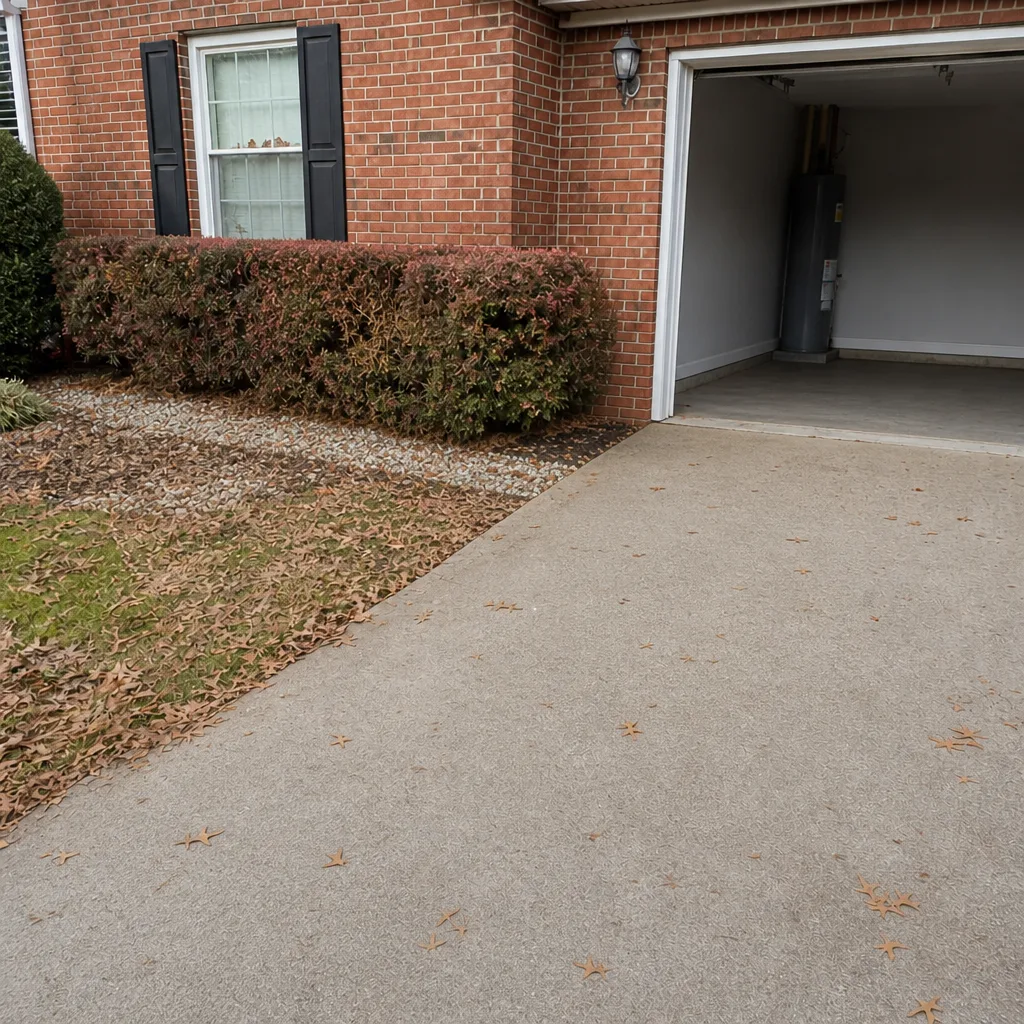 After
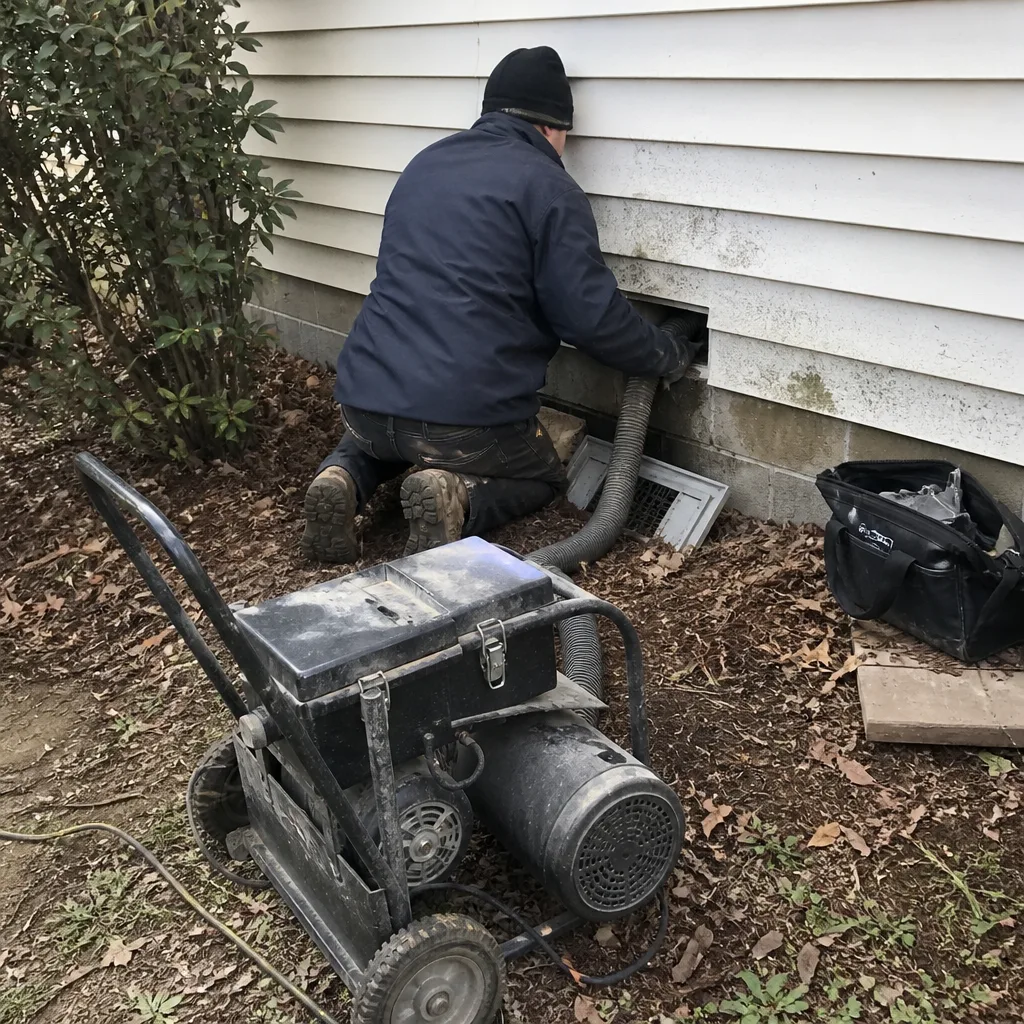 Before
 After
 Before
 After
When to Call a Professional
Call a professional if the register airflow test shows a sharp strong-versus-weak pattern between branches, if a musty smell appears every time the fan starts, or if a room stays dusty within 48 hours of cleaning. Call immediately if your dryer runs long and the machine feels hot to the touch. Use a professional if you can’t see inside the duct runs to check for disconnected flex, or if the system is in a crawl space where the run can’t be traced safely. Diagnosing duct integrity is not a DIY job – flex runs are long, buried in chases, and hidden above ceilings, and the parts you can reach rarely reveal the part that’s failing. Duct Cleaning Concord offers work across the system from a camera pass to repair to a full cleaning. Call (888) 687-3361 to schedule. We answer 24/7, with fast dispatch from 7am to 7pm, Sunday through Friday.
Frequently Asked Questions
Run the register airflow test first: hold your hand and a piece of tissue under each supply register with the fan on. If most registers push strong and a couple pull weak, that’s a branch-line problem and likely needs repair, not cleaning. If all registers push weakly together, the restriction is upstream – at the air handler, plenum, or trunk – and a camera pass will find where. Cleaning alone won’t fix weak airflow from a disconnected or crushed duct. Call (888) 687-3361 to schedule a diagnostic pass.
A musty smell that appears when the fan starts is a moisture problem inside the duct system, usually a microbial colony growing on a section that stays damp. Which vents smell tells you where: smell at every register points upstream to the air handler; smell at one or two rooms points to that branch run. Note the pattern before you call, then call (888) 687-3361. Fixing the moisture source and the compromised duct section is what actually removes the smell.
Dust returning within two days points to either filter bypass or a duct breach. Filter bypass means air is going around the filter instead of through it – a loose or undersized filter slot is the usual cause. A duct breach means air escaping at a leak carries dust into the room. Before doing anything else, check the filter fit and look for dust streaks around the housing. If those are fine, a camera inspection will find the breach. Call (888) 687-3361 for an exact quote on inspection – estimates are free.
It’s most often a duct problem. A collapsed or disconnected flex run feeding an upstairs bedroom restricts airflow so that the room never gets the cooling it needs – no amount of extra refrigerant or a replacement unit will fix that. Before accepting an HVAC replacement quote for a hot upstairs room in Concord, have the branch run inspected. The duct diagnosis is usually cheaper than the unit replacement the room never needed. Call (888) 687-3361.
It’s likely a dryer vent restriction rather than an HVAC duct issue. Long dry times, a dryer body that gets hot to the touch, and an exterior vent flap that doesn’t open fully are the classic signs of a blocked dryer exhaust path. That’s a fire-safety problem worth treating quickly, not deferring. We offer dryer vent clearing as a standalone service – call (888) 687-3361 for a quote.
Ask for before-and-after camera footage on your own duct system. That’s the difference between a cleaning you can verify and one you take on faith. The diagnostic camera pass before cleaning shows the state of each run; the pass after shows the result. If a company can’t show you the inside of your own ducts, the cleanup is unverifiable. Call (888) 687-3361 to schedule a pass and see the footage yourself.
The Bottom Line
Weak airflow, hot upstairs rooms, dust that returns after cleaning, and musty smells when the fan starts are all diagnostic signals, not just annoying symptoms. The register airflow test separates dirty from leaky; the smell pattern points to the colony location; the dust timeline distinguishes filter bypass from duct breach; and the camera pass shows what’s actually inside the run. In Concord, crawl-space humidity adds a moisture angle that changes the repair plan, and the dryer vent belongs in the same troubleshooting conversation because it mimics duct problems but carries a fire risk. Repair before cleaning, verify with camera footage, and don’t accept an HVAC replacement quote before the duct diagnosis. We’ve served Concord since 2013, and we can walk you through the diagnosis.
If you’ve found the symptom and want the fix, call Duct Cleaning Concord at (888) 687-3361 for a free estimate. We clean, we clear, we repair – all with commercial-grade equipment like the Rotobrush rotary brush and Nikro vacuum systems, plus Abatement Technologies containment gear when the job calls for it. Our team understands whole-home air systems, including those built with Duct Cleaning Concord compatibility for Honeywell and Aprilaire setups.
Written by the team at Duct Cleaning Concord, serving Concord since 2013.